Forget the Pleasuredome…Welcome to the Microbiome!
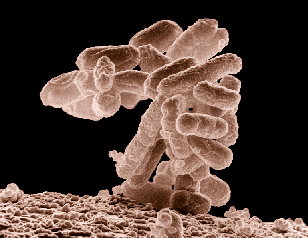
image courtesy of Wikipedia.com
The microbiome is "the complete genetic content of all the microorganisms that typically inhabit a particular environment, especially a site on or in the body, such as the skin or the gastrointestinal tract" (American Heritage® Dictionary of the English Language, 2011). I first heard the term microbiome a few years ago with respect to the Hygiene Hypothesis–basically that our 'cleanliness' was causing the good bacteria in our gut to be wiped out and allowing the bad bacteria to colonize/overgrow. Since then, a slew of journal articles and books have been published about the (gut) microbiome. The latest research has found that sociable animals such as chimps have a more diverse microbiome and there may be healthier microbiomes–this may explain why humans who have strong social connections live longer.
Our microbiome is affected not only by exposure to external sources such as other humans and our environment but also by our diet. Fibre is required to feed the microorganisms in our gut. Recent research indicates that a diet low in fibre may have long lasting effects on not only our microbiome but also those of successive generations. An increase in fibre may not do much to increase diversity of the microbiome. As my colleague Emoke mentioned in a previous post, probiotics are bacteria which help keep the natural balance of organisms in your intestines. Besides taking probiotic supplements, one can eat foods rich in probiotics, such as kefir, yogurt, miso, sauerkraut and kimchi.
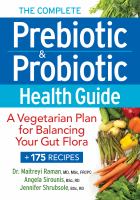
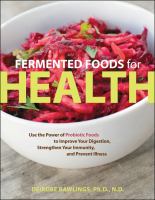
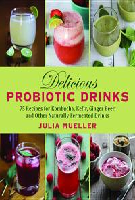
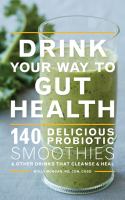
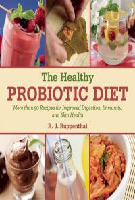
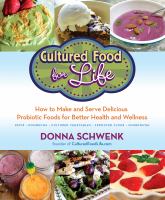
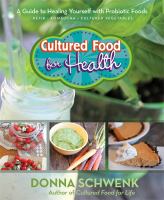
To learn more about the microbiome, probiotics and fermented foods, check these out:
 |
 |
 |
 |
 |
 |
 |
 |
 |
|
 |
 |
Comments