Alternative Medicine — Separating Fact from Fiction
I remember the first time I was ever in a health foods store and looked at bottles of compounds such as Coenzyme Q10 and St. John's Wort Oil, and thought that any claims for these remedies for colds or allergies must be due to the placebo effect. I was similarly skeptical when I saw ads in the window advertising acupuncture as a cure for numerous ailments. However, nowadays, these treatments have become more accepted in the mainstream and information about alternative medicine can be found on authoritative health websites, such as Mayo Clinic.
The National Institutes of Health (NIH) defines alternative medicine as "non-mainstream practice…used in place of conventional medicine." Complementary medicine refers to non-mainstream practices used in conjunction with conventional medicine. When people are sick and conventional treatments are not working, they often seek alternative medicine treatments. But who knows if they are effective or not and more importantly, whether they do more harm than good? To learn more about alternative medicine and its effectiveness, join us for a presentation by Dr. Mel Borins who has examined the current research and written the book, A Doctor's Guide to Alternative Medicine: What Works, What Doesn't and Why.
————————————————
 What: A Doctor's Guide to Alternative Medicine: What Works, What Doesn't, and Why
When: Wednesday, March 2nd at 7 – 8 PM
Where: North York Central Library, in the Auditorium
To register: Call the Science & Technology Department at (416) 395-5649
————————————————
If you can't make it or would like to read ahead on the subject, take a look at the following:
 |
 |
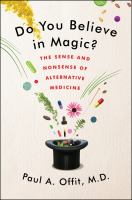 |
 |
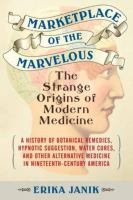 |
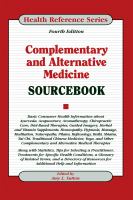 |
Comments