Microfilm steps up as Google News falters
Last week's announcement from Google that it is suspending its five-year-old Google News Archive project shows that long term preservation of materials of historical value, such as newspapers, cannot be trusted only to for-profit organizations like Google.
- The Death of Google News Archive – GenealogyIntime.com
- Google Shuts Down Newspaper Archive Project – The Atlantic
While Google News posted about one million digitized pages from 2,000 newspapers, the company claimed to have scanned 60 million pages, and the fate of this digital trove is now unsure. Meanwhile, digitization by libraries and other non-profit organizations is steadily increasing the volume and range of Canadian newspapers online.
But despite major commercial Canadian newspaper digitization projects such as Toronto Star – Pages of the Past and The Globe and Mail: Canada's Heritage from 1844, both available free with your Toronto Public Library card, it will be many years until the majority of papers are scanned and online. Local papers covering a town or neighbourhood are far less likely to be digitized, and many may never get online even though they are critical resources for historians and genealogists.
This is where microfilm and microfiche step in. Far from a dead format, microfilm remains an extremely stable, reliable, long lasting and easily accessed medium for newspapers and many other kinds of publications, including magazines and a huge range of genealogical records such as Canadian censuses and city directories. North York Central Library holds a large range of materials on microfilm, with just a few examples shown below:
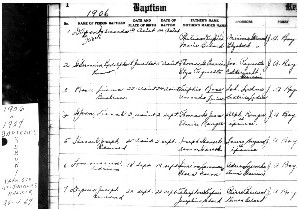
|
Vital Statistics: births, marriages, and |
| Censuses of Canada 1851-1911 | 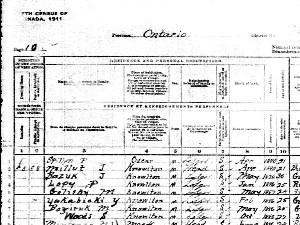
|
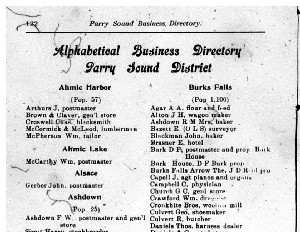 |
City and town directories |
| Local newspapers | 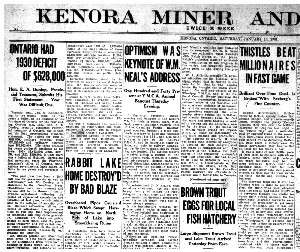 |
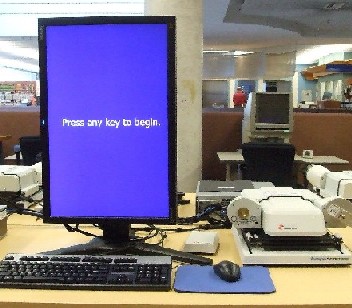 All of North York Central's microfilm collections can be viewed, printed, and digitally scanned on 8 modern ScanPro 1000 machines located mainly on the 6th floor (Canadiana). Equipped with large 27-inch monitors, the ScanPros are connected to desktop computers and can scan electronic images onto a USB memory stick in popular formats such as PDF, JPEG or TIFF. Printing is available for a fee of 15 cents per page.
Or, bring in your own microfilmed materials, such as business documents issued by the Ontario government on microfiche. Using a ScanPro, you can make paper prints or digital scans in no time.
Toronto Reference Library also has 8 ScanPro machines and extensive collections on microfilm and microfiche.
One thought on “Microfilm steps up as Google News falters”
Thanks for the interesting post and the heads up about the Google archive. I managed to find my paren’ts’ wedding announcement in 1941! Also it makes me think of the fate of the newspaper archive at the Slave Lake Library which disappeared with the rest of the library and other buildings.