Great popular science books: the new and the “new-ish”
The Royal Society Winton Prize for Science Books celebrates outstanding popular science books published in English. I find the books nominated for this award are always informative, engaging and well-written – in other words, great popular science reads.
The award for 2014 was announced on November 10. The winning book is:
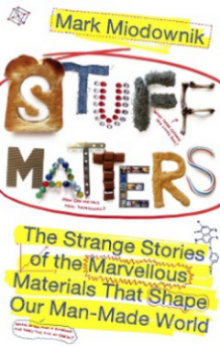
Stuff Matters by Mark Miodownik, available in book and eAudiobook formats
When Miodownik was a student, he was mugged by someone armed with a razor blade. He was amazed that a slender piece of steel could inflict so much damage. Filing a police report later, he started thinking about the staple that held the forms together. How could a substance – steel – hard enough to cut through five layers of clothing and leave him with a 13 cm stab wound also be capable of bending like a staple or a paper clip?
So began a lifelong fascination. Miodownik is now a professor of materials science, and in this book he devotes a chapter to each of 10 materials – including steel and concrete, glass and paper, carbon and even chocolate – revealing the extraordinary properties of everyday substances.
The Winton Prize judges from The Royal Society said: "This brilliantly written book is a fresh take on material science that makes even the most everyday stuff exciting and interesting. It demonstrates just how creative and ingenious the human mind can be in its ability to incorporate them into our lives.”
The other shortlisted titles were:
 |
 |
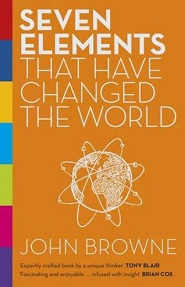 |
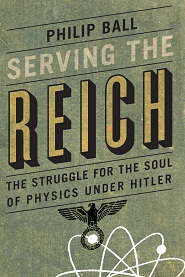
| How three leading German Nazi era scientists dealt with the moral complexities of serving the reich. | Iron, carbon, gold, silver, uranium, titanium and silicon – in case you were wondering. | |
 |
 |
|
|
A history of the disease and the status of current research from a deeply personal perspective. |
The drama and personalities behind the theory of general relativity. |
This month in the Science & Technology Department we have a display featuring "new-ish" items from our collection. We want to draw people's attention to some of the excellent popular science books published in the past couple of years which might not otherwise attract the attention – and readers – they deserve.
Here are some suggestions, including some recent Winton nominees, in case you can't make it in to choose something from the display:
 |
 |
 |
|
An engaging look at plant biology from a garden-loving science writer. Her enthusiasism is infectious. |
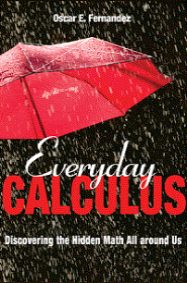
Short essays about the place of death in the natural order of things. The author shares stories and insights from his life on a farm. Witty and moving. | An engaging look at how math underlies much of our lives-from planning a daily commute to finding the best seat in the movie theatre. |
 |
 |
 |
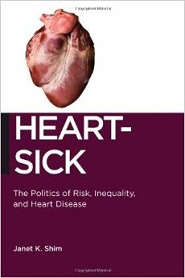
| Using the example of heart disease, the author examines the biases that can undermine health research and epidemiology. |
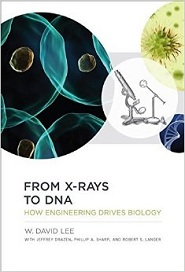
Scientific breakthroughs from pasteurization to DNA analysis would not have been possible without engineering advances that preceded them. |
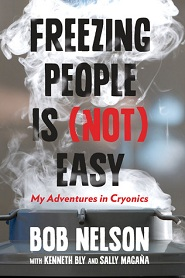
Nelson became fascinated with cryonics in the 1960s. His organization froze clients after they died, promising to revive them when medical advances could cure their ailments. It did not end well. |
 |
 |
 |
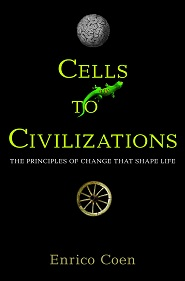
| A provocative look at how transformation is common to all life forms. The author discusses the shared processes in four life transformations – evolution, development, learning and culture. |
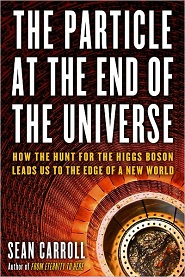
book and talking book Physicist Sean Carroll's award-winning account of the science and the politics of the search for the Higgs boson. |
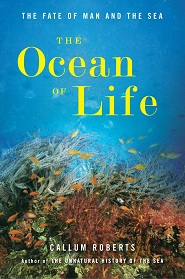
book and eAudiobook Examines the complex relationship and the interdependence between humans and oceans. |
Comments