The Warsaw Ghetto Uprising, April 19-May 16, 1943

70 years ago, on April 19, 1943, the Nazi occupiers of Warsaw, Poland, planned to liquidate the remaining inhabitants of the Jewish ghetto they had created in that city. But those inhabitants rose up in organized resistance, and despite the far superior German numbers and weaponry, held out for almost a month, until May 16.
This year, the Museum of the History of the Polish Jews opened in Warsaw, to commemorate the uprising, and to remember the long history of the Jewish people in Poland. The Polish Jewish community was the oldest and largest in Europe at the start of World War II, with over 3 million members. Today, after the Holocaust and the upheavals of post-war Europe, there are approximately 20,000 Jews living in Poland.



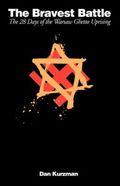
The Toronto Reference Library has books and memoirs on the ghetto uprising and the Jews of Poland in English, French and Polish. The Bravest Battle: the twenty-eight days of the Warsaw Ghetto uprising, provides a day-by-day account of the uprising, portraying the experiences of Jewish fighters and ghetto residents, Polish underground fighters, and their Nazi tormentors.
In The Jews of Warsaw: 1939-1943: ghetto, underground, revolt, resistance fighter and survivor Israel Gutman drew upon huge amounts of archival material to write a comprehensive history of the ghetto from beginning to end. Warsaw Ghetto: a guide to the perished city, is a masterwork by two Polish historians drawing on archives in Poland, Germany, Israel, and the United States. Notes from the Warsaw Ghetto is by Emmanuel Ringelblum, chronicler of
the Warsaw Ghetto. He and his friends collected detailed information and
buried their archive before the final destruction.
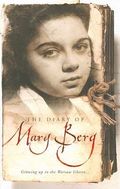
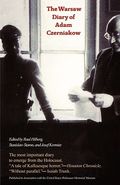

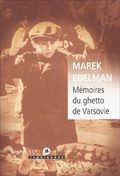
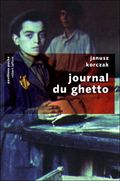
Mary Berg was one of several dozen American Jews imprisoned in the Warsaw Ghetto. Thanks to her mother’s American citizenship, she and her family were allowed to leave for the United States. Her diary records the horrors of the ghetto and the agonizing months spent waiting for return to the USA. Adam Czerniakov, chairman of the Warsaw Ghetto’s Jewish Council, tried for two years to soften the Nazis’ blows against the Jews of Warsaw. He committed suicide in protest against the deportation of the ghetto’s children, and his wartime journals are reproduced in The Warsaw diary of Adam Czerniakov: prelude to doom. The Pianist, which became an award winning film by Roman Polanski in 2007, is the memoir of Władysław Szpilman, a celebrated musician who survived the ghetto and its destruction. See also books by Marek Edelman, Janusz Korczak, and Pawel Szapiro .
Comments