From The Guardian: The Top Ten Books About Disabilities?
In the Books Blog of the British national newspaper The Guardian, Paul Wilson states that "despite literature's fervour to explore the far reaches of human experience, disability is for the most part disregarded, or at least pushed to the margins. Disabled protagonists are few and far between".
In his post he presents his choices for the top ten books on disability (including non-fiction). All are available at TPL; many are available in multiple formats.
Here are his top three picks:
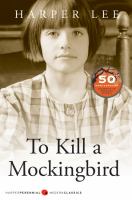 |
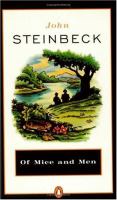 |
|
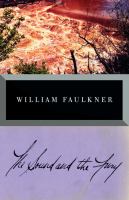
Other books he recommends are:
Moby-Dick, or The Whale by Herman Melville
The Curious Incident of the Dog in the Night-time by Mark Haddon
The Secret Garden by Frances Hodgson Burnett
The First Man by Albert Camus
The Giant's House by Elizabeth McCracken
A Son of the Circus by John Irving
Far From the Tree (non-fiction) by Andrew Solomon
Here's a later post on the Books Blog in which the blogger, this time playwrite Kaite O'Reilly, calls Wilson's list "a missed opportunity".
She notes that "one of the slogans of the disability rights movement is "Nothing About Us Without Us" – and there was very little "us" in last week's selection". She suggests a number of books that should have been included.
Some of the books she mentions are also at TPL. Here they are:
Scapegoat: How We Are Failing Disabled People by Katharine Quarmby
Poppy Shakespeare by Clare Allan
Look Me In the Eye: My Life With Asperger's by John Elder Robison
Born On A Blue Day: A Memoir of Asperger's And An Extraordinary Mind by Daniel Tammet
Animals In Translation by Temple Grandin
Dam-burst Of Dreams by Christopher Nolan
Mean Little Deaf Queer: A Memoir by Terry Galloway
Beauty Is A Verb: The New Poetry Of Disability edited by Jennifer Bartlett, Michael Northen and Sheila Black
What books would you include?
|
|
|
|
|
|
2 thoughts on “From The Guardian: The Top Ten Books About Disabilities?”
I recently read (from Toronto Public Library, of course) Good King Bad King by Susan Nussbaum. The writing and characterization were excellent. It does contain crudity and some swearing but it suits the context. It would appeal to teens and adults.
Thanks for the suggestion, Denise!
Margaret