Reading Toronto: The Scarborough Bluffs
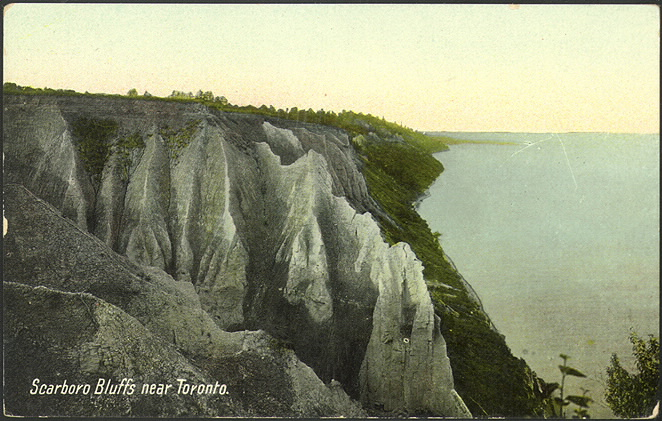
The Scarborough Bluffs are one of Toronto's most beautiful natural features. Created from layers of sand and clay that were deposited during the last ice age, some 70,000 years ago, the Bluffs have been eroding steadily ever since. (So much so, in fact, that erosion from the Bluffs travelled westward and settled to form the Toronto Islands.)
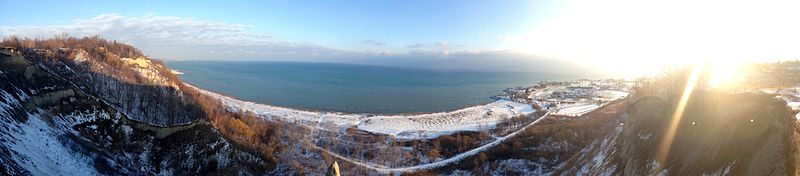
Today, the Bluffs span 15 km (9 mi) of the city's eastern waterfront and rise more than 90 metres (300 ft) above Lake Ontario. Imagine the things those Bluffs have seen, the stories they could tell…
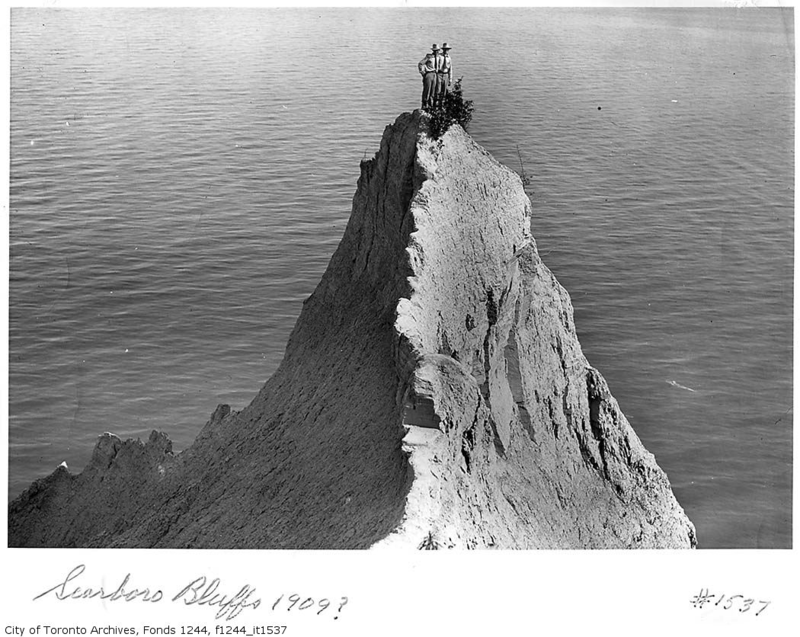
If you haven't been to the Bluffs in a while (or ever) there is a terrific opportunity to explore them this weekend as part of Jane's Walk. Jane's Walk is a series of free pedestrian events led by volunteers in cities around the world and is named for Toronto's own urban visionary and activist Jane Jacobs. This year there are are two guided walks featuring the Bluffs:
- Saturday May 3, 2 pm – A Stroll Along the Shore: Join M. Jane Fairburn, Karin Eaton, and Marie Belanger on an historical journey inspired by Fairburn's book Along the Shore: Rediscovering Toronto's Waterfront Heritage (ebook) that includes a stop near the top of the Bluffs.
- Sunday May 4, 10 am- The Scarborough Bluffs: Join Lucille Yates for a walk through several parks en route to the bottom of the Bluffs, along the lakeshore, then up the steep hill back to the top.
If you're more of an armchair traveller you may prefer to borrow a book about the Scarborough Bluffs from the library. Here is a selection of fiction and non-fiction books in which the Bluffs make an appearance:
Soucouyant by David Chariandy

"She has become an old woman. She looks out from the doorway of her own home but seems puzzled by the scene, the bruised evening sky and the crab scurry of leaves on the shoreline below. These are the bluffs at the lakeside edge of Scarborough. This is the season named fall."
Writing Home by Barry Dempster
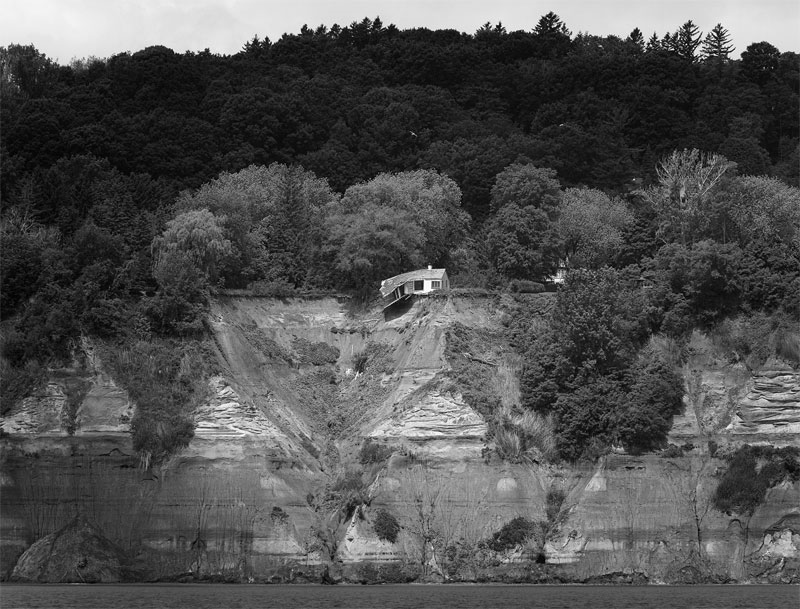
 “Walt is looking down now, across the shadowy backyard. A moonbeam perches on the edge of the Scarborough Bluffs as if it were a floodlight. He too is perched on the edge of his life, a bright man beginning to fade. There is only a backyard between himself and the Bluffs. Almost nowhere left to go. Considering erosion and gravity, it will be no time at all before this very house stumbles on its own foundation, falling over a moonbeam into the great devouring lake below. Shivering, Walt wraps his arms around himself, feeling sharp and empty. The palms of his hands long for something to grasp: a chimney, a ladder, a child.”
FICTION print reference
Mrs. Simcoe's Diary by Elizabeth Simcoe

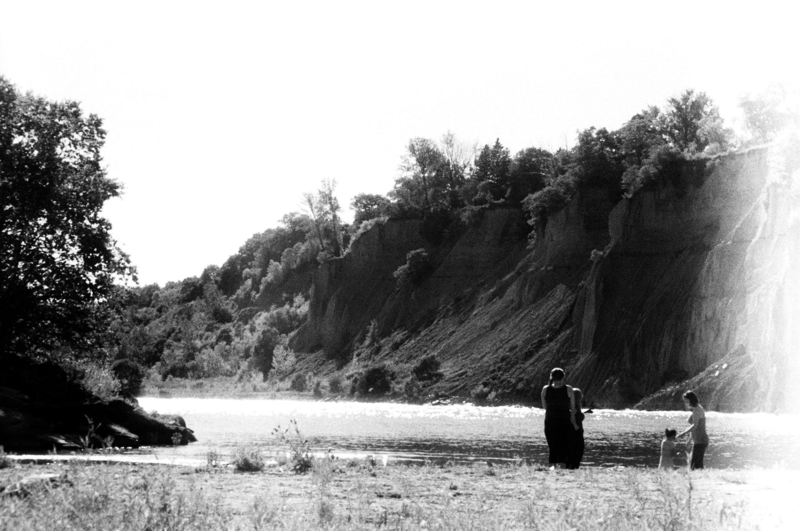
"Sunday August 4th 1793…It was not much larger than a Canoe but we ventured into it & after rowing a mile we came within sight of what is named in the map the high lands of Toronto [now Scarborough Bluffs]. The Shore is extremely bold & has the appearance of Chalk Cliffs but I believe they are only white Sand. They appeared so well that we talked of building a summer Residence there & calling it Scarborough."
NON-FICTION print
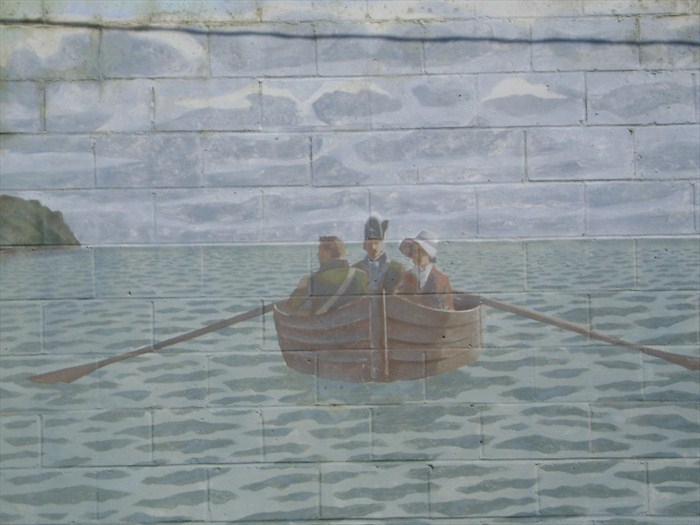
A History of Scarborough edited by Robert R. Bonis
“Accordingly, shortly thereafter the name of Glasgow, which had been assigned to the township east of Toronto when it was first laid out by Surveyor Augustus Jones in 1791, was discarded… On August 27th [that township], with the great gray cliffs like those of the English Yorkshire town, henceforth became Scarborough.”
Along the Shore: Rediscovering Toronto's Waterfront Heritage by M. Jane Fairburn
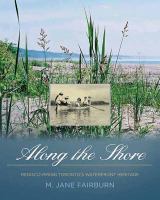 From the introduction: "While running high above the lake on a frigid midwinter afternoon, I slipped on black ice on the first step down to the Scarborough Bluffs, an extremely steep incline known locally as Killer Hill. Below the hill, the Scarborough Bluffs plunge to the water some 250 feet below. As I lay there stranded, my cries were blown away by the gusts of wind that swirled around me. With my right ankle hanging from my leg at an unnatural angle, I could do nothing but wait to be discovered. Far below me the ice fog swirled along the surface of the lake, weaving its intricate patterns over the grim grey water. Despite being on the outskirts of Canada's most densely populated city, it seemed as though I had tumbled into a wilderness that remained raw and uncivilized. It was a lake I had never known."
Comments