In a FLAP about migratory birds, glass buildings and green architecture
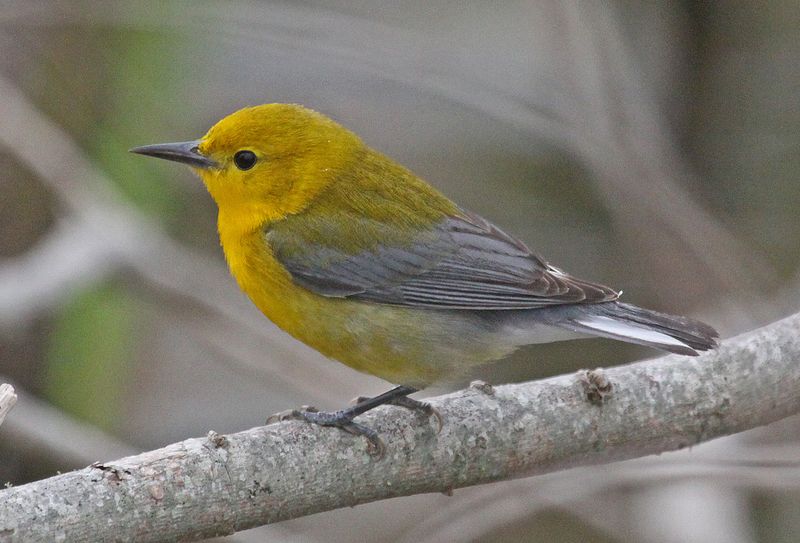
It’s September in Toronto, and we’re approaching the peak period of fall migration when thousands of birds will pass through the city en route to their winter homes.
Living near High Park, I’m constantly aware of birds – their songs, their habits, their comings and goings through the seasons. Every fall, avid birders gather on Hawk Hill with their scopes and long-lensed cameras to catch glimpses of the raptors that cross high over the park. The city has many other bird-watching locations.
Many of us have seen the breathtaking film, 'Winged Migration'.
Fall means extra work for the volunteers of Toronto's FLAP (Fatal Light Awareness Program). They go out in the early morning to search for birds that have collided with office towers downtown at night, and hopefully find living birds that can be cared for and released.
This group is dedicated to the promotion of bird friendly buildings, emergency bird-rescue, education and collaboration with designers, architects, builders, and civic developers in order to address the prevention of bird/building collision, a leading cause of the death of migratory songbirds. The statistics are staggering – hundreds of millions of birds die across North America every year.
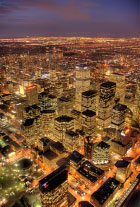
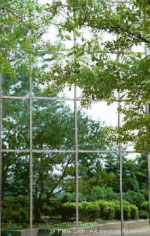
(Photo: FLAP) (Photo: FLAP)
Night-time lights confuse and disorient migrating birds which often fly through cities at night. They use valuable energy and time trying to navigate through the maze of brightly lit high-rise towers and often don’t have the strength to continue.
In the daytime, reflections of trees outside, plants indoors, or visual pathways through connecting walls of glass, all look real to birds, which will fly into the glass at full speed.
Glass, of course, has been an integral part of architectural design for centuries. Modern buildings use it in extremely creative and innovative ways.


Some architects and designers are beginning to address the bird/building concern. Reading about the possible solutions is encouraging. A recent piece by Christopher Hume, about the new George Brown College campus on Toronto’s waterfront, mentions the use of bird friendly glass.
The City of Toronto is a leader in setting bird friendly development guidelines and The American Bird Conservancy has published 'Bird Friendly Building Design'. These provide detailed options for architects, designers, developers, building managers and home owners who want to make existing or new buildings less dangerous for migrating birds. Other cities have adopted similar guidelines, most recently San Francisco.
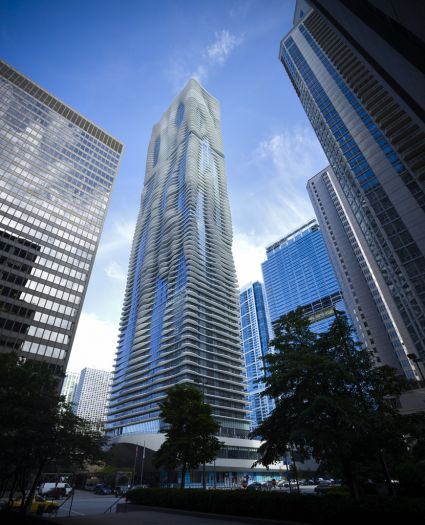
In Chicago, Studio Gang Architects' Aqua Tower was deliberately designed to reduce the risk to birds.
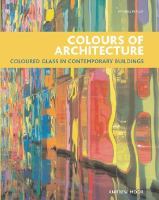
Modern green, or eco architecture is innovative, beautiful, ethical and sustainable. This sampling of books from the library's collection is only a fraction of the new publications addressing the topic.
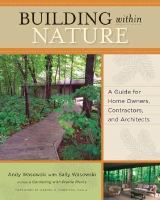
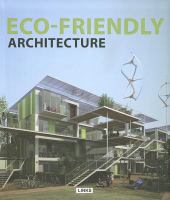
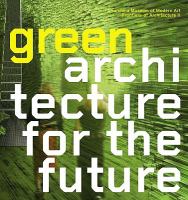
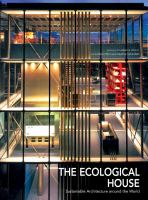
The irony, of course, is that the appreciation of natural beauty and environmental sensibilities that inspires these buildings can also be a threat to the creatures that we prize and are trying to protect. The challenge facing architects who design glass houses, towers, and condominiums and those who live and work in them, is how to preserve the natural beauty that we enjoy as we look outside.
One thought on “In a FLAP about migratory birds, glass buildings and green architecture”
We get calls to repair glass because of birds – the more reflective, the more confused they get.