Why pay $37 Million for a Gerhard Richter painting when you can see them at Toronto Public Library for free?
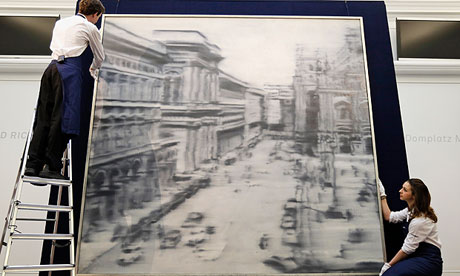
Gerhard Richter's painting of Milan's Piazza del Duomo (Cathedral Square) just sold for $37.1m on Tuesday May 14, 2013, setting a new world auction record for a living artist.
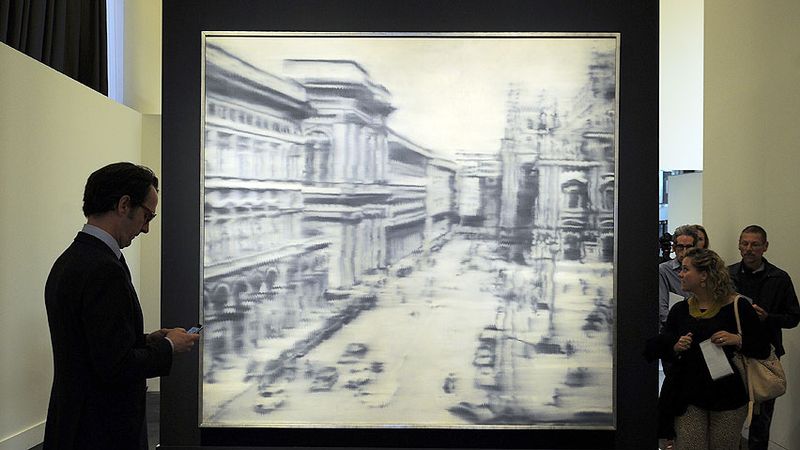
Visitors take in Gerhard Richter's Domplatz, Mainland during a Sotheby's preview. The large-scale 1968 oil painting set a new auction record when it sold for $37.1 million US. (Emmanuel Dunand/AFP/Getty Images).
At almost 3 metres by 3 metres, Domplatz, Mailand from 1968 is one of the German artist's biggest works. It has the characteristic smudged slightly out of focus look of his early works – reminding one of a somewhat fuzzy black-and-white photograph. To those who know his work it's very recognizable as his style.
The previous record was set in October of 2012 when another large abstract Gerhard Richter painting sold for $34 million (US funds) at a Sotheby's auction in London (it was owned by Eric Clapton!).
My Grandmother used to say of abstract art "Coco (her pet monkey) could do better" …. but that's just her opinion (in all fairness though Coco was very creative).
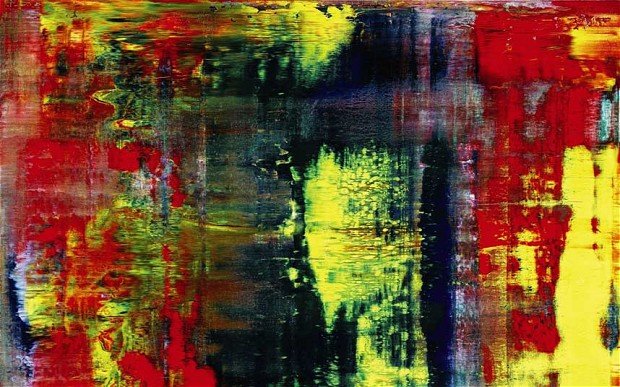
Clapton is an astute collector as he only paid $3.4 million for it in 2001.


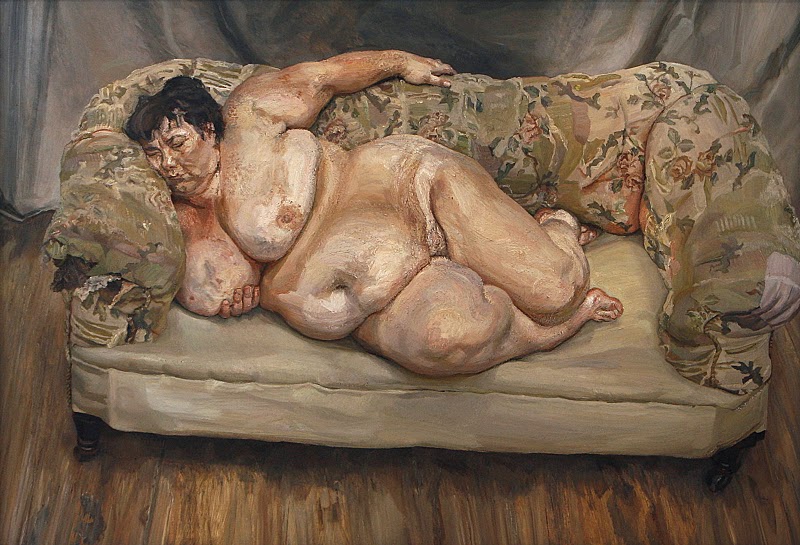
Richter has surpassed Lucian Freud, who had held the record for the highest price paid for a work of art by a living artist, with the 2008 auction of "Benefits Supervisor Sleeping" which sold for $33.6 million.
But why pay $37 or $34 million when you can come to Toronto Public Library and see his art for free — well to be completely accurate – books on his art.
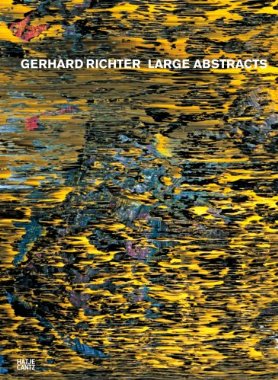
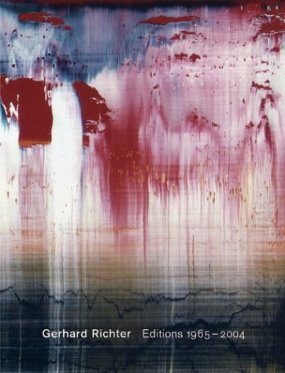
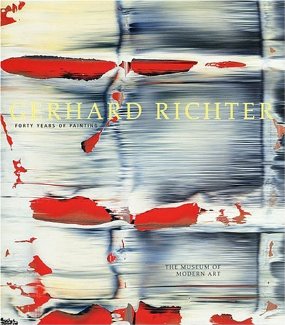
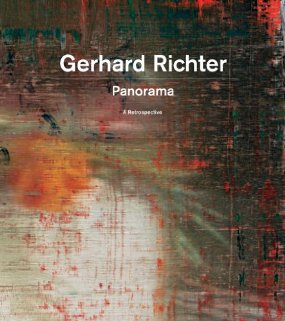
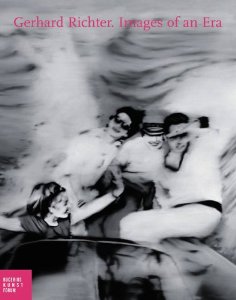
Gerhard Richter - images of an era:
This volume presents and describes 50 of the artist's works with essays by leading Richter experts. It also includes personal testimonials in previously unpublished letters as well as a conversation between Gerhard Richter and Richter expert Uwe Schneede. This book provides new insight into the complexity of Richter's imagery in which banality and evil confront one another: the dreams and aspirations of the times, fast cars and new travel possibilities; personal memories; the oppressive past; contemporary politics; and both trivial and meaningful everyday objects. The cycle 18 Oktober 1977 (1988), which deals with the death of members of the Red Army Faction ('Baader-Meinhof gang') plays an important role in our understanding of the evocative power of these pictures from the 1960s. Richter's intense preoccupation with this event concludes this group of paintings from photographs. This cycle, which was loaned to the Bucerius Kunst forum in Hamburg by the New York Museum of Modern Art, has led to a new interpretation and positioning of Richter's work.
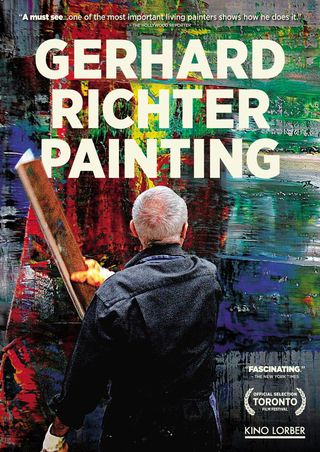
You may also be interested in this DVD on Gerhard Richter.
You may also be interested in this interview with Gerhard Richter:
6 thoughts on “Why pay $37 Million for a Gerhard Richter painting when you can see them at Toronto Public Library for free?”
Sadly, the documentary is a crashing bore.
I’m puzzled by this comment.
It’s called “Gerhard Richter Painting”, and it shows the artist painting in his studio.
It’s interesting if you want to follow the actual making of his work, how he considers his paintings and how they evolve.
Bill,
Richter is a pretty good painter.
Unfortunately, the system (art speculators and their moneyed ilk) have made him nothing but a whore of the system. How can one enjoy one of his paintings for itself when you know there is a $35 million tag attached to it. This side of the art world sucks. (see Robert Hughes’
The Mona Lisa Curse for an expose on this whole sick world – unfortunately it’s not available commercially but you can catch snippets of it on youtube).
Thanks Ted K. for your comments and the information about Robert Hughes’ documentary – “The Mona Lisa Curse”
Here’s a link to it:
http://www.filmsforaction.org/watch/the_mona_lisa_curse_2008/
Enjoy!
Bill V.
The colorful abstract paintings are simply Hubert Roestenburg paintings (almost abstract landscapes) taken to it’s natural end-destination.
Hubert Roestenburg, last surviving German Expressionist, is to German Expressionism what Monet was to Impressionism. A perfect book-end to an art movement.