Cuba Libre . . .

December 7, 2016 | Bill V. | Comments (0)

I was struck by the death of Fidel Castro, in particular the contrast on the news between the celebratory street parties in Miami and elsewhere in the United States, and the mourning (as well as relief or even indifference) happening in Cuba. 
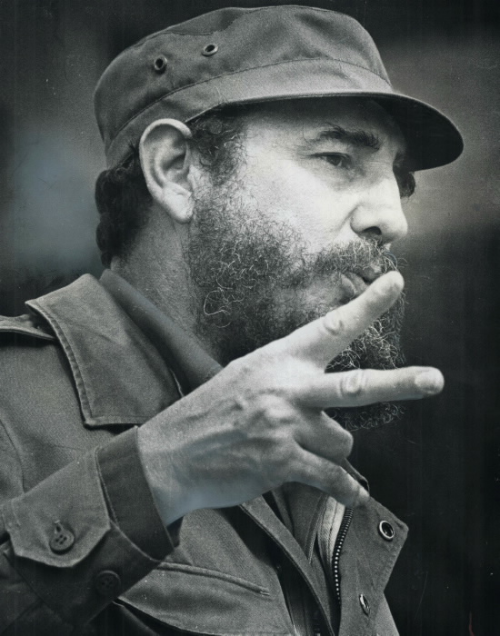
Fidel Castro photo 1976 from the Toronto Star Archives

I suspect there are many Canadians like me who only have a very superficial experience or knowledge of Cuba. I am mildly embarrassed to note that I have been to Cuba several times as a tourist at all-inclusive resorts, but I never made it to Havana, any other urban centre nor the countryside. I do have a faint memory from school of a daring Pierre Trudeau visiting Cuba in the 1970s (similar to his visit to China).

So, if you're interested in knowing more about Fidel Castro and Cuba, I hope the following autobiographical and personal writings of Castro may be of some interest.
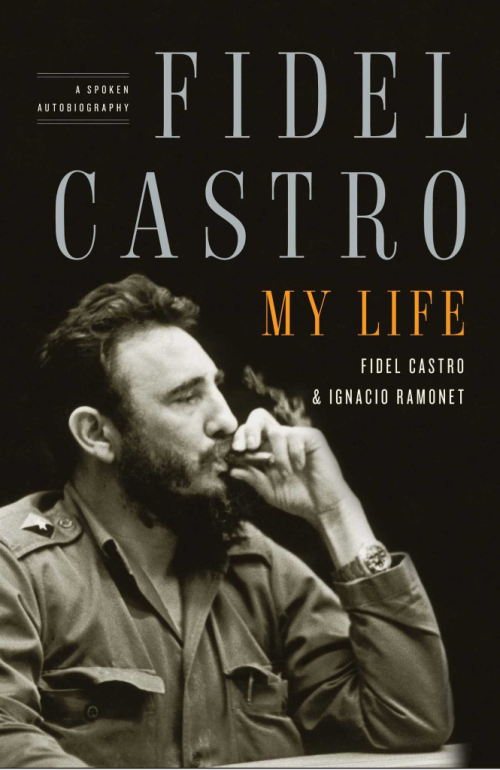
Fidel Castro  My Life  A Spoken Autobiography


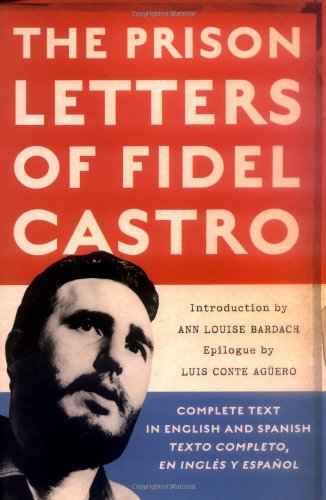
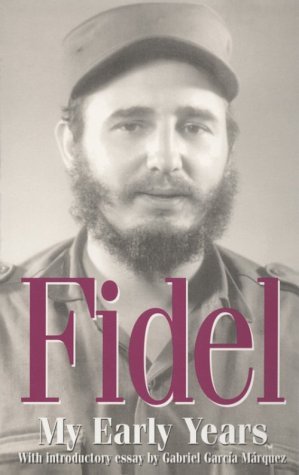
 My Early Years by Fidel Castro   The Prison Letters of Fidel Castro

Castro was well known for the hours-long speeches he used to give to hundreds of thousands of Cubans — the scale of that is suggested by the photo below.
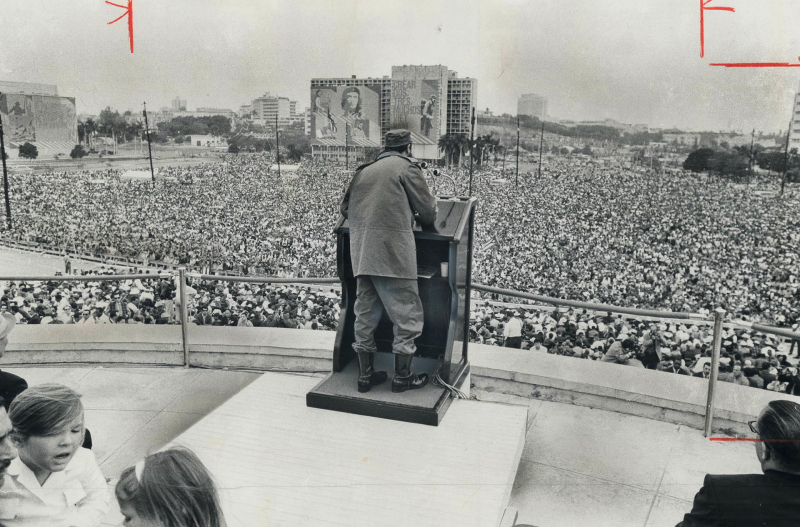
1969 photo of Castro addressing a crowd of 600,000 Cubans in Havana on the 10th anniversary of the revolution.

1969 Toronto Star Archives photo of Castro addressing a crowd of 600,000 Cubans in Havana on the 10th anniversary of the revolution.

In addition to the huge crowds, notice the huge Che Guevara artwork on the buildings in the background. Who of us didn't date (or have a secret crush on) someone who had a large Che poster on their dorm walls?
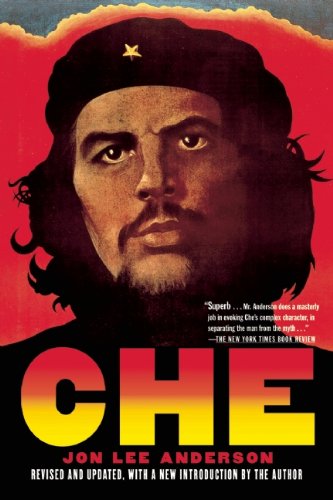
Che Guevara A Revolutionary Life by Jon Lee Anderson


If you're interested in Che, try some of these books:


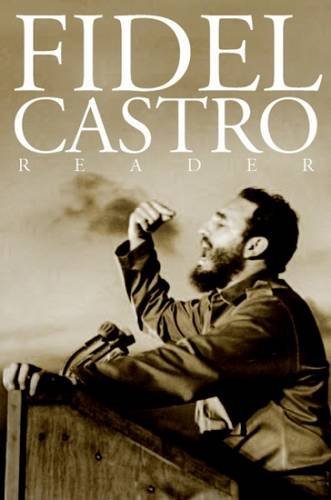
Fidel Castro Reader
   

Surprisingly, there are not a lot of biographies about Castro. Below are some suggested titles:

Fidel Castro  a biography by Volker Skierka

And we also have documentary DVDs about Fidel Castro:
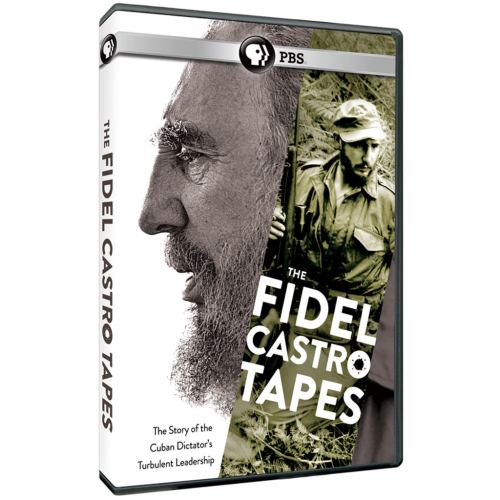
Fidel Castro Tapes PBS documentary DVD In 1959, Fidel Castro rose to power in Cuba. He has been one of the most controversial figures in the world ever since. This chronicles the Cuban leader's ability to maintain control through ongoing tumult in his country, and in his dealings with the United States and the rest of the world.


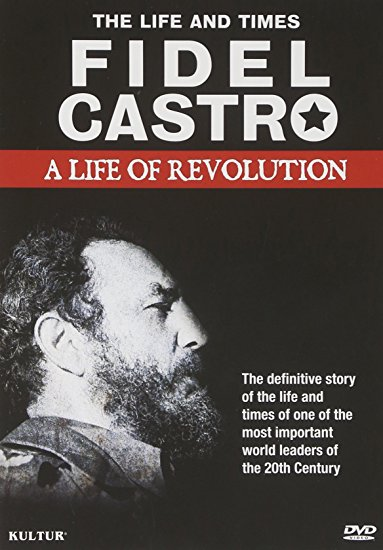
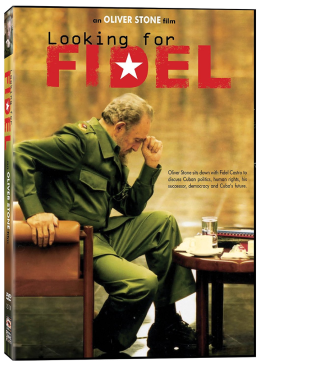
  Fidel Castro A Life of Revolution DVD CBC doc zone This documentary presents a deeply personal account of Fidel Castro, Cuba’s long-time leader, taken largely from private letters, correspondence, speeches and interviews. Featured interviews include some of Castro’s closest relatives (including his sister Juanita), friends and confidants, some of who now count themselves among his enemies. Exclusive footage of Castro’s childhood home and his rebel headquarters in the Sierra Maestra Mountains is complimented by classic archive footage, including CBC interviews with Castro when he was the most wanted man in Cuba  Looking for Fidel DVD by Oliver Stone In April of 2003, Oliver Stone returned to Cuba to interview Fidel Castro and ask the hard-hitting questions that Castro has avoided. Included is the provocative conversations between Stone and Castro in which the Cuban leader offers his views about the state of the world, President Bush, the war in Iraq, and other major international issues. Stone's in-depth, tough but fair portrait of this highly controversial world leader helps to illuminate Cuba's unique and complicated place in the world.

 
If you are more interested in Cuban history and culture as a whole, you may want to read some of these:

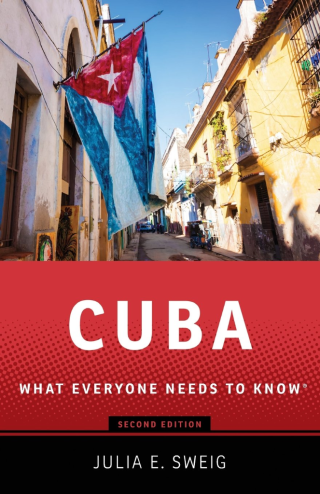
 The Cuba Wars Fidel Castro, the United States, and the Next Revolution - On the fiftieth anniversary of the Cuban Revolution, expert Daniel Erikson explores the twilight of the Castro era and what the future has in store for America's last Cold War enemy.  January 1, 2009 will mark a half century for a Cuban regime created and shaped by the powerful will of Fidel Castro--but the ailing leader may be gone from the scene before the anniversary arrives. The Cuba Wars explores the two crucial questions of the coming era: When Castro dies, what will happen in Cuba? And what will happen in America?  There are few international relationships that rival in intimacy, passion, and sheer tension that between the Cuba and the United States. In The Cuba Wars, Cuba expert Daniel Erikson draws on extensive visits to Cuba and conversations with both government officials and opposition leaders--plus the key players in Washington and Florida--to offer an unmatched portrait of a small country with very large importance to America.  Cuba remains "our last Cold War enemy"--now closely allied to Hugo Chavez's Venezuela as it once was to the USSR. Yet it has quietly become a major trade partner for American agribusiness. The "next revolution" there could see Cuba become a multibillion-dollar capitalist economy--or continue as a socialist dystopia, or lapse into civil war. The Cuba Wars is the book to read to understand the present and future of Cuba.  Cuba What Everyone needs to Know -3rd edition - Ever since Fidel Castro assumed power in Cuba in 1959, Americans have obsessed about the nation ninety miles south of the Florida Keys. America's fixation on the tropical socialist republic has only grown over the years, fueled in part by successive waves of Cuban immigration and Castro's larger-than-life persona. Cubans are now a major ethnic group in Florida, and the exile community is so powerful that every American president has curried favor with it. But what do most Americans really know about Cuba itself? In this third edition of the widely hailed Cuba: What Everyone Needs to Know(r), Julia Sweig updates her concise and remarkably accessible portrait of the small island nation. This edition contains a new foreword that discusses developments since Obama and Raul Castro announced the normalization of US-Cuba relations and restored formal diplomatic ties. A new final chapter discusses how normalization came to pass and covers Pope Francis' visit to Cuba, where he met with Fidel and Raul Castro. Expansive in coverage and authoritative in scope, the book looks back over Cuba's history since the Spanish American War before shifting to recent times. Focusing equally on Cuba's role in world affairs and its own social and political transformations, Sweig divides the book chronologically into the pre-Fidel era, the period between the 1959 revolution and the fall of the Soviet Union, the post-Cold War era, and -- finally -- the post-Fidel era. Informative, pithy, and lucidly written, it is the best compact reference on Cuba's internal politics, its often fraught relationship with the United States, and its shifting relationship with the global community.

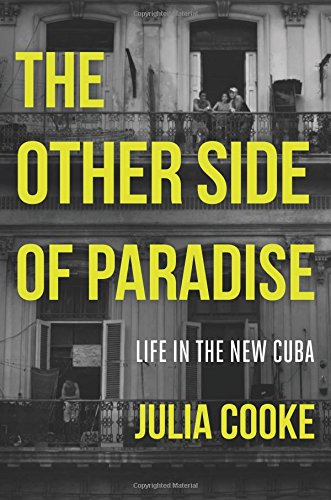
The other side of paradise  life in the new Cuba by Julia Cooke.  "Over a period of five years, beginning when Fidel Castro stepped down from his presidency after almost a half-century of reign, journalist Julia Cooke embedded herself in Cuba, gaining access to a dynamic Havana--one that she found populated with twenty-five-year-old Marxist philosophy students, baby-faced anarchists, children of the whiskey-drinking elite, Santería trainees, pregnant prostitutes, and more. Combining intimate storytelling with in-depth reportage, The Other Side of Paradise weaves together stories of the Cubans whom Cooke encountered, providing a vivid and unprecedented look into the daily lives and future prospects of young people in Cuba today. From ambitious Lucía, a recent university graduate with an acerbic sense of humor and plans to leave Cuba for the first country to give her a visa, if she can just get the roadblocks out of the way--to a crew of mohawk-wearing teenage anarchists who toss bricks at police cars and cite lyrics by The Clash (but don't know the lead singer's name), the characters of The Other Side of Paradise paint a captivating portrait of Cuban culture and the emerging legacy of Fidel Castro's failed promises. Eye-opening and politically prescient, The Other Side of Paradise is sure to linger in readers' minds long after they've finished reading"-


Cuban Revelations Behind the Scenes in Havana (Contemporary Cuba) by Marc Frank:   As a U.S.-born journalist who has called Havana home for almost a quarter century, Mark Frank has observed in person the best days of the revolution, the fall of the Soviet bloc, the great depression of the 1990s, the stepping aside of Fidel Castro, and the reforms now being devised by his brother. In Cuban Revelations, Frank offers a first-hand account of daily life in Cuba at the turn of the twenty-first century, the start of a new and dramatic epoch for islanders and the Cuban diaspora.   Examining the effects of U.S. policy toward Cuba, Frank analyzes why Cuba has entered an extraordinary, irreversible period of change and considers what the island's future holds. The enormous social engineering project taking place today under Raúl's leadership is fraught with many dangers, and Cuban Revelations follows the new leader's efforts to overcome bureaucratic resistance and the fears of a populace that stand in his way.   In addition, Frank offers a colorful chronicle of his travels across the island's many and varied provinces, sharing candid interviews with people from all walks of life. He takes the reader outside the capital to reveal how ordinary Cubans live and what they are thinking and feeling as fifty-year-old social and economic taboos are broken. He shares his honest and unbiased observations on extraordinary positive developments in social matters, like healthcare and education, as well as on the inefficiencies in the Cuban economy.   Ultimately, Cuban Revelations is an objective account by a reporter who has lived with the Cubans for many years as their old world falls apart and they set about trying to build a new one.

 
Toronto Public Library also has some material in Spanish on Cuba including the book Fidel y Raúl, mis hermanos: la historia secret by Juanita Ruiz Castro, Fidel and Raúl's sister. She initially embraced the revolution against Batista but then became disillusioned at the rise of the Cuban communists and fled to the United States. 

Fidel y Raúl, mis hermanos  la historia secreta par Juanita Castro

See also:

The contrasting Western (Canadian) view of Cuba and the Castro-led revolution can be summarized through the headlines of the two photos below from the Toronto Star Archives; these are available through TPL's website.

1970 Toronto Star Archive photo Cuba Once known as the brothel of the Caribbean; Cuba has made tremendous strides under its charasmatic leader Fidel Castro.

 "Cuba: Once known as the brothel of the Caribbean; Cuba has made tremendous strides under its charismatic leader Fidel Castro" – 1970 Toronto Star Archive

 "The line-up is about the only thing that's abundant in Cuba today" – 1969 Toronto Star Archive
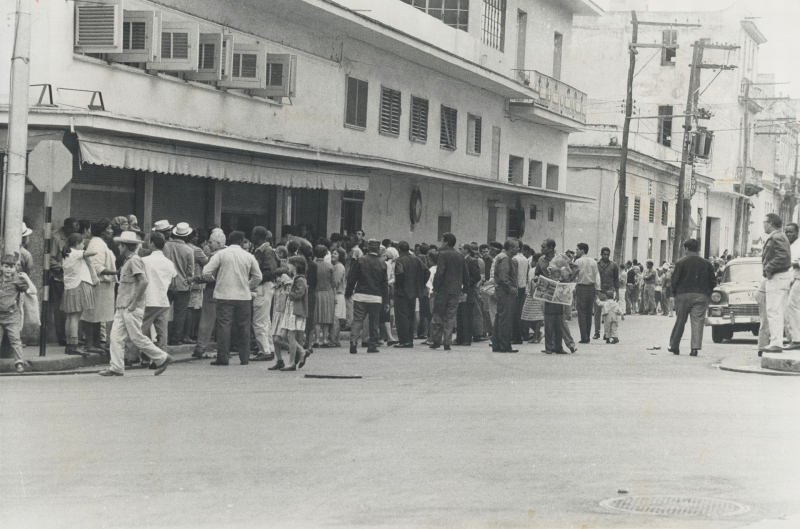
1969 Toronto Star Archive photo The line-up is about the only thing that's abundant in Cuba today.

History makes strange bedfellows, so I wanted to give a brief explanation about the title of this blog post: Cuba Libre = Free Cuba.

Many people will know the rum, coke, lime and ice drink Cuba Libre. Ahhh the rum and coke — the beloved drink of many Canadians.

The history of the drink is tied up with the American occupation of Cuba from 1898 – 1902. This was following the invasion of Cuba by the United States and Teddy Roosevelt, the Rough Riders etc in 1898, which ended the Spanish American War and the "freeing" of Cuba from its Spanish colonial masters (Cuba was the last Spanish colony in the Americas). Cuba Libre is also the name of a famous Elmore Leonard novel about the Spanish American War. 

Fidel Castro, Che Guevara and their guerrillas led the 1950s revolt in Cuba that ultimately overthrew the US-backed dictator Fulgencio Batista in 1959. Castro freed Cuba from an dictator. He also freed them from an economic domination of foreign economic interests (especially but not exclusively, US). In turn, Castro moved to what Americans felt was communism and in 1961, an attempted coup sponsored by the United States known as the Bay of Pigs invasion failed. Within a year, the Cuban Missile Crisis would grip the world. During the 1960s and 70s, Cuba for some represented a standing up to America. Over time though, the economic support of communist Russia declined and the economy as a whole soured (also likely due to the American economic embargo) and this led to a declining standard of living for many Cubans.

"Fidel Castro Denies Soviet Urging"- 1976 Toronto Star Archives

Fidel Castro. Denies Soviet urging

Cuba was freed to an extent from Spanish colonial powers, but was then subjected to direct and indirect American political and economic domination. In turn, Cuba revolted and moved to Communism and some measure of independence but was also dependent on the support (control?) of Russia. Within Cuba, the rise in situation among rural Cubans would be at the expense of wealthier land owners (such as Castro's own sugar plantation owning family). Castro in turn would be identified as father of a nation / revolution and as an oppressive dictator of a one party system. With his passing, Cuba Libre – Free Cuba again comes into play — possibly "freeing" Cuba from communism or possibly simply freeing Cuba from Fidel himself (what to make of his brother Raúl though?). There is a Reddit board called Neutral Politics (is such a thing really possible?) and it recently had an online discussion "Was Fidel Castro a "benevolent dictator?" "How was life under his power?" that you may find interesting.

Throughout this weaving back and forth of history, opponents and losers are jailed, executed, assassinated and killed in war by the hundreds and by the thousands. And for every death, there is also sometimes a slower harm in poverty and limited access to opportunities. It's impossible to really know the truth over time and over distance — it's unlikely there is one truth — and it's further complicated by the cliche "History is written by the victors".

Fidel Castro passed on power to his brother Raúl Castro in 2006 as his own health declined. It was Raúl who organized the nine days of mourning and the three-day march of Castro's ashes back to Santiago, retracing in reverse the route that the triumphant rebels took upon overthrowing US-backed Batista in 1959. Castro's ashes are buried in a simple monument. According to Raúl, there will be no cult of the personality for his brother with no buildings or streets etc. to be named after Fidel.

I wanted to end with some architectural interior design photography books that capture all that is great and not so great with Castro's Cuba.
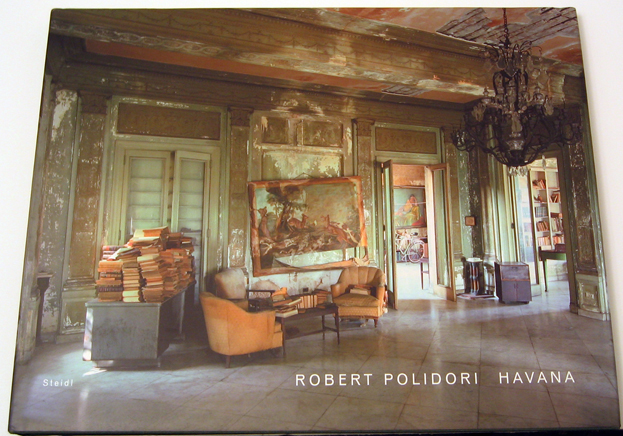
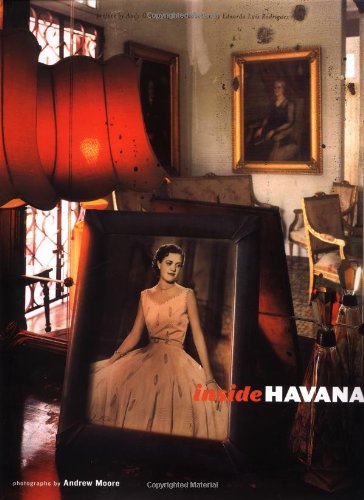
 Havana by Robert Polidori


Inside Havana Photographs by Andrew Moore


Havana


Comments

Leave a Comment

Your email address will not be published. Required fields are marked *