On Collecting
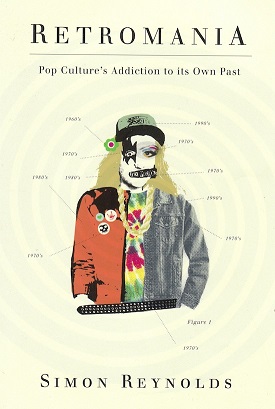
I've always been a collector. When I was a little kid, I had a collection of bottle caps that my dad helped me press onto a cork board. Later I went through phases with stickers (all the rage in grade five), stamps and hockey cards. In my middle age, it's records. But it wasn't until recently that I gave much thought to the seemingly straightforward — you like something, you gather samples of it — impulse to collect. What got me going was Retromania: pop culture's addiction to its own past by Simon Reynolds, which includes a chapter about what it means to collect vinyl records in the age of the Internet. Why would anyone bother with records when virtually all of the music can be found on the Internet and stored on a hard drive smaller than one LP (or online, with no hard drive at all)?
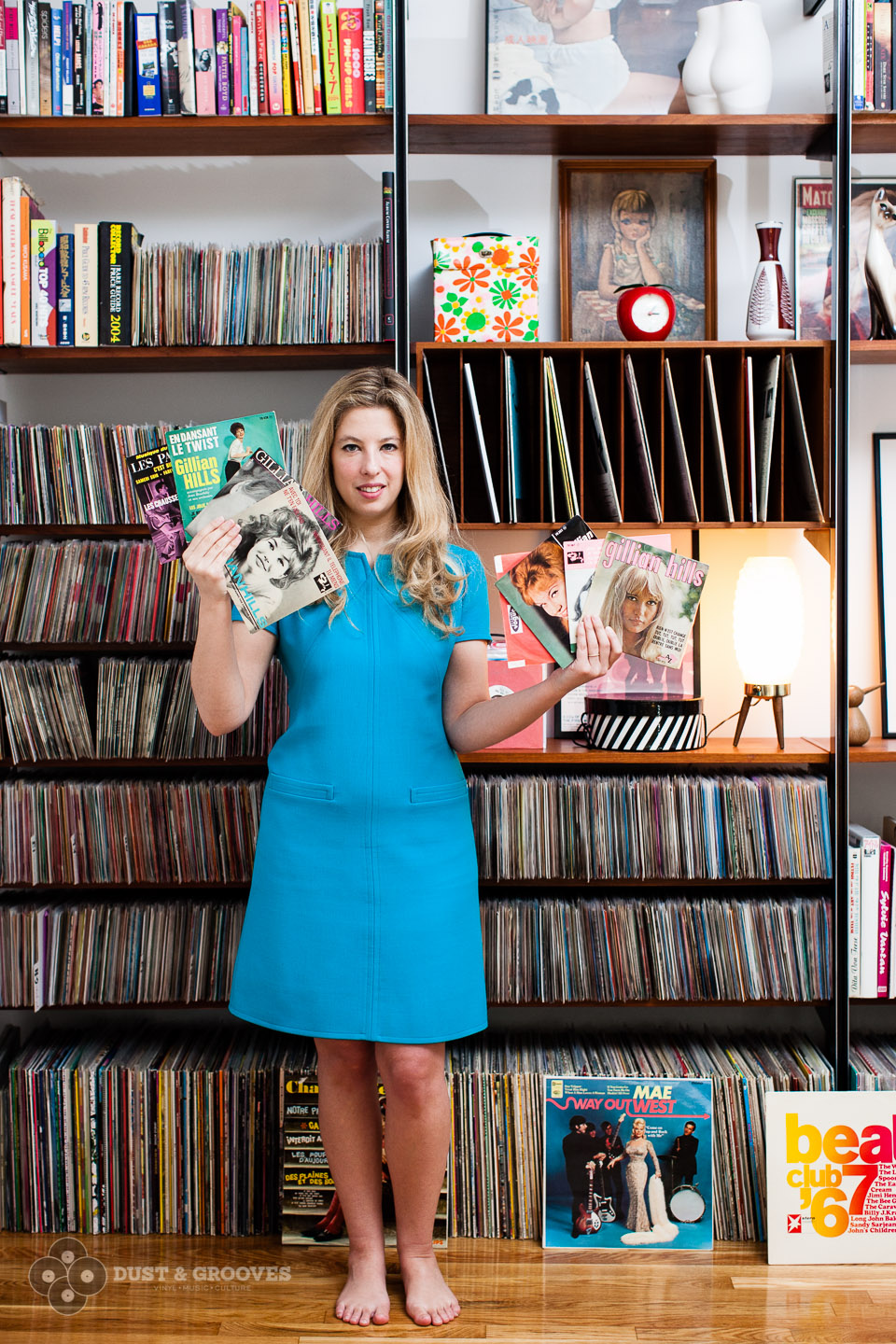
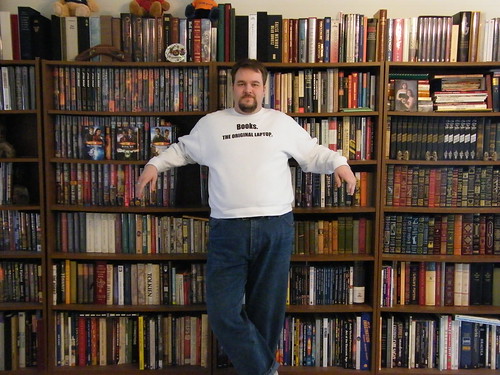
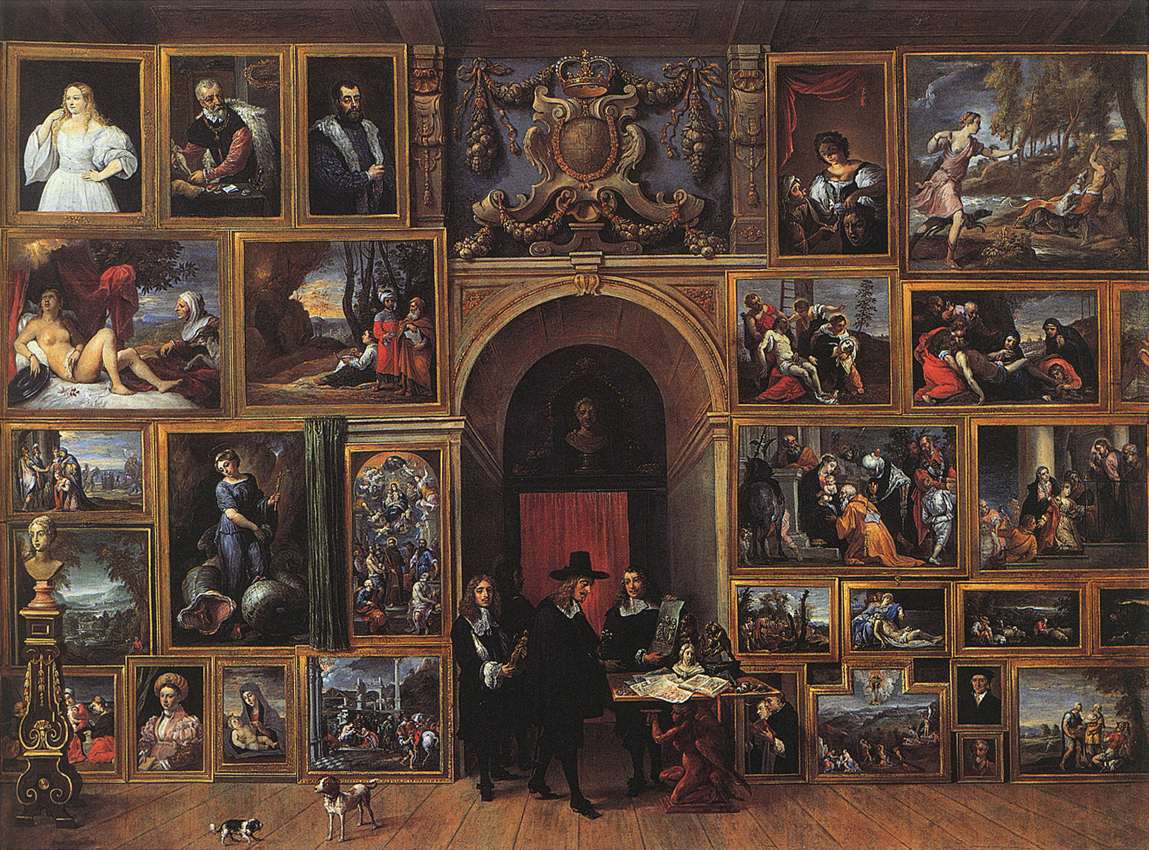
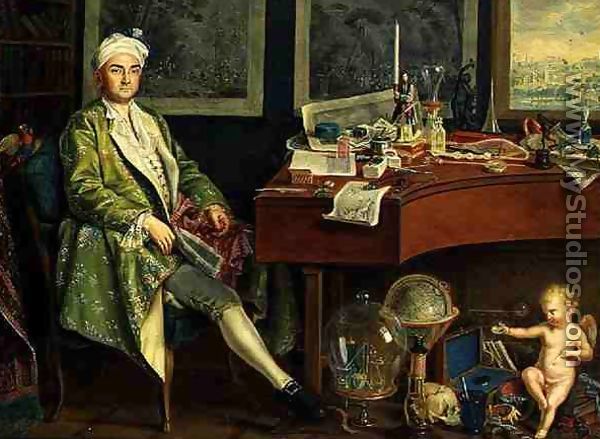
One reason people still collect things that also exist in digital form is that physical collections are always going to be more visually impressive than a hard drive full of files, which is integral to the pride-of-ownership aspect of collecting. Modern-day photos of people proudly posing with their collections aren't really any different from old paintings of rich folks showing off their stuff (although those were also a means of displaying their wealth and, by extension, power). David Sax touches on some of the other reasons why people are still drawn to tangible items in the age of the Internet in his recent book The revenge of analog: real things and why they matter (eBook, eAudiobook); he's also visiting Toronto Reference Library on Monday, February 6th to discuss his book and all things analog.



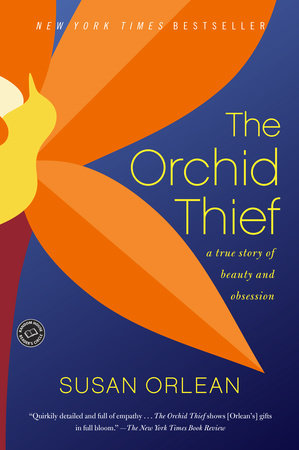
In Retromania, Reynolds also theorizes that in the age of infinite (for all intents and purposes) online music, record collecting can be a defense against "overwhelming plenitude." When he quotes Susan Orlean writing about orchid hunter John Laroche ("I was starting to believe the reason it matters to care passionately about something is that it whittles the world down to a manageable size"), it strikes a chord with me because as I write this I have 15,733 songs on my laptop. It would take me 42 and a half days to listen to them all. And yet, I spend most of my time listening to my 600 (give or take) records or the 1,000 or so songs from LPs I've digitized because clicking on shuffle or logging into Spotify sometimes feels like getting lost in an endless hedge maze.
But beyond all that, collecting raises some interesting psychological and philosophical questions. I used to have an audioblog dedicated to rare and unusual Canadian music, the ongoing maintenance of which necessitated the purchase of a lot of records. After a while I'd amassed a fairly immense collection; after I filled up the available shelving in my living room, I bought another shelf for the overflow and stuck it in my basement. Problem solved! But before too long this new shelf filled up, and that was when the existential dread began to kick in.
My drive to collect has always been mitigated by a dislike of clutter; even as a kid I continually weeded my collections, keeping only the "best" (i.e. my favourite) ones. But I liked to think of my blog as a sort of net I used to "rescue" underappreciated LPs from a stream of pop culture detritus that led to the landfill, and oblivion, so I felt obligated to hang on to a lot of albums I normally wouldn't have kept. Eventually things got to a point where all of the records sitting on my shelves stressed me out for reasons I didn't fully understand; who am I keeping these for? When will I have time to listen to all of them? Where does it all end? Which brings me to this quote from Retromania:
"The music obsessive's version of a midlife crisis is when all those potential pleasures stacked on the shelves stop representing delight and start to feel like harbingers of death. Which is a cruel irony, because the standard psychoanalytic interpretation of obsessive collecting is that it is a way of warding off death, or at least a displacement of abstract, inconsolable anxieties, often rooted in childhood feelings of helplessness. Having all this stuff, the unconscious logic goes, protects you against loss. But eventually having all this stuff keeps on reminding you of the inevitability of loss."
Gulp. This might explain why I felt so relieved when I finally made the decision to ruthlessly purge my collection to the point where it fit in one bookshelf (a policy I have adhered to since), have a big garage sale and then cart the ones I didn't sell back to the thrift store. Personally, I'm not unduly bothered by the thought of my collection being cast to the four winds one day, but a lot of collectors feel quite differently. Issue #11 of the music magazine Wax Poetics has an essay entitled "The Future of Collecting" in which a collector is quoted as saying "When I die, I'll still be holding a stack of my records as the coffin closes," and others note with regret that their private collections are unlikely to be kept intact after they pass away, negating all the time, effort and passion that went into their assembly.
Cheerful! But surely it's not just the subconscious fear of death that motivates the collector? There's also the thrill of the hunt! In 1931 Walter Benjamin wrote an essay entitled "Unpacking my Library." It's about his book collection, but you could go through it and replace the word "books" with "records" and it wouldn't be any different. The antiquated books he describes carefully stacking in glass cases could be LPs being slid into plastic sleeves, and his stories of tracking down rare editions of Balzac and the Brothers Grimm bring to mind diggers' tales of uncovering rare records at flea markets and garage sales:
"Collectors are people with a tactical instinct; their experience teaches them that when they capture a strange city, the smallest antique shop can be a fortress, the most remote stationary store a key position. How many cities have revealed themselves to me in the marches I undertook in the pursuit of books!"
For whatever reason, book collectors have a reputation as being particularly fervent, and somebody out there probably has a pretty good collection of books about book collectors.


- The man who loved books too much: the true story of a thief, a detective, and a world of literary obsession, by Allison Hoover Bartlett (ebook, large print)
- A pound of paper: confessions of a book addict, by John Baxter
- Rare books uncovered: true stories of fantastic finds in unlikely places, by Rebecca Rego Barry
- Among the gently mad: perspectives and strategies for the book hunter in the twenty-first century, by Nicholas A. Basbanes
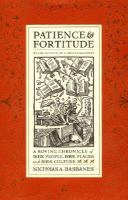
- Patience & fortitude: a roving chronicle of book people, book places, and book culture, by Nicholas A. Basbanes
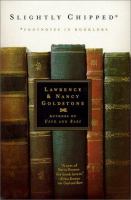
- Slightly chipped: footnotes in booklore, by Lawrence Goldstone
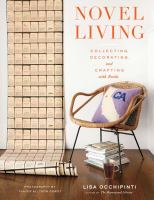
- Novel living: collecting, decorating and crafting with books, by Lisa Occhipinti
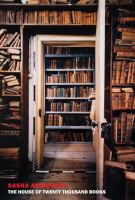
- The house of twenty thousand books, by Sahsa Abramsky (ebook)
Benjamin also discusses how items in a collection attain a value separate from their utilitarian function, which is why collectors can'treasure books they never read or records they never listen to (and why many are still worth a lot of money even though their content can often be easily downloaded):
"Everything remembered and thought, everything conscious, becomes the pedestal, the frame, the base, the lock of his property. The period, the region, the craftmanship, the former ownership — for a true collector the whole background of an item adds up to a magic encyclopedia whose quintessence is the fate of his object."
Lastly, there's the collector's desire to create order out of a chaotic world, or as Benjamin puts it; "For what else is this collection but a disorder to which habit has accommodated itself to such an extent that it can appear as order?" If you've ever spent a day digging through a flea market or thrift store looking for books or records or postcards (or whatever your thing is), you'll know things don't get much more disordered than that, and if you're naturally drawn to order the way I (a librarian, after all) am, there is pleasure and satisfaction to be found in plucking a few diamonds from the rough to be placed in your personal menagerie. Benjamin, again:
"The most profound enchantment for the collector is the locking of individual items within a magic circle in which they are fixed as the final thrill, the thrill of acquisition, passes over them."
Using your collection to temporarily reverse the flow of entropy is great and all, but the problem with that is that you're fighting a losing battle, and even if you win you still lose. You're never going to buy all the records, or all the books, or all the stamps. During my blogging days I once set myself a more modest task; collecting every album put out by a Canadian label named Arc Records. At first it was fun and a great motivator, but as I crossed off numbers on my list the remaining gaps in my collection weighed more heavily on my mind. Eventually I ditched the idea, got rid of the bulk of my collection and felt much better for having done so. Again, I didn't really understand at the time why it was stressing me out so much, but here's Simon Reynolds laying it out for me in Retromania:
"(The) drive to collect is as much about anxiety as desire: it's driven by a will to master, to create order. If you completed the collection, this would interfere with the displacement of anxiety achieved through the neurotic activity of collecting itself. The spectre of death and the void would loom up again."
¯\_(ツ)_/¯
That's a pretty bleak portrait of collecting, but let me assure you that it's not all Fear Of The Void and ceaseless anxiety! If I haven't scared you away from the subject altogether, Toronto Public Library has a great collection of books and movies about collecting and collectors and their collections.
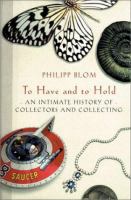
- To have and to hold: an intimate history of collectors and collecting, by Philipp Blom
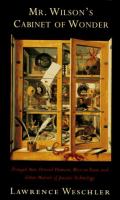
- Mr. Wilson's cabinet of wonder, by Lawrence Weschler (eBook)
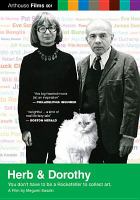
- Herb and Dorothy
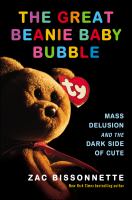
- The great Beanie Baby bubble: mass delusion and the dark side of cute, by Zac Bissonnette (eBook)
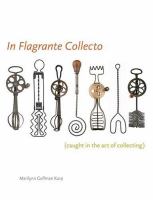


- In flagrante collecto (caught in the act of collecting), by Marilynn Gelfman Karp
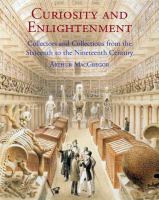
- Curiosity and enlightenment: collectors and collections from the sixteenth to the nineteenth century, by Arthur MacGregor
- Blue Mauritius: the hunt for the world's most valuable stamps, by Helen Morgan
- The hare with amber eyes : a family's century of art and loss, by Edmund De Waal (eBook) (eAudiobook)
4 thoughts on “On Collecting”
Thank you, Beau, for such a fascinating and insightful blog about collecting. Beauty really is in the eye of the beholder, or collector!
A fascinating read. Thanks Beau.
I really enjoyed reading this post, Beau – and I applaud you for being able to seriously purge your collection a time or two! I loved your line “and if you’re naturally drawn to order the way I (a librarian, after all) am, there is pleasure and satisfaction to be found in plucking a few diamonds from the rough to be placed in your personal menagerie” – I think you really captured the heart of what it means to be a collector.
I collect free bookmarks! I picked up the oldest one in my collection at my local library when I was 10 years old. Her’s hoping they never become obsolete.