Sober Five Years . . . One Day at a Time
S, my dear friend of 30 years, will be "celebrating" five years of sobriety soon. She has been a secret drinker for the entire time I've known her. We spent countless weekends together at her family's cottage. Years later, my husband and I stayed with her and her family for three weeks in Europe. I never knew she had a drinking problem and I never saw her drunk. Nonetheless S is an alcoholic. She's also a voracious reader, great driver, excellent with needlework and a whiz in the kitchen. Notwithstanding being an alcoholic, S was also generally a terrific mother.
She hid it pretty well until she couldn't hide it anymore. S was drunk one night and fell into a snowbank. She was found unconscious, taken to a hospital and they, having no idea she was an alcoholic, didn't realize she was going into withdrawal and DTs. With the support of her family she tried rehab several times and it didn't stick. Later, a longer three month stint away in another province set her on the road to recovery. Before recovery though there were times I saw the effects of drink on my friend – lying, missed outings, hangovers, sloppiness, weight gain, defensive, forgetful tendencies, etc. Around the time of recovery there was also a divorce, a lot of angst, mind fog and fuzzy thinking.
When she hit one year of sobriety her family and I attended the Hill Meeting in Toronto and we saw her get her medallion. And now, five years in, we all go again to honor and acknowledge the strength, courage, self growth and grace she's shown these last years. We recognize all who stood by her side and also acknowledge the negative effects her drinking had on her and us.
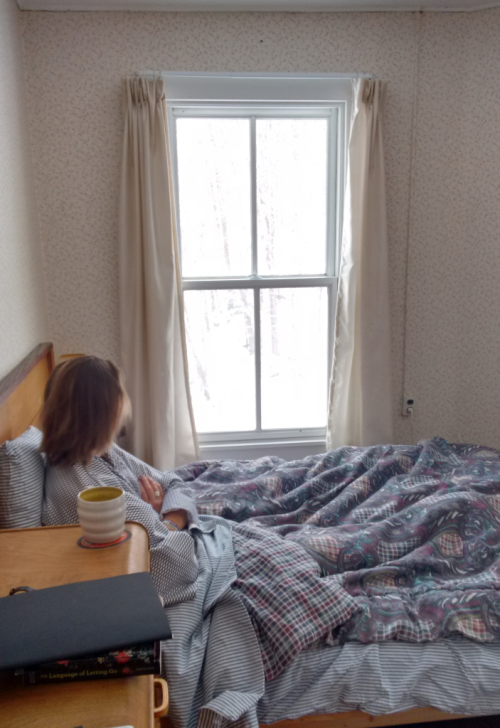
My dear lovely friend S, the unexpected friend from school who is still around, who visits, calls and texts on a regular basis (sometimes daily), is the surprise friendship of my fifties and a bright light in my life. She buys the best gifts including $20 wool striped socks, vintage photos and small magnets. She kindly read this blog and said it was okay for me to write about her.
I'm mindful of not appropriating my friend's voice or to speak of other alcoholics' experience of addiction so I want to suggest some autobiographical works that may be of interest. I do wonder at the prevalence of the female voice in writings on alcoholism and recovery. It's hard to nail down why. Is it a weird quirk of feminism, a reflection of who buys books generally for libraries, or who is more likely to read an autobiography of an alcoholic?
1973 photo, copyright from the Toronto Star Archives
I did find excellent reviews for two books by younger male writers: I Swear I'll Make It Up to You: A Life on the Low Road by Mishka Shubaly and also Straight Pepper Diet: A Memoir by Joseph W. Naus but neither book is owned by Toronto Public Library. I will note that author Augusten Burroughs, of Running with Scissors fame, wrote a fictionalized memoir called Dry dealing with his alcoholism. There is also a new Canadian book by Cree writer Harold Johnson called Firewater: how alcohol is killing my people (and yours).
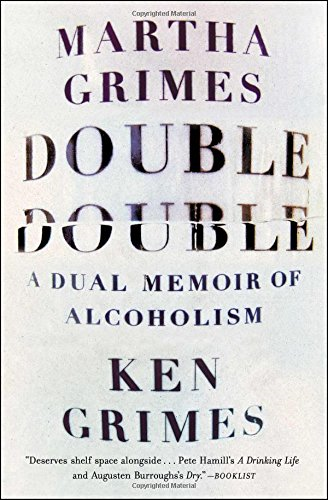
The first book, Double Double: a Dual Memoir of Alcoholism, by mystery writer Martha Grimes and her son Ken Grimes, battles with two different approaches to sobriety. He favored a 12 step AA and she was more comfortable with an outpatient therapy rehabilitation approach. I read this book and was struck by the portrait of the genteel alcoholism Martha Grimes presented – a world of martinis rather than bottles. For me the appeal of Grimes' memoir was the quality of her writing. I found myself dog-earing the book – marking pages with post its and penciled notes.
If you want to read another writer's take on their own alcoholism try Susan Cheever's Note Found In My Bottle (she's writer John Cheever's daughter – he was also an alcoholic). Although TPL doesn't have it, NPR commentator and columnist Heather King's book, Parched: A Memoir is also said to be very well written.
Blackout: Remembering the Things I Drank to Forget, by Sarah Hepola, reminded me of the very finely nuanced worlds within alcoholism. Ultimately a positive story, I think it will resonate with many in their 20s and 30s. Lisa F. Smith's Girl Walks Out of a Bar also places alcohol among the well to do, successful, young urbanites. For another take on blackouts you might also consider reading the 2008 title Blackout Girl: Growing Up and Drying Out in America.

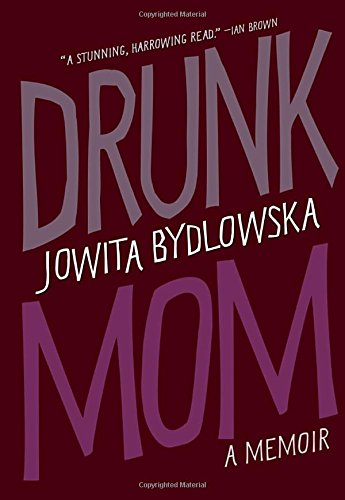
I didn't read Drunk Mom by Jowita Bydlowska, but it's set in Toronto, got some good reviews on Goodreads.com and talks about her relapse in drinking immediately after a life changing (and positive) birth of a child. There are other some other autobiographies by Canadian alcoholics, including Nice Recovery by Susan Juby and All the Way by Jordan Tootoo, the Inuit hockey player.
Alcoholism is not pretty. It's not romantic. It's not sophisticated. But reading these works you see the seductive quality (not just the addictive quality) of drink which is why Drinking a Love Story by Caroline Knapp seems so aptly titled. I also wanted to mention Carry On, Warrior: Thoughts on Life Unarmed by Glennon Doyle Melton.
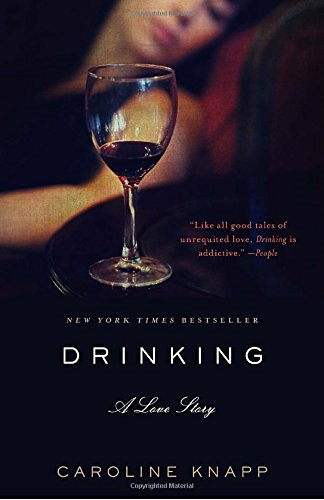
Quirky library fact – two of the subject headings for Drinking: a Love Story are:
- Alcoholics–United States–Biography - 66 results
- Recovering alcoholics–United States–Biography – only 9 results
My friend's sobriety came after several failed short term rehab stays and one successful extended rehab out of province. She's followed up with the 12 step Alcoholics Anonymous (AA) program, regular meetings and sponsors. This type of recovery doesn't speak to everyone but there is a great deal written about it and supporting those who follow it.
AA meetings are all listed online. Did you know that on Thursday January 19, 2017 there are at least 80 meetings happening in the GTA? In total there are 509 meetings at 255 locations locally. There is even a 24/7 phone Help Line 416.487.5591. There is also a separate list of Agnostic AA meetings for Ontario.
AA is based on the big book: Alcoholics Anonymous : the story of how many thousands of men and women have recovered from alcoholism. Many folks buy their own copy, but you can also borrow it from the Library and it's also available in a 20 plus different languages (see the list of languages on the left hand side). There is also quite a lot written about Bill W and Dr Bob the co-founders of AA.
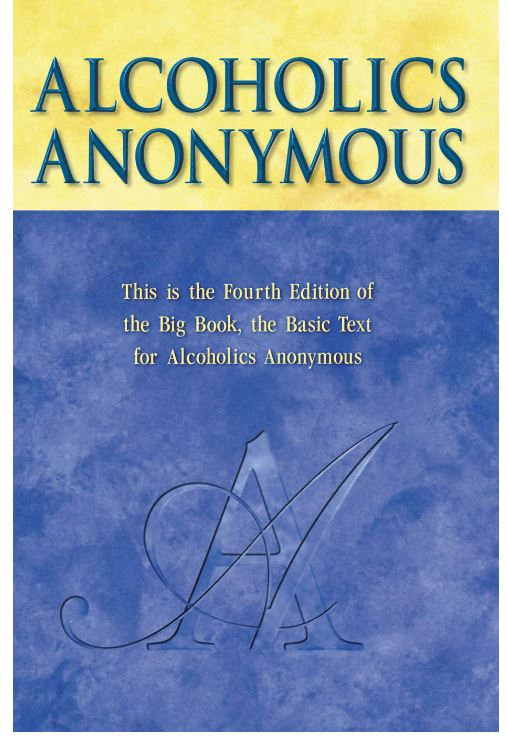
Do you know someone in recovery using the 12 step program? Are you someone in recovery using the 12 step? Then you likely know the importance of the steps and there's been a lot written about them.
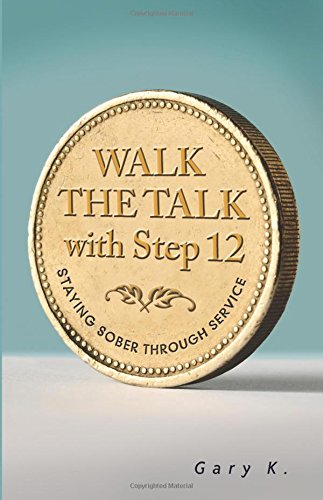
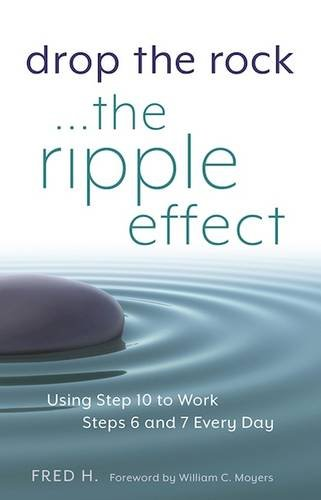
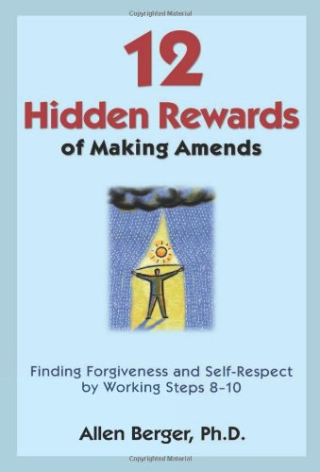
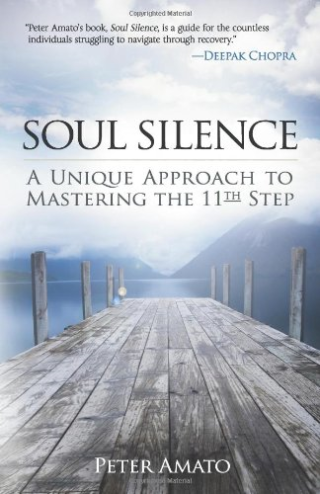
Some 12 Step programs have evolved with the times, incorporating Buddhism, mindfulness and yoga:
- Healing Addiction With Yoga: a Yoga Program for People in 12-step Recovery
- Beyond Belief: Agnostic Musings for 12 step Life – Finally, Daily Reflections for Nonbelievers and Free Thinkers
- The 12-step Buddhist: Enhance Recovery From Any Addiction
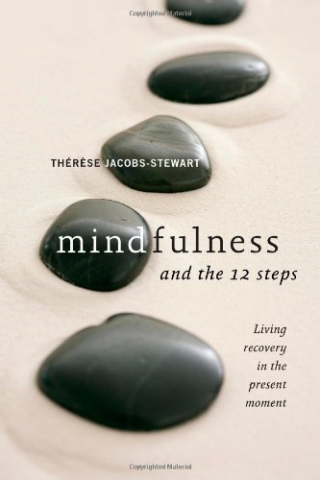
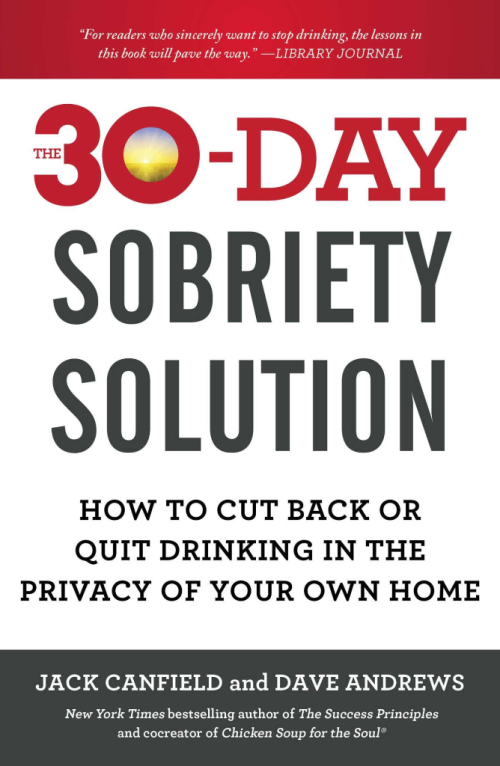
Despite the prevalence of AA and its success in my friend S's life (and my friend A – seven years sober!) there are writers who question AA and/or offer other sobriety alternatives. In terms of balance I wanted to list some alternative material available at the Library. In the community you may also hear about harm reduction, abstinence and moderation HAMS support types of programs and services. There is also SMART Recovery Toronto for something that is not AA based. Also in terms of other external to the library resources CAMH offers a COMPASS program.
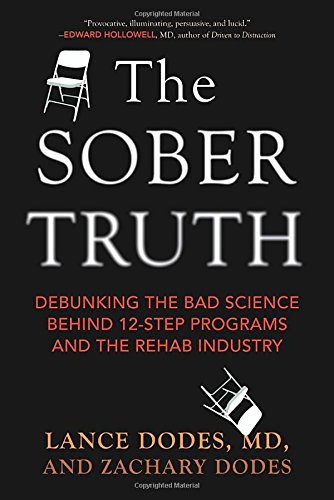
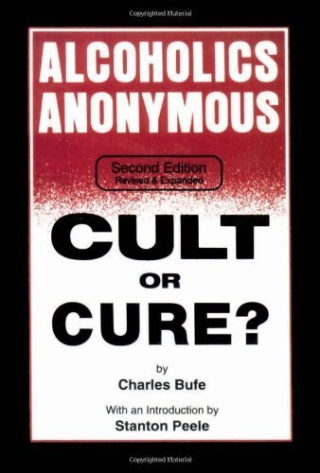
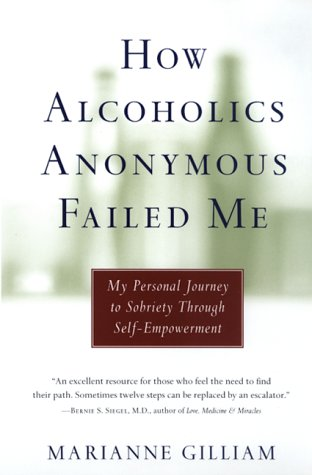
If you are skeptical you may also want to see these articles and books:
- Does Alcoholics Anonymous Work?
- A gentle path through the twelve steps : the classic guide for all people in the process of recovery
- Waiting : a nonbeliever's higher power
- A is Faith-Based, Not Evidence-Based
- The Surprising Failures of 12 Steps
- The Sober Truth: Debunking the Bad Science Behind 12-step Programs and the Rehab Industry
When I went with my friend S to the Hill Meeting for the first time I was stunned by the 200 plus people, the many teenagers and 20 somethings, the older very well dressed and successful looking folks. One woman who spoke had 25 years of sobriety under her belt. They were all alcoholics or people who had alcoholics as part of their life. I work downtown and bike all over the core. Both at work and personally I see and interact with a lot of despair, and a lot of addictions. There's the stereotype of what an alcoholic looks like and acts like. But in fact, if you look around, you probably know people who are alcoholic – who are high functioning drinkers, secret drinkers, binge drinkers, social drinkers. You, reader, may in fact be one of these drinkers.
I am reminded daily in my life of the phrase "There but for the grace of God go I". With compassion and self awareness recall that each of us has struggles, that we all go forward one day at time.
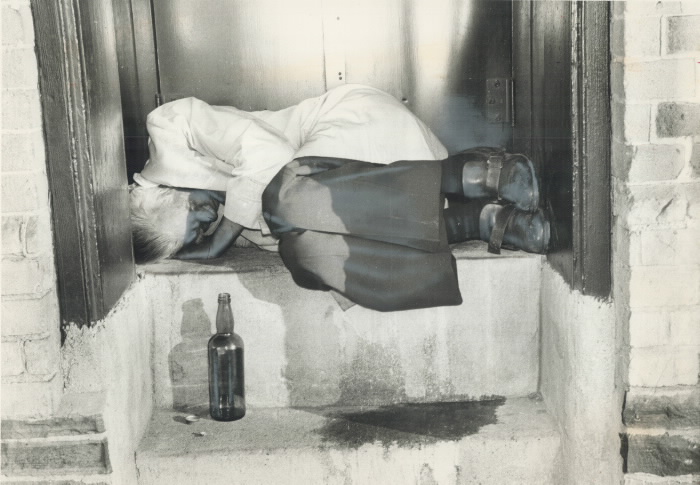
1979 photo, copyright the Toronto Star Archives
Toronto Public Library recently joined Reddit. We are very active on the r/Toronto board. There are thousands of separate boards including r/stopdrinking. To quote their purpose:
-
This subreddit is a place to motivate each other to control or stop drinking. We welcome anyone who wishes to join in by asking for advice, sharing our experiences and stories, or just encouraging someone who is trying to quit or cut down.
For everyone on the subreddit, and for the sake of your own recovery, only participate here when you're sober
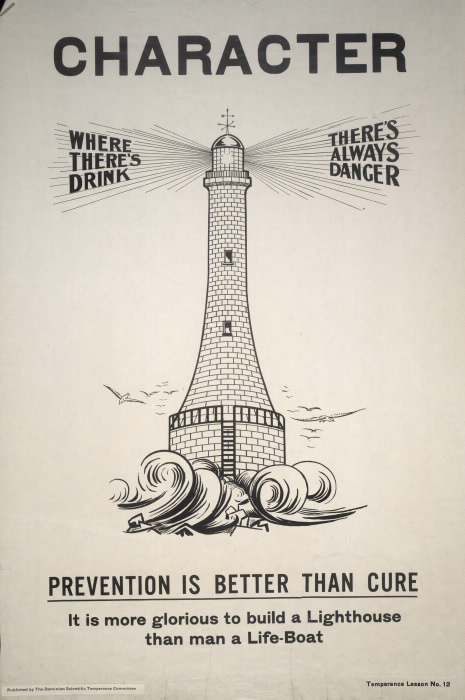
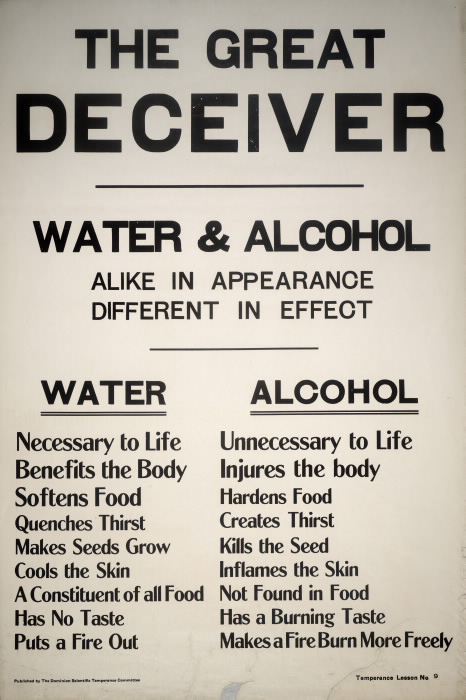
Alcohol and temperance are not new subjects in Canada. Toronto Public Library has a series of 1920s era posters from the Dominion Scientific Temperance Committee – a couple of which are below.
5 thoughts on “Sober Five Years . . . One Day at a Time”
I thought this was an arts & culture blog?
This is a sensitive post with some intriguing references I wasn’t aware of! You sound like a good friend.
So many arts & culture performers suffer now and have suffered from the illness of alcoholism; and drug abuse. I, as have others, ponder the relationship between high achieving performers and and “addictive” personality. The blog post is well-positioned in arts and culture. Kurt Cobain; Billie Holiday; the wonderful and tragic Amy Winehouse; John Cheever. The quest for excellence and the personal and professional standards that these performers set for themselves set them apart from people who never leave their comfort zones. Of course, addictive personalities are all over the achievement spectrum. This could be any one of us. Bill, thanks for this compassionate, informative and most insightful post.
My uncle became an alcoholic after WWII due to PTSD. Although he went to AA, it was a lifelong struggle. He could be sober for a year or more, but then his drinking buddies would drop by and talk him into going somewhere and it would start all over again. As a young man and even later, he was a voracious reader and when I visited Finland he was the only relative who had read books worth reading and could quote from “The Rubaiyat of Omar Khayyam” and even wrote something in Latin “navire necesse ist” in my autograph book when we used to go fishing (with nets) in the Lake District of Finland every day. He loved being out on the water. Did his drinking make him a more interesting person, or was he more interesting to begin with, and could he have been so much more, had he remained sober?
I’ve been to “The Hill” (not recently) and I’m currently 39 days sober. In my case, it’s been an ongoing struggle since arriving in “the rooms” of AA in the late autumn of 2000. I must say, I don’t find the AA program to be lacking. It is I who is lacking, frail, human and alcoholic. Thanks for the blog article. I’m always looking for new reading material and you provided plenty of leads.