An Artist Named Copper Thunderbird (1932-2007)
Orange, blue, black, sharp lines, bold two-dimensional compositions filling the space. The images I have in my head belong to Norval Morriseau, also named Copper Thunderbird. As we look back on our history this year and reflect on what makes us Canadians, it is also a time to reflect on our indigenous communities and their contributions.
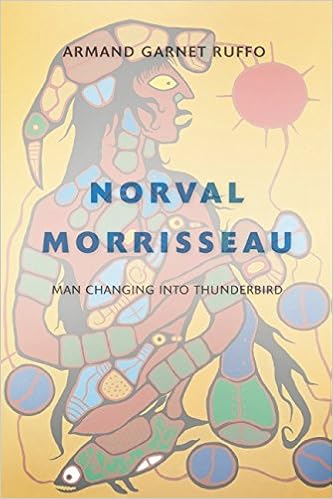
Like many of us, Copper Thunderbird came from a mixed background where it was necessary to find ways to harmonize different aspects of religion, culture and family. This was an artist who knew hardship. He was sent away as a child, lived in abusive circumstances, suffered poor health in early adulthood and worked in the mines to support himself. His curiosity about the Ojibwa was a result of spending time with his grandfather.
His style is easily identifiable and is unique to having spent time learning indigenous beliefs and visiting ceremonial sites. Morrisseau faced obstacles from his community for wanting to share what he knew with non-indigenous peoples but was deeply thankful for western influence and support. Several key relationships led to his success in Toronto and nationally. Internationally, Morriseau was considered the "Picasso of the North".
Credits to this man include contributing to a mural with Carl Ray for Expo '67; being the first indigenous artist to show at a contemporary art gallery; creator of the Woodland School of Art (a group of artists working after Morriseau's style out of Manitoulin Island in the 1970s); and being named to the Order of Canada in 1978. Windigo, and Other Tales of the Ojibways which Morriseau illustrated was also published that year. You know his work if you visit any major gallery in Canada. It would be appropriate to say no Canadian art anthology is complete without him. Arguably, the artist Copper Thunderbird is an inspiration to many.
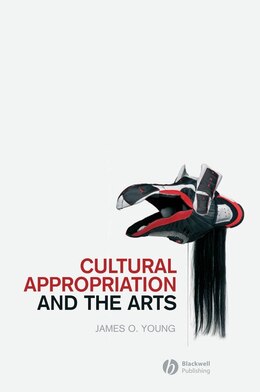
If you look at a piece of art and know a bit about art-making, the style of particular artists becomes easier to read. Style and process in art make it a form of authorship and it is hard to reproduce. First year art undergrads get threatened with failure if they are caught taking ideas that have already been done by someone else. Appropriation is allowed only if it offers a new take on a concept; certainly we have books on how cultures have influenced others and have been misused. The Woodland School of Art is no exception, but please keep in mind that even when something is done out of context, it still draws attention to the original works which can be a good thing. It can also be controversial and that is why research is required from the outset.
If you would like to know more about Norval Morrisseau, why not try some of our online resources like Art Full Text available from the Toronto Reference Library or JSTOR from home. Further reading is also available on the Woodland School of Art. Notably Alex Janvier of the Woodland School just wrapped up a major exhibition at the National Gallery in Ottawa. His most recent self-titled book is also worth checking out.

Comments