Islamic Art
Ramadan begins this year on Thursday May 17, 2018 (the date varies and is flexible depending on the lunar calendar and moon sighting). This reminded me that I wanted to revisit the Aga Khan Museum and in preparation for that, and with an eye to Ramadan, I thought I would write a blog on Islamic art.
If you're interested in knowing more about the holiday, you may enjoy my earlier blog:
Eid Mubarak عيد مبارك: Celebrating the End of Ramadan (with cookies)
Sun Life Financial Museum + Arts Pass
Did you know that 50 branches distribute free tickets to the Aga Khan Museum (among many other local cultural venues)? The following books can give you a taste of the museum. Don't forget that the Bellerive Room on the first floor of the musuem is always free and it has a beautiful, small but choice collection of Islamic pottery on view. The Aga Khan Museum is part of the 2018 Doors Open Festival and currently has a show on the The World of the Fatimids.
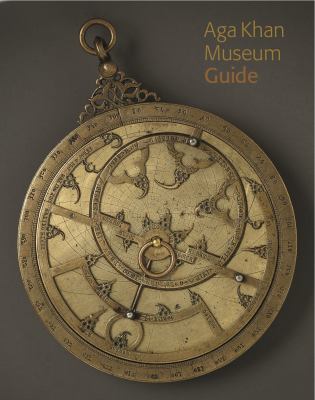
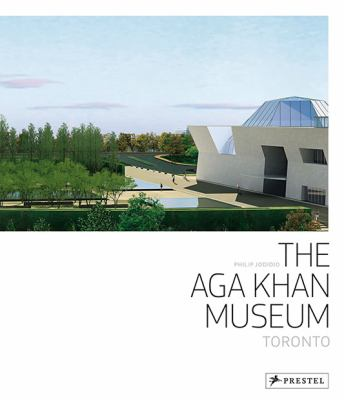
The Aga Khan Museum, Toronto: "This book presents a museum and educational center of exquisite beauty and cultural magnificence, the culmination of a partnership between His Highness the Aga Khan and a Pritzker Award-winning architectural team."
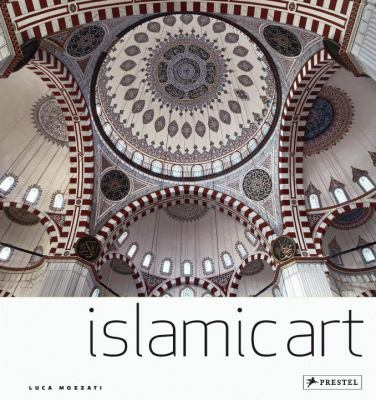
Islamic Art: Architecture, Painting, Calligraphy, Ceramics, Glass, Carpets: "This gorgeous survey of art from the Islamic world covers three continents and fourteen centuries. From its birth in the seventh century through modern times, the Islamic religion has inspired glorious works of art. This stunning book includes more than four hundred reproductions of treasures of Islamic art that span the world."
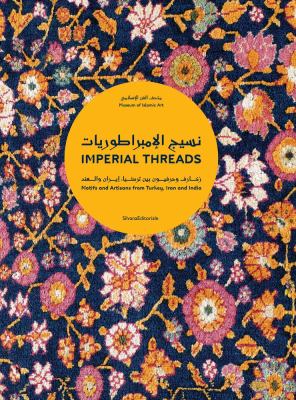
Imperial Threads: Motifs and Artisans from Turkey, Iran and India = Nasīj al-imbrāṭūryāt zakhārif wa ḥirafyūn bayn Turkiyā, Iirān wa al-Hind: "places objects such as carpets, ceramic tiles, jewellery, manuscripts and stonework within their historical, political and cultural contexts, by examining their production and motifs".
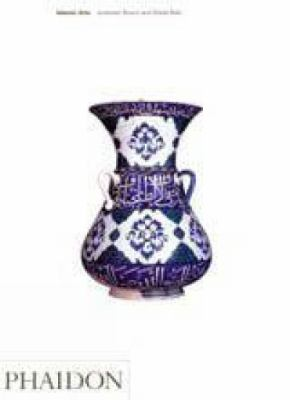
Islamic Arts: "A comprehensive survey covering a thousand years, highlights those characteristics that connect the various arts of the Islamic lands without minimizing the differences. The book is divided into three time periods – 600-900, 900-1500 and 1500-1800 – and each section analyses architecture, the arts of the book, decorative and applied arts."

Islamic Geometric Design: "Broug shows how, over the centuries, craftsmen were able to adorn buildings with wonderful geometric patterns using the simplest of tools and without recourse to mathematical calculations."
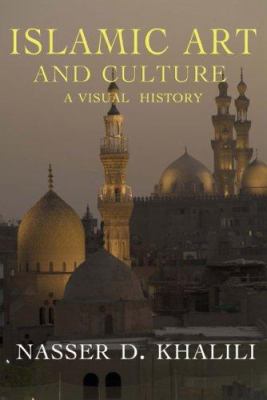
Islamic Art and Culture: A Visual History: "explores the art of pottery and ceramics, glass and rock crystal, jewelry, carpets and textiles, miniature painting, and lacquer. Entire chapters are devoted to calligraphy, Qur'ans, coins, metalwork, and scientific instruments, producing a wealth of history lessons studded with color illustrations."
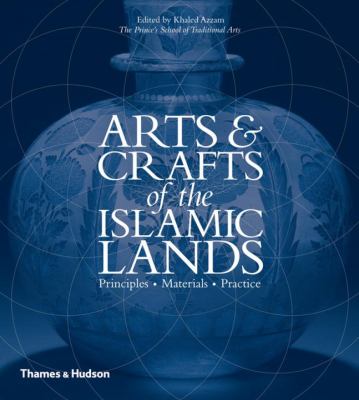
Arts & Crafts of the Islamic Lands: Principles, Materials, Practice: "This book provides unparalleled access to a glorious range of techniques, methods, materials and skills. The first chapter explores the fundamental principles of Islamic arts and crafts: geometry, islimi and calligraphy."

Islamic Art: "Presents prominent examples: luxury ceramics, prayer mats, goldsmithery, as well as witnesses to the decorative arts and calligraphy – and above all the masterpieces of the splendidly colourful courtly book illumination of Persia and the Mughal emperors of India."
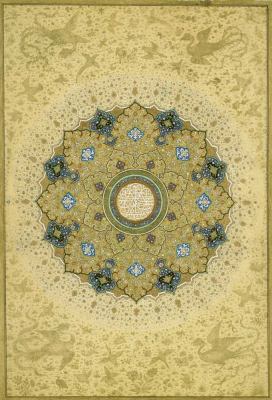
Masterpieces from the Department of Islamic Art in the Metropolitan Museum of Art: "This expansive book reveals the great diversity and range of art of the Arab lands, Turkey, Iran, Central Asia, and later South Asia. Published to coincide with the historic reopening of the galleries of the Metropolitan Museum's Islamic Art Department, it presents nearly three hundred masterpieces from one of the finest collections in the world."
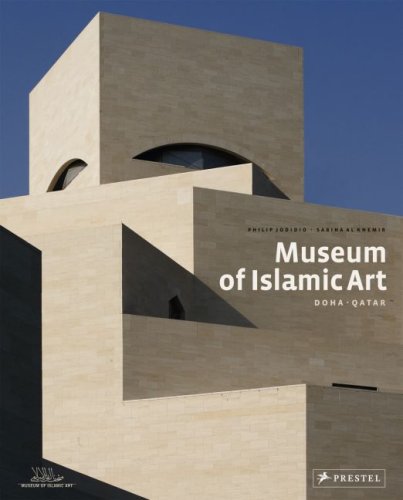
Museum of Islamic Art: Doha, Qatar
You may also want to try these more specialized books only at Toronto Reference Library:
- Beauty and Identity: Islamic Art from the Los Angeles County Museum of Art
- Ink, Silk & Gold: Islamic Art from the Museum of Fine Arts, Boston
- God is Beautiful and Loves Beauty: The Object in Islamic Art and Culture
- Islamic Art and the Museum: Approaches to Art and Archeology of the Muslim World in the Twenty-First Century
- Picturing Islam: Art and Ethics in a Muslim Lifeworld
- Islamic Aesthetics: An Introduction
Carpets:
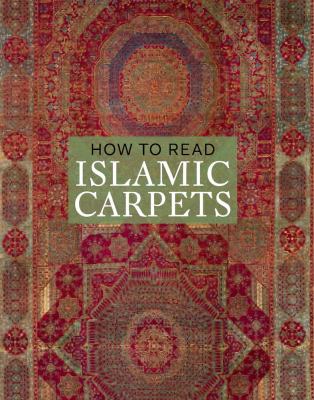
How to Read Islamic Carpets: "Carpets made in the "Rug Belt" – an area that includes Morocco, North Africa, the Middle East, Central Asia, and northern India – have been a source of fascination and collecting since the 13th century. This engaging and accessible book explores the history, design techniques, materials, craftsmanship, and socio-economic contexts of these works".
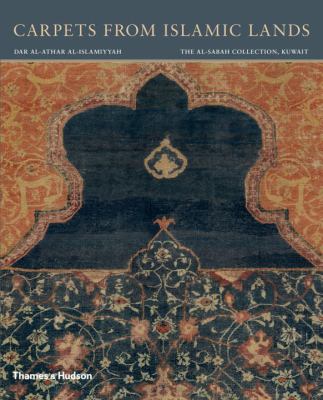
Carpets from Islamic Lands: "Among the most beautiful and precious textiles in the world, carpets from Islamic lands have been treasured for centuries."
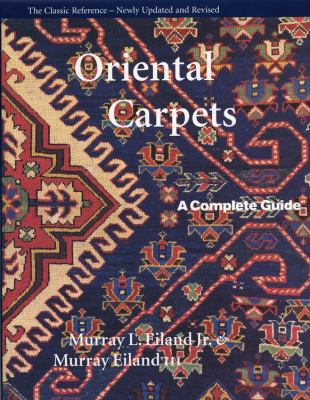
Oriental Carpets: A Complete Guide: "This comprehensive, authoritative volume by the most regarded names in the field reviews the history of the art of weaving & explains basic carpet-making materials, tools & techniques."
Ceramics:
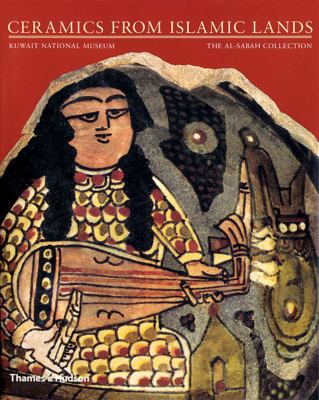
Ceramics from Islamic Lands: "A collection of ceramics from the lands of Islam, providing a new framework for the understanding and study of Islamic ceramics, their traditions and technical inventiveness".
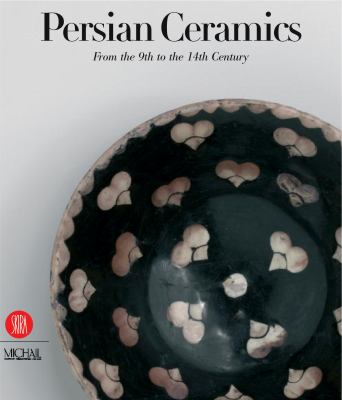
Persian Ceramics: From the 9th to the 14th Century: "In the complex and varied world of Islamic art, ceramics play an important role. Medieval Persian ceramics, in particular, were extraordinary for their technical invention and imaginative, refined iconography achieving artistic results that would be difficult to surpass in the art of pottery."
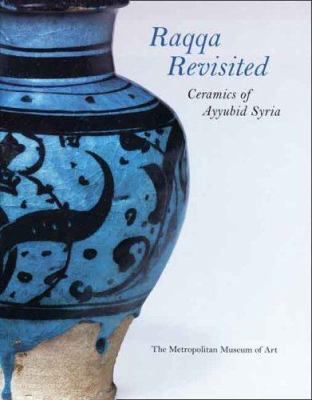
Raqqa Revisited Ceramics of Ayyubid Syria: "Raqqa, in Syria, had its first Islamic flowering in the late 8th century, when it was the residence of the legendary Abbasid caliph Harun al-Rashid. It experienced a resurgence during the late 12th and early 13th centuries under the Zangids and Ayyubids."
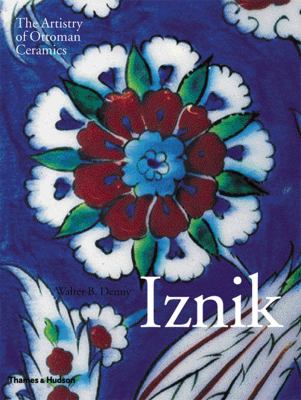
Iznik: The Artistry of Ottoman Ceramics: "The book showcases the array of motifs – floral, vegetal, and figurative – used on Iznik wares."
You might also be interested in these titles:
- Perpetual Glory: Medieval Islamic Ceramics from the Harvey B. Plotnick Collection
- Iznik: The Pottery of Ottoman Turkey
- Islamic tiles
Glass:
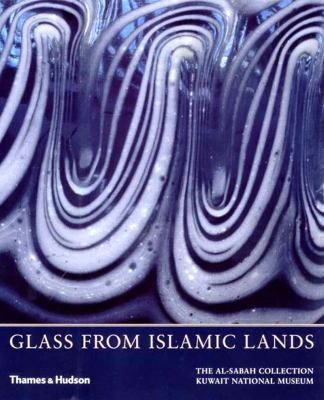
Glass from Islamic Lands: "The glass holdings of the Dar al-Athar al-Islamiyyah is so comprehensive that it allows a detailed study of this neglected medium in the field of Islamic art. With few exceptions, the collection of over 500 complete or nearly complete objects – the great majority published here for the first time".
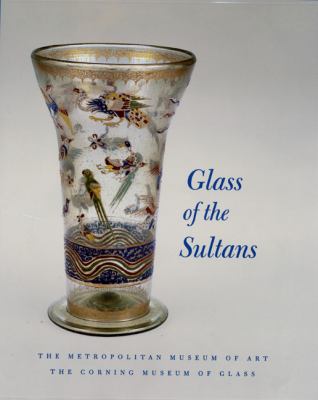
Glass of the Sultans: "Islamic glassmakers were not only brilliant technicians and innovators in their own right, but they also preserved many of the methods of Late Antique Roman craftsmen. This lovely book is the first comprehensive study of the accomplishments of these artisans."
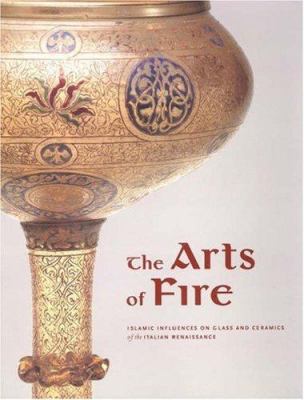
The Arts of Fire: Islamic Influences on Glass and Ceramics of the Italian Renaissance: "Many of the developments in Italian ceramics and glass were made possible by Italy's proximity to the Islamic world. The Arts of Fire underscores how central the Islamic influence was on this luxury art of the Italian Renaissance."
Architecture:
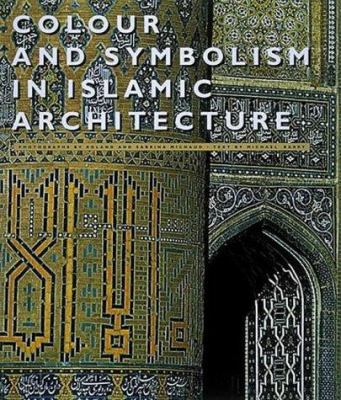
Colour and Symbolism in Islamic Architecture: Eight Centuries of the Tile-maker's Art: "A collection of photographs of the tiled domes, minarets and walls of the mosques and buildings of Islamic Asia. The tiles bear the seven colours of heaven: ochre, turquoise, white, black, green, red and blue."
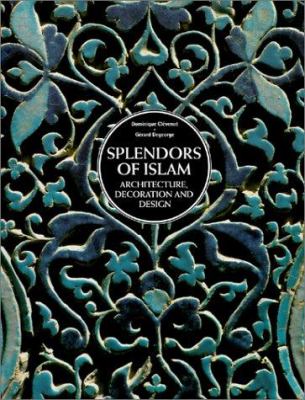
Splendors of Islam: Architecture, Decoration and Design: "Since human representation is forbidden in Islamic religious monuments, design & ornamentation reach unparalleled heights in Islamic tiles, mosaics, stucco, brickwork, & ceramics, enhanced by brilliant color."
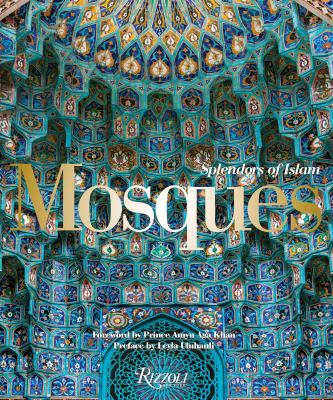
Mosques: Splendors of Islam: "Mosques are among the greatest architectural feats and have a profound beauty: their spiritual purpose adds to their mystery and luster. This visually stunning volume illustrates the development of the basic mosque structural and decorative elements through sixty examples."
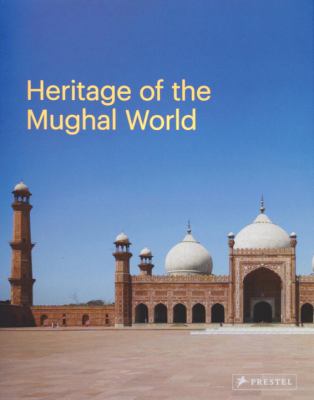
Heritage of the Mughal World: The Aga Khan Historic Cities Programme: "This beautifully illustrated book explores the historic cities, buildings, and gardens that flourished during the Mughals' three-century rule, highlighting valuable conservation and restoration projects in Afghanistan, India, and Pakistan."
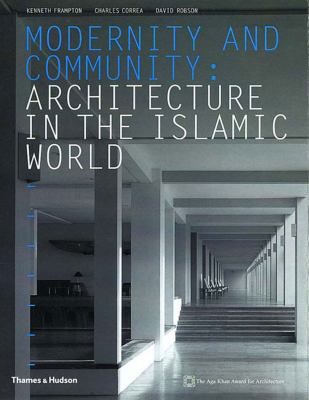
Modernity and Community: Architecture in the Islamic World: "The Aga Khan Award for Architecture was established in 1977 to encourage and bring to international attention the work of architects and designers building in Muslim nations. The winning projects of the 2001 award are profiled here."
Calligraphy:
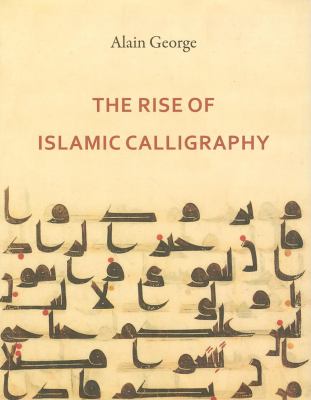
The Rise of Islamic Calligraphy: "Alain George brings together manuscript, mosaic, architecture, and text to reveal the evolution of Arabic calligraphy from its pre-Islamic conception through the emergence of the modern styles of writing still in use today."
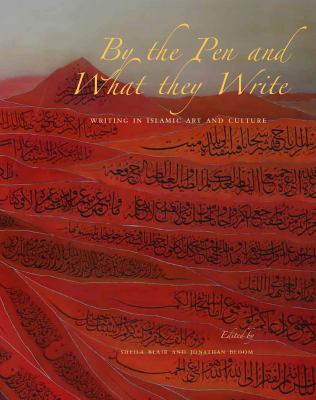
By the Pen and What They Write: Writing in Islamic Art and Culture: "Considered by Muslims as the only true art, calligraphy has played a prominent role in Islamic culture since the time of the prophet Muhammad. Exploring this central role of the written word in Islam and how writing practices have evolved and adapted in different historical contexts, this book provides an overview of the enormous impact that writing in Arabic script has had on the visual arts of the Islamic world."
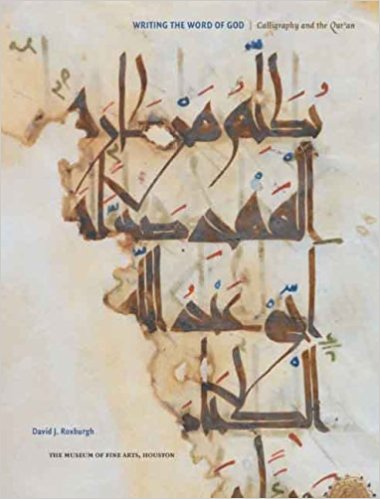
Writing the Word of God: Calligraphy and the Qur'an: "The art of Islamic calligraphy developed from the 7th to the 14th century, beginning in western Arabia, spreading south to Yemen and north to the Near East, and continuing east and west to Iran, Egypt, North Africa, and Spain. This handsome book demonstrates the breadth and beauty of Islamic calligraphy across centuries and continents, as seen in rare early folios of the Qur’an."
You may also be interested in these titles:
- The Art of the Qur'an: Treasures from the Museum of Turkish and Islamic Arts
- Traces of Words: Art and Calligraphy from Asia
- Qur'an Manuscripts: Calligraphy, Illumination, Design
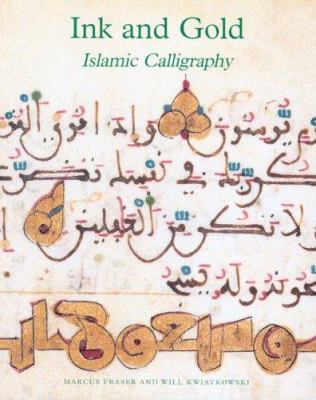
Ink and Gold: Islamic Calligraphy: "Ink and Gold charts the development of Islamic calligraphy over a thousand years, from its beginnings in the Arabian Peninsula. Given the status of the Qur'an as the word of Allah and ambivalence towards representation of living things, the art of the pen became the focus of an extraordinary energy."
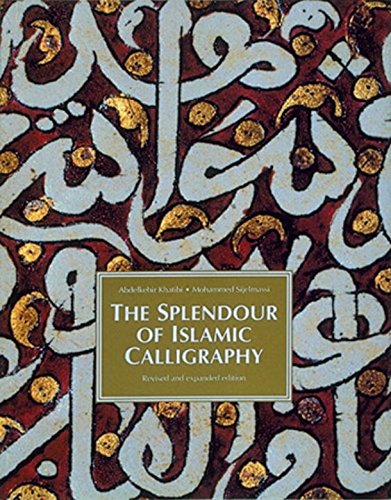
The Splendor of Islamic Calligraphy: "Islamic calligraphy traditionally took its inspiration from the Muslim belief in the divine origin of Arabic writing. In early Islam the use of Arabic writing is sacred, and official texts gave rise to a wonderful profusion of scripts and a calligraphic tradition that has flourished for over a thousand years – not only in manuscript decoration but also in architecture, ceramics, and painting."
Lastly, you may enjoy some of these DVDs:
The History and Achievements of the Islamic Golden Age
Ramadan Mubarek / Happy Ramadan.
One thought on “Islamic Art”
This is a great blog post about the history of Islamic art that is housed at the Aga Khan Museum right off the DVP. There is a new wave of contemporary art that fuses calligraphy and abstract visuals. https://ayahcollective.com/ sells affordable pieces and offers free shipping so you can get them at your doorstep without any hassle!