Painting for Beginners
Painting is a muscle that can be developed in anyone. So often you will hear about talent, inspiration and troubled lives, but these ideas are for the most part a stereotype. They are also not requirements for being successful at completing a painting. So what does that look like? Many will point to John Berger’s “Ways of Seeing” as the best place to start.
As a muscle, the practice of painting comes with several rules. A trained painter will know about most of them and spend time honing the use of these elements to create something new or record an observation. In this practice, which some take a lifetime to master, you will unintentionally learn how other painters have assembled their work. These exercises also help us make decisions about sequences and balance. You may find yourself expecting to learn one thing and arriving at a different solution.
Health and Safety: Please always read the labels of the paints you purchase. If it says known to cause cancer in the state of California, cadmium or any other heavy metal in the name of the colour, I will always recommend to avoid these products. Look for the ACMI label. It is easier than ever to search for the Materials Safety Data Sheets. I tend to recommend one book all the time but there are current resources online. It is also advisable to have good ventilation, and perhaps a mask if you are working with noxious smelling materials like oils and turpentine.
The Artist's Handbook of Materials and Techniques by Ralph Mayer
The Artist's Materials Handbook by Ray Smith
Colour Theory: You can save a lot in materials costs if you know how to rock a colour wheel. You will need the three primary colours of Red, Yellow and Blue. You will want some Black and White paint to mix as well. All other variations of colour are in theory a few mathematical steps away. For example, Green is created from mixing yellow with blue, but you will want more yellow than blue because blue has more intensity. Unless you bought Naples Yellow which is a nice substitute for Titanium White.
The Creative Edge by Mary Todd Beam

Color: A Practical Guide to Color and its Uses
Composition and Content: Observe your subject. Make field sketches. Sketch it out in pencil a few times at different angles. In Canadian art the lone tree has been done, find something that will hold your attention long enough to finish your practice. If you need a prompt, try “go to your nearest shelf and find something in a jar with a label.” If you try this please show us your results, they will all be different and wonderful. Practice looking at as much art as possible from all different places, there are so many brilliant works to draw inspiration from.

Painting Enlightenment by Paula Kane Robinson Arai
Magnetic North Imagining Canada in Painting 1910-1940 edited by Georgiana Uhlyarik and Martina Weinhart

Cubism in Color: The Still Lifes of Juan Gris by Anna Katherine Brodbeck et al.
Medium: Without a doubt the most troublesome problems can arise from switching mediums. Know the rules specific to the materials you are working with. Ideally you are looking for a paper with a bit of tooth for most mediums, with the exception of markers. Why yes, you can paint with markers! However, the most forgiving paint to start with is acrylic because if you make a mistake you can paint over it. The most difficult medium would be watercolour as it is easy to end up with something akin to a mud puddle if not careful. A simple rule to remember is to use the canvas or paper as your white paint and to gradually work in saturation and contrast.
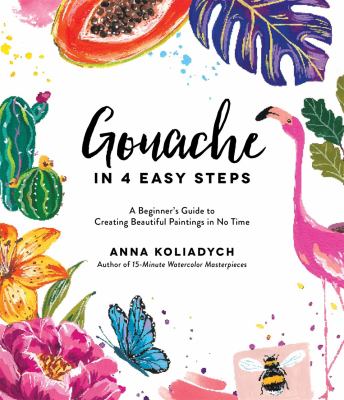
Gouache in 4 Easy Steps by Anna Koliadych
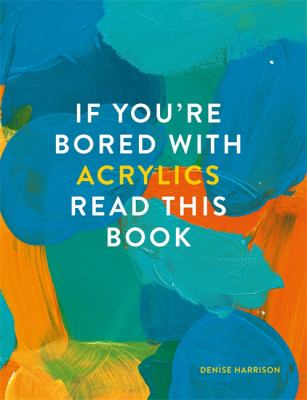
If You're Bored with Acrylics Read this Book by Denise Harrison
Distance: Look at your creation from near and far, you will see what areas are off and be able to see it better as a whole if you step back a few feet. Then flip it upside down. If you can pass the upside down test without any qualms, you are finished. Warning, artist qualms will happen and best to ask a fellow artist for a fresh look if unsure.

Splash 16 edited by Rachel Rubin Wolf

Basquiat by Hans Werner Holzwarth
Now, here’s the key difference to make note of. An artist knows the rules so well; she will break them to suit her own rules which then become a recognizable style. Happy painting and keep practicing!
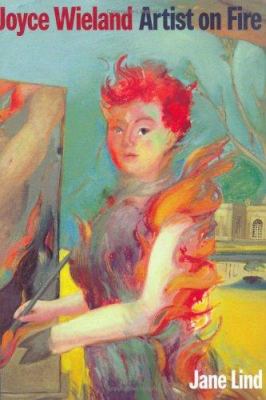
Joyce Wieland Artist on Fire by Jane Lind
Comments