Where Does Your Child Stand on the Reading Ladder?
Written by Patty & Janet
Whether you are reading aloud to your child or your child is reading on their own, the Toronto Public Library’s Reading Ladder Arrangement provides a guideline on which books are suitable for your child’s age and level of reading.
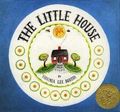
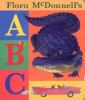
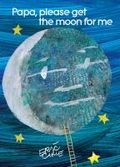
J PIC Picture Books for Younger Children: ages birth to 6 years
This collection is a child’s first introduction to books and reading. It contains fully illustrated titles that tell an uncomplicated story suitable for a young child’s understanding. Alphabet, counting , early concept and wordless picture books can be found in this collection. These books are great for reading aloud to children.
 |
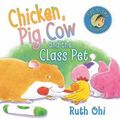
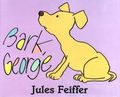
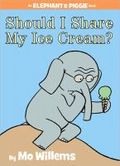
J BR Beginning to Read Stories: Grades SK to 2 (ages 6-7)
The “beginning to Read Stories” are books for very new readers. Repeated vocabulary, rhyming, large widely-spaced print, plentiful illustrations and lots of white space characterize these books. The rhyming and repetition helps familiarize the new reader with the “look” of many words.
 |
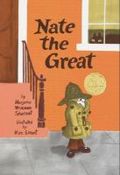
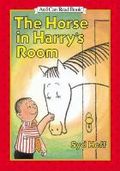
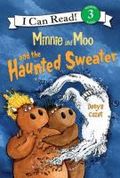
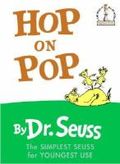
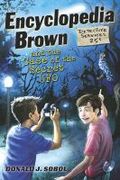
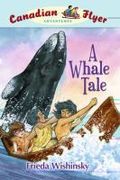
J ER Easy to Read Stories: Grades 2-3 (ages 7-8 and older)
Early chapter books with lots of illustrations and a controlled but more advanced vocabulary than the beginning readers. These books have a larger print size and more white space than the “older” fiction categories.
 |
|
|
 |
|
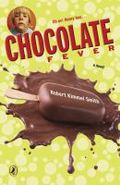
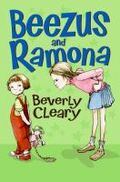
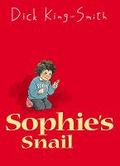
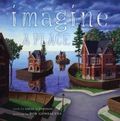
J APIC Advanced Picture Books: Grades 2 and up (ages 7 and up)
Fully illustrated, these books appeal to an older picture book audience who want a more complex story. These titles require a longer attention span and more developed comprehension skills than that of the picture book audience. “Fractured” fairy tales, semi-biographies and stories with mature themes can be found in this collection.
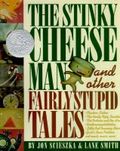 |
|
|
 |
|
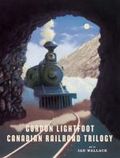
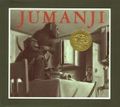
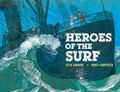
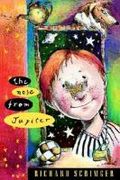
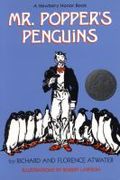
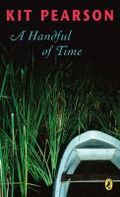
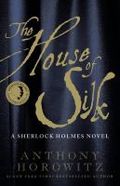
J Fic Older Fiction: Grades 4-6 (ages 9-12)
At the top of the reading ladder, these books look very much like adult titles. Older fiction chapter books have a more advanced vocabulary, smaller print and fewer illustrations than the Easy to Read stories. As well as regular fiction, this category includes Mystery and Science Fiction titles and Graphic Novels.
 |
|
|
 |
|
Non-fiction titles at all levels can be found in the relevant Dewey area. There are non-fiction books at any level from J BR beginning reader through to older fiction, grade six level.
7 thoughts on “Where Does Your Child Stand on the Reading Ladder?”
Good information. Thanks for sharing. Much appreciated. Can’t wait for the next blog.
Thanks for the great information – as a Speech-Language Pathologist, I will share this information with the paren’ts of my clients as a guideline for appropriate reading material to facilitate reading fluency and comprehension (as well as enjoyment)!
Great information and very helpful! Looking forward to your next blog!
Wow – wish I had seen this when my kids were younger. (And is it sad that The Little House is still one of my all-time favourite books?!).
Great post – keep ’em coming. Any suggestions for teen boys?
good information, thanks.
What a great resource! I’ll check out some of these books for my kids.
This is great. Thank you!