Rosh Hashanah, Yom Kippur, Sukkot… and Dolly Beil
Jewish people here in Toronto and
all over the world are now in the midst of three very important holidays. The first is Rosh Hashanah, the Jewish New
Year, the first of the High Holy Days. This two day celebration is
believed to be the anniversary of the creation of Adam and Eve, the first man and woman, and their first
actions toward the realization of mankind’s role in God’s world* This year, this was from sunset on September
16 to nightfall on September 18.
This holiday is followed by Yom
Kippur, the Day of Atonement, the holiest day of the year for Jewish people. This holy
day is traditionally observed with a 25-hour period of fasting and intensive
prayer. This year, it is from sunset
September 25 to nightfall on September 26*
From October 1 through 8, Jewish people will celebrate the holiday of
Sukkot, the Feast of Tabernacles. It is
a biblically mandated festival on which Hebrews were commanded to make a pilgrimage
to the Temple in Jerusalem. "Sukkot" is the plural of "sukkah," referring to the fragile dwellings the Israelites used during their 40 years of travel in the desert after fleeing from Egypt.*
In Toronto, we should all be familiar with the sight of Jewish people
walking to or from their local synagogues during these days.
But what might it have been like to have grown up in another
country? The Barbara Frum Library is
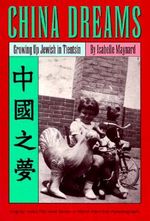
very pleased to be able to present Dolly Beil, author of
“Growing up Jewish in China” on Tuesday October
2, at 7 pm. Dolly was born in 1927 and grew up in Tsingtao, Mukden, Harbin and
Tientsin. “ She and her family lived through the Japanese occupation of China,
liberation by Americans at the end of World War II, civil war between
Nationalist and Communist forces, and the flight of foreign nationals from an
increasingly closed society.” ** We expect her evening with us to be full of
fascinating and entertaining stories, and urge people to preregister for this
event.
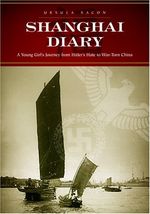
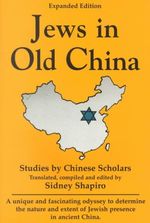
Dolly and her family were among many Jewish people who lived and
continue to live in China. Here are some
other suggestions for reading on this topic:
|
|
|
 |
* source: Wikipedia
** source: amazon.com
2 thoughts on “Rosh Hashanah, Yom Kippur, Sukkot… and Dolly Beil”
As a Jew, I am dismayed that the blog entry consistently refers to Jews as “Jewish people”. I’ve noticed this in various media from time to time, as if the word “Jews” is somehow dirty. Yes, “Jews” has been used in very ugly ways by anti-Semites, but that doesn’t mean that people of good will have to be influenced by that. I expect more of the Toronto Public Library. “Jews” is not a nasty word!
(On a different stylist note, I know the writer was pressed for time — as are all library workers, particularly since the unfair cutbacks in staff and budget — but please go over your work before posting… There are way too many sentences that begin with “This”, including the entire second paragraph!)
As a Jew, I have no problem in being called “Jewish People”. As a Jew, I’m very happy that someone took the time and effort to explain to other people about our holidays and tradition. It’s about time our voice will be heard too!
In Toronto, we can see the Jews going to and from their local synagogues every Friday and Saturday, not only during those three holidays.
On another note, I’d rather see the explanations taken from more reliable sources, like http://www.pjcc.org/jewishlife/holidays/jl-holidays-explained.html or http://www.chabad.org/holidays/default_cdo/jewish/Jewish-Holidays.htm, rather than Wikipedia.
BTW – I’m definately planning to go to this lecture. It sounds very interesting!