This Earth Day, why not adopt a four-pronged approach to saving the planet?
For more than 40 years, Earth Day, celebrated on April 22, has
been inspiring people to protect the environment. Quickly — off the top of your
head, what is the single most important thing you can do to lessen your impact
on the earth? Recycle your newspapers? Drive a hybrid car or take public
transit? All these actions really do help but nothing helps more than reducing
or eliminating your consumption of meat (having fewer children helps too but this
isn’t something you can easily employ retroactively!) .
.
Numerous scientific investigations including a recent United
Nations Environment Programme (Unep) study advocate eating less meat in order to avoid further environmental damage, because
current farming practices are destroying the natural world. Another UN study, Livestock’s Long Shadow,
reports that the livestock sector is one of the top contributors to the most
serious environmental damage, both locally and globally.
Animal farming is related to land degradation, climate change, air
and water pollution, water shortages and loss of biodiversity. Pollution from
fertilizers threatens human health and the environment by causing toxic algal
blooms –- and 80 percent of the nitrogen and phosphorus in fertilizers is
consumed indirectly by livestock. Did you know it takes 420 gallons of water to
produce one pound of grain-fed chicken? And the amount of manure produced
by factory farms is three times greater than the amount produced by humans? According
to the United Nations, “A substantial reduction of impacts [from agriculture]
would only be possible with a substantial worldwide diet change away from
animal products.”
Per-capita meat consumption has more than doubled in the past 50
years and global population continues to increase. Th e overall demand for meat
has increased five-fold, putting increasing pressure on the availability of
water, land, feed, fertilizer, fuel and waste disposal capacity. The Worldwatch
Institute posits that meat consumption is a driving force behind deforestation, erosion,
fresh water scarcity, air and water pollution, climate change, biodiversity
loss, social injustice, the destabilization of communities and the spread of
disease. Switching to a vegan diet can cut 90 percent of the total emissions
your eating habits contribute to global warming, while, according to data from Carnegie Mellon University,
switching to all-local foods will only reduce emissions by four percent! Read
more in Worldwatch Institute’
 s ejournal available free with your library card.
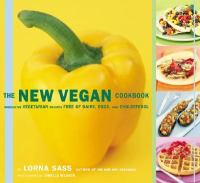
Reducing your meat consumption is soooo easy now –- start with Forks
Over Knives (also available in DVD
and ebook) and the Forks Over Knives cookbook.
A vegetarian diet will also help you lose weight, lower your cholesterol and
prevent (or even reverse) chronic conditions such as heart disease and type 2
diabetes and help you look hot. The right food not
only helps the planet but is your
best medicine.




Avoiding meat also means avoiding the
consumption of fecal material as almost 90
percent of all store-bought meat shows contact with Enterococcus faecium
–- a bacteria in fecal matter. As strains of antibiotic-resistant bacteria
become more commonplace because of their use in factory farming, the less we
are able to use the drugs to treat human disease.
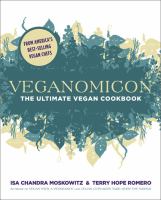
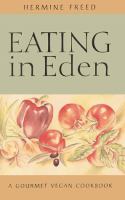

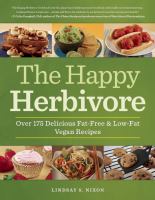
Need
some support? Join Toronto Vegetarian Association
for nutritional information, podcasts, menu ideas and restaurant advice; www.GreenYourDiet.org
is another great resource. Check out all the amazing veg blogs out there and sign up to
receive regular emails so you always have new recipe ideas for inspiration. Take
part in rabble.ca’s Vegan Challenge because a vegan diet has even less of an environmental impact (a 2009 study by
the PBL Netherlands Environmental Assessment Agency reported that transitioning to a v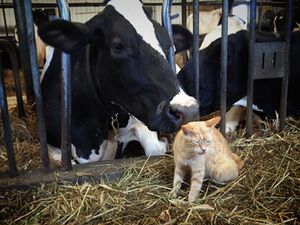 egan diet would mitigate climate change costs by around 80 percent whereas just eliminating meat reduces costs
by around 70 percent). To quote one rabble blogger, “It sounds
overwhelming. It sounds impossible. But so does ending gender-based violence or
eliminating institutional racism… We
can'tackle the Vegan Challenge the same way we do global injustice, by starting
with small daily actions.”
Food choices matters. Every time we sit down to eat, each of us can
help create a greener, kinder and healthier world simply by leaving animals off
our plates.
Comments