Chernobyl 30 Years Later
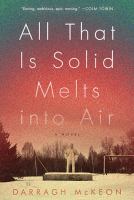
All That Is Solid Melts Into Air by Darragh McKeon
The lives of a surgeon, a dissident and a child piano prodigy converge when the incident at Chernobyl sets the world aflame and burns away everything they thought they knew. This literary debut novel is a coming of age story, a romance and a work of historical fiction mapping the decline of the Soviet Union and the plight and suffering of its people.
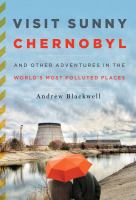
Visit Sunny Chernobyl, and Other Adventures in the World's Most Polluted Places by Andrew Blackwell
When you think of environmental tourism, the Great Pacific garbage patch probably isn't the first destination to come to mind. Blackwell takes his readers off the beaten path, journeying to some the most polluted places on Earth, including a computer recycling plant in China, a poisonous river in India, and even the tar sands of Canada. Described as "a love letter to our biosphere's most tainted, most degraded ecosystems," this unusual travelogue/guidebook explores the uglier aspects of our planet, including Chernobyl's Exclusion Zone. (Yes, it's open to sightseers!) Read more about the day tours in this article from The Guardian. The less adventurous can opt for a virtual reality tour, as the BBC reports here.
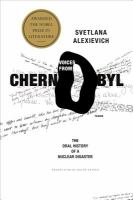
Voices from Chernobyl by Svetlana Alexievich
Alexievich, a Belarusian journalist who won'the Nobel Prize in Literature in 2015, listened to the stories of hundreds of people whose lives were shattered by the disaster and recounts them in this harrowing book. The interviews, compiled in monologue form, are intensely personal and offer a heartbreaking look at a turning point in history through the eyes of villagers, scientists, teachers, soldiers, firefighters, politicians — all citizens, all people, all irrevocably changed by Chernobyl.
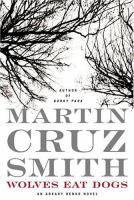
Wolves Eat Dogs by Martin Cruz Smith
World-weary detective Arkady Renko investigates the death of a Russian billionaire who seemingly committed suicide. But why was radioactive salt found at the scene? The mystery leads Renko into the ghost town of Chernobyl's Exclusion Zone, contaminated but still inhabited by scientists, scavengers and other shady characters. An eerie atmosphere and the underlying conspiracy make for a gripping read.
Other Earth Month-related posts:
Cli-Fi, A Fiction Genre for Climate Change
Fragile Planet: DVDs for the Weekend
Our Fragile Planet: Magazines to the Rescue
It’s Earth Month
2 thoughts on “Chernobyl 30 Years Later”
What a thought-provoking post Andrea! Thanks for this.
Thanks for the introduction to off-the-beaten-path reads!