NaNoWhatNow? Write Your Own Book for NaNoWriMo
NaNoWhatNow?
Is everyone around you suddenly talking about NaNoWriMo? If not, they should be, because National Novel Writing Month is a pretty big deal.
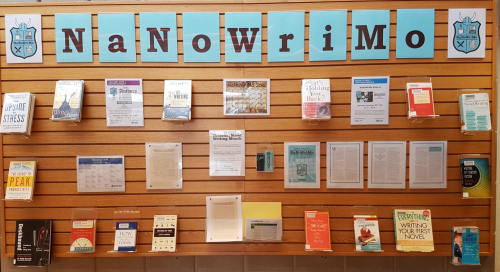
What is National Novel Writing Month?
NaNoWriMo (National Novel Writing Month, or NaNo for short) happens every year in November, when people from all over the world make a pledge to write 50,000 words in 30 days. It's a mixed bag of writers: ones who have never written a book before (but always wanted to); seasoned authors with multiple books published; and people who have no idea how they got roped into it in the first place. I won't tell you where I fit in on the NaNo writer spectrum, but let's just say I've never regretted participating.
The reason I started off this blog by telling you that NaNo is a big deal is because thousands of people participate each year. Last year, there were 431,666 participants worldwide. Of those, 1,655 were from Toronto. Our city actually has one of the largest, most active NaNo communities. The latest NaNo stats (I could only find ones from 2013) had Toronto ranked #6 in the world. I wouldn't be surprised if we're now in the top five, if not #1. TonNaNo hosts tons of events (just scroll through the calendar), is active on Facebook and Twitter, and even has a chat room where participants can'talk about their progress.
You're extremely lucky to not only live in Toronto, but to have come across this post. Today is November 1st. Day 1 of NaNoWriMo. If you've always wanted to write a book, here's your chance!
How Do You Participate?
Seasoned Wrimos (a Wrimo is a NaNoWriMo participant), you may want to skip this section.
Everyone else, just start writing.
You can write your novel on the computer, by hand, or on a typewriter (if you're so inclined). You can choose to write 1,667 words a day, every day. You can write 6,250 words every weekend. You can write sporadically, a thousand words here, four thousand words there. You can do anything you want; what matters is that you start writing on or after today, Tuesday, November 1st, 2016 and aim to write a 50,000-word novel by 11:59 PM on Wednesday, November 30th, 2016.
To be an official participant, you can sign up on the NaNoWriMo website, which will allow you to keep track of your progress and award you a certificate if, strike that, when you win. Best of all? Even if you don't win, you'll be a lot closer to finishing your novel than you were when you first started.
Where Do You Find Other Wrimos?
If you'd like to be part of the ToNaNo community, your first stop should be the official Toronto region forum. You'll find posts, discussions forums and a calendar of events.
If you're looking for NaNoWriMo advice and support halfway through the month, Albert Campbell Branch is hosting a NaNoWriMo themed Local Authors Night on Wednesday, November 16th from 6:30-8 PM. NaNo experts, past winners and authors will be on hand to answer all your questions and talk about their 2016 NaNo experience so far.
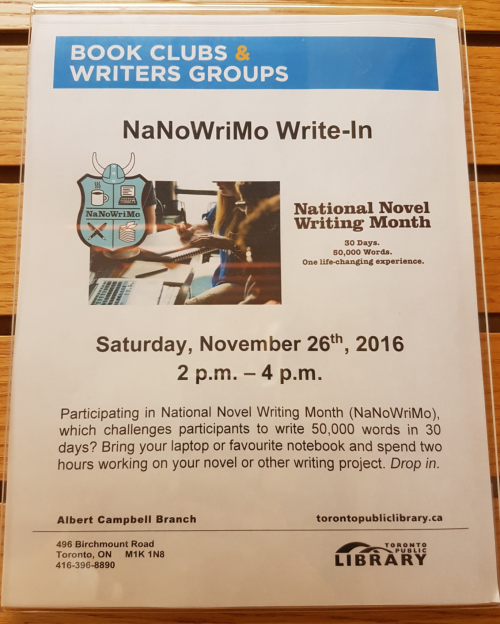
On Saturday, November 26th from 2-4 PM, you can also join other Wrimos in the east end, at Albert Campbell Branch for a write-in, where you can write your way closer and closer to that 50K.
Tips for Success
If you made it this far, I'm going to assume you're on board the ToNaNo Star Ship and ready to write those 50,000 words. To guide you on your journey, here are five tips for success. They're based on my research as a librarian coupled with personal experience as a two-time NaNoWriMo winner (almost three, but I'd rather not get into that). BTW, a NaNoWriMo winner is someone who has written 50,000 words in the month of November.
#1: Have a Plan
We’re only on day one, so it's not too late to have a plan. Not just what you’ll write, but where. At a coffee shop or in your favourite chair?
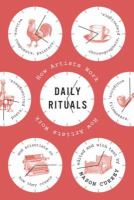
Stephen King is a great role model for us Wrimos. Daily rituals: how artists work, a book that details the habits of various artists (including writers), notes that "King writes every day of the year, including his birthday and holidays, and he almost never lets himself quit before he reaches his daily quota of two thousand words” (page 224). That's enough to win NaNoWriMo and finish early.
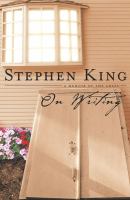
So what is King's secret? Habit. In his book On writing: a memoir of the craft, King recommends that aside from having a daily writing goal (the magic number for NaNo is 1,667 words per day), you should also write at the same time every day and have a dedicated writing space (pages 155-157). Why? So you can'turn writing into a routine.
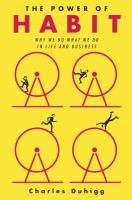
The power of habit: why we do what we do in life and business explains that you need cues, or triggers, to tell your brain to get to work. That way, every day when the clock strikes 12 (or whatever time you pick to start writing), you automatically head to your dedicated writing space and get NaNo-ing. Even if you can't be as meticulous as King, you should still come up with a routine to turn writing into a habit. Maybe you make a cup of tea every time you start writing, or you have a dedicated writing laptop that you never use for anything else. You could even have a writing outfit, something you only wear to get that word count rolling. Whatever you choose, decide now, and then stick to your plan. Personally, I have a netbook I use exclusively for writing. I also keep my agenda on hand, and reward myself with colourful stickers as I write (an idea I got from Toronto author Rebecca Diem at the September Local Authors Night at Albert Campbell Branch, which she got from author Victoria Schwab's Vlog).
Lastly, in his article "How a Month of NaNoWriMo Can Lead To a Lifetime of Better Writing", Grant Faulkner suggests announcing your NaNo writing plan to friends and family, and to the larger NaNo community. That way, you'll be accountable to someone and are more likely to stick to your plan. Faulkner's article can be found in the November issue of Writers' Digest (pages 42-45). You can access it for free on Zinio with your library card, or stop by one of our libraries to read a physical copy.
#2: Listen to the Experts
There is so much great advice already out there, you just have to know where to find it.
You'll find tons of advice from published authors on the NaNoWriMo website, the NaNoWriMo blog, in your NaNoWriMo.org inbox, and on NaNoWriMo's Twitter using the hashtag #nanocoach. A NaNoCoach is a published author who encourages NaNoWriMo participants on Twitter by tweeting tips and answering questions. Each NaNoCoach serves for one week in November.
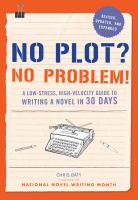
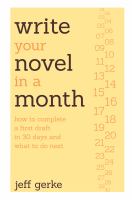
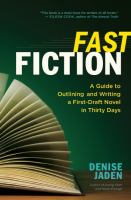
There are also tons of great books that can help you win NaNoWriMo:

#3: Exercise: No, Really.
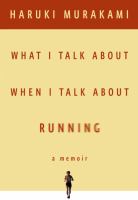
I'll be the first to admit that I don't do this one as often as I should, but many writers swear by exercise as part of their creative routine.
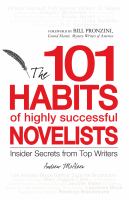
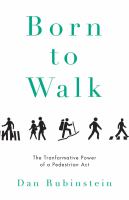
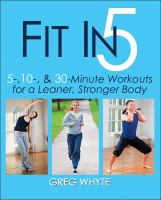
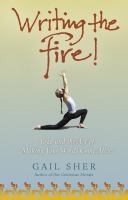
Exercise is one of The 101 habits of highly successful novelists. "Different forms of physical activity enhance your creative juices" (page 100), which can give you that extra creative boost you need this November. If you don't normally exercise, maybe you could try walking, a really short workout, or yoga to help you write.
#4: Avoid Injury: Write Right
For the month of November, you need to think of yourself as a star athlete. Everyone's cheering for you to reach that 50K and you have an arsenal of tips and tricks to help you win. You may even be on a word count roll, but if you get injured and can't keep writing, you're out of the game.
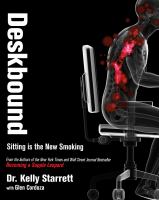
NaNoWriMo involves a lot more sitting and typing (or handwriting?) than your body's used to. You may not see the inherent danger, but according to Deskbound: standing up to a sitting world, "sitting is as much an occupational risk as lifting heavy weights on the job" (page 7).
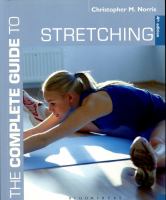
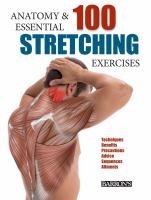
So what can you do? Make sure you write right. You could try a standing desk. If you sit, make sure to use an ergonomic workstation. Even if you're writing at a coffee shop or the library, keep an eye on your posture and write right. Also, don't forget to take periodic breaks and stretch, especially when your wrists start to ache.
#5: Don't Stop on Day 30
When I blog about NaNoWriMo next year, I would love to include your book as one of this year's NaNoWriMo success stories.
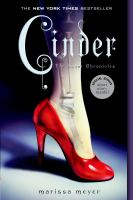
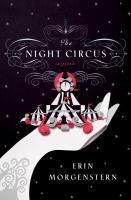
Over 250 NaNoWriMo novels have been traditionally published. Did you know that Marissa Meyer’s Cinder, Rainbow Rowell’s Fangirl, Sara Gruen’s Water for Elephants and Erin Morgenstern’s The Night Circus are among them? If you'd like to find out more, a colleague of mine wrote a blog post last year that talked about published NaNoWriMo novels. These novels were started in November, but they didn't end there. As these authors can attest, NaNoWriMo is just the beginning… it's the first draft of that story that's been trapped inside you. Then comes the hard part: editing, editing and more editing. Plus, many novels are a lot longer than 50,000 words. So when it's December 1st, and you're just glad it's over, remember that it's really not. Finish that novel. Edit it. Make it perfect. And don't forget to let me know, so I can include your story in next year's NaNo post!


It's Time to Start Writing!
Well… not quite yet. If you have NaNoWriMo advice you swear by, please post it in the comment section below. I'd love to hear what works for you, and I'm sure other Wrimos would too.
Okay. Deep breath. Here comes the hard part. You're at that point that you were trying to keep at bay by reading this post in the first place (unless you just discovered NaNoWriMo, in which case, welcome aboard!). Right now, it's time to stop procrastinating and start writing. There's really no advice that will help you put down one word after the other the way a writing session can. Which is why I'll take my own advice, retire my librarian blogger hat (at least for today), and get to work. After all, those 50,000 words won't write themselves.
Comments