The rise of the department store
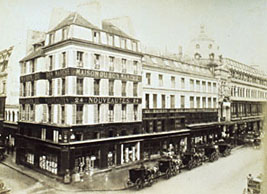
(Le Bon Marché, Paris, 1867)
Can you picture a world without Walmart, Zellers or The Bay? It's hard to believe that there was a time when people bought what they needed from local markets, small shops and even directly from craftsmen and street vendors. During the Elizabethan age shopping was about acquiring basic necessities, not self-indulgence. By the eighteenth century shops became more elaborate allowing customers opportunities to browse and to be enticed by artistically displayed goods.
During the Industrial Revolution people started to earn more money and a middle class began to emerge. This, in addition to cheaper factory-produced goods, created an expanded consumer demand that could no longer be met by small retail outlets. In fact, the department store introduced people to the fine arts and to new styles and ideas. Up until the 1830's shops tended to be specialized but when Aristide Boucicaut founded Le Bon Marché in 1852 in Paris, now considered to be the world's first department store, retailers everywhere sat up and took notice. Le Bon Marche inspired the growth of department stores around the world with names like Macy's, Marshall Field's, Strawbridge & Clothier, Lewis's of Liverpool, Eaton's and many others. Over the years department stores have provided a wide range of consumer goods from fabrics to plants and automobiles to airplanes. Although the recent recession has taken its toll on department stores, they show a determination to survive by continuing to reinvent themselves.
To read more about department stores, check out these books:


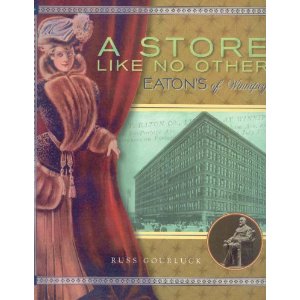

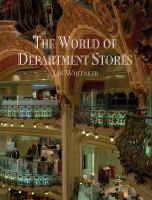

2 thoughts on “The rise of the department store”
Great post! Walter Benjamin’s “Arcades Project” would also fit nicely in this list.
Thanks for the suggestion!