Cheers to the wine industry

Winemaking has been around for thousands of years. In fact, the story of the discovery of wine can be traced back to an ancient Persian legend. It seems that one of King Jemsheed's concubines had such painful headaches that she drank a jar of fermented juice that had been labelled "poison" preferring death over continual pain. She fell asleep, awoke refreshed and once again drank the "poison" and finished the jar. After communicating this wonderful discovery to the King, a new batch of wine was made for the King and his court to enjoy.
This myth may have a grain of truth in that wine was probably discovered by accident. Grapes, either fresh or dried into raisins, would have been kept for eating in a pottery jar, a stone bowl or even in a hole in a rock. At some point it may have turned into juice and would have completed the fermentation process. Whoever sampled the juice would have been pleasantly surprised.
Early settlers of the Niagara region cultivated hearty and vigorous vines that could withstand the extreme heat, humidity and winter cold. As a result, Ontario has become the largest producer of grapes and wine in Canada with the majority of wineries located in the Niagara Peninsula, Prince Edward County, and the Essex Pelee Island Coast. The two largest Canadian wine-producing companies are Constellation Brands and Andrew Peller Ltd. both producing a large portfolio of brands and sold in all provinces. In Ontario wine-making contributes $346 million to the economy. The wine industry delivers significant value added economic benefits to wine producing regions across Canada. In fact, every bottle of Ontario VQA wine sold in
the province generates $12.29 in added value (above sales and direct
markups) to the Ontario economy (KPMG Study of the Ontario
Economic Impact of Ontario VQA wines, Nov 2011) while the Canadian wine industry contributes $6.8 billion in economic impact annually .
Employment in the Canadian wine industry also provides a value-add to the economy by directly employing 3,850 people in 2011, plus indirectly employing
an additional 14,400 in other areas such as restaurants, wine stores, tourism, and research and education.
Canadian winery employment has more than doubled since 2000. Between
2000-2011, industry employment grew at an annual rate of 10%,
compared to a decrease of almost 2% per year for the Canadian
manufacturing sector as a whole. (Statistics Canada).
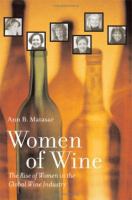
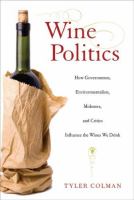
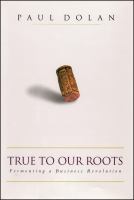
To read more about the world of wine, take a look at these books:

Comments