Titans of American industry
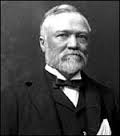
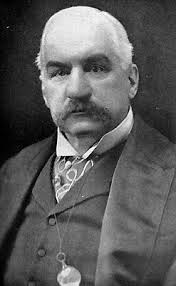
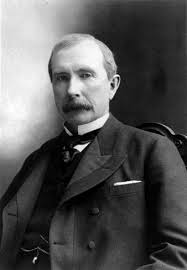
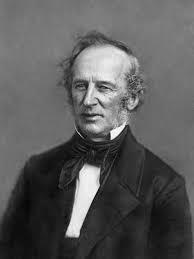
Andrew Carnegie J.P. Morgan J .D. Rockefeller Cornelius Vanderbilt
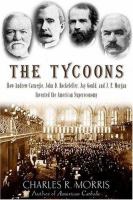
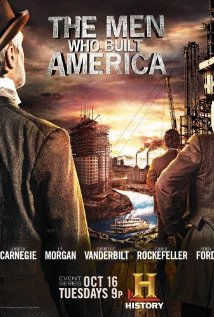
In the waning days of the American civil war Cornelius Vanderbilt, John D. Rockefeller, Andrew Carnegie and J.P Morgan were beginning careers that would help America become the richest, most inventive and productive country on the planet. Through their drive, ambition, and business savvy, they created some of the greatest industries of our time.
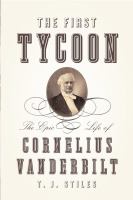
Shipping magnate Cornelius Vanderbilt began making his fortune by running ferries from New York’s harbours filled with cargo and people. He began his entry into business at age 16 with a $100 loan from his mother that he used to buy a ferry. The New York Central Railroad became the centerpiece of his railroad empire, and he owned the largest rail company in the world. He envisioned a monument that symbolized his grand power, and construction of the Grand Central Depot began- today known as Grand Central Station. It was the biggest building in New York City and the largest rail-station in the country spanning 22 acres.
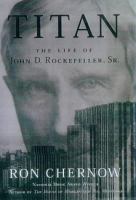
As a boy John D. Rockefeller sold candy to neighbourhood children using the money to help support his family. Later he would go on to loan money to neighbours at interest to earn money. At 24 years old, he invested everything that he owned into his first oil refinery and made a deal with Vanderbilt whom he supplied with the cargo he needed to make his railroad successful. This move gave Rockefeller the opportunity to corner the oil market. After offering his competitors an opportunity to sell to him early and in exchange receive cash and stock in Standard Oil, he established the country's first monopoly and became the most powerful man in the country. He then decided to build a pipeline to bring his own oil to his refineries which, once completed, was over 4,000 miles long.
Andrew Carnegie, although well-known for his philanthropy later in life, made his fortune in the steel industry.While working for Pennsylvania Railroad early in his career, Carnegie began investing in various business ventures. He left the railroad in 1865 to focus on his other business interests, namely steel. By the late 1880's, the Carnegie Steel Company revolutionized steel production in the United States and had become the largest company of its kind in the world. He built plants around the country, using technology and methods that made manufacturing steel easier, faster and more productive. For every step of the process, he owned exactly what he needed: the raw materials, ships and railroads for transporting the goods, and even coal fields to fuel the steel furnaces. This strategy helped fuel the economy and helped America become the nation that it is today.
John Pierpont Morgan was born into a financially well-off family and took over the family banking business after his father's death. He began making changes by moving from safe loans to riskier venture capital loans. In 1892 he financed the merger of Edison General Electric and Thomson Houston Electric Company to form General Electric. Not only did Morgan invest and loan to businesses but he often bailed out financially strapped organizations such as the U.S. Treasury in 1895 and New York banks during the Panic of 1907. By investing and lending money to various business enterprises, Morgan played a crucial role in helping to expand business in the United States during the progressive era.
To read more about these titans of industry and how they were responsible for building massive empires in America, check out what the library has to offer:

Comments