Managing your debt
Reducing your debt doesn't have to be painful, but you will need a strategy to get started. Most importantly you will need to make small changes to your spending, borrowing and saving habits. Here are a few ways to take control of your debt:
Make a budget
Preparing a budget will allow you to take charge of your spending habits. Make a list of your income, expenses and spending and see where your excess money is going. Any extra money at the end of the month should go toward paying down your debts. The federal government's Office of Consumer Affairs provides information on budgeting as well as tools you can use to keep track of your expenditures.
Get budget counselling
If working on your own to solve your debt issues is too difficult Credit Canada, a non-profit organization that provides free credit counselling and debt help, will do a complete review of your financial situation and help put you back in control of your finances.
Contact your creditors
Make a list of your creditors and then contact each one. Try to negotiate lower monthly payments, a longer period to make your payments or a lower rate of interest. A credit counsellor can also do this for you.
Combine your debts
You can repay your debts to all your creditors at once by getting a debt consolidation loan from a bank. This way you will only have one monthly payment to make usually at a lower interest fee than you are currently paying.
Contact your mortgage lender
The Canada Mortgage and Housing Corporation (CMHC) suggests contacting your mortgage lender as soon as you realize you might not be able to make your mortgage payments. They will work with you to find a solution.
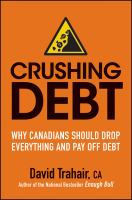
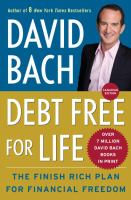
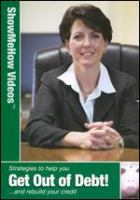
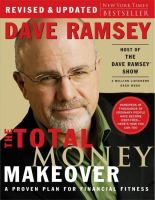
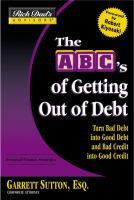
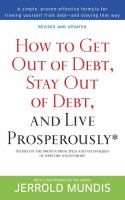
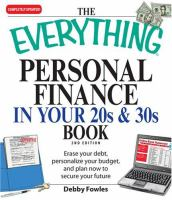
Your library has a wealth of information on budgeting and paying down your debt. Take a look at these books and DVDs:

Comments