The Iron Road
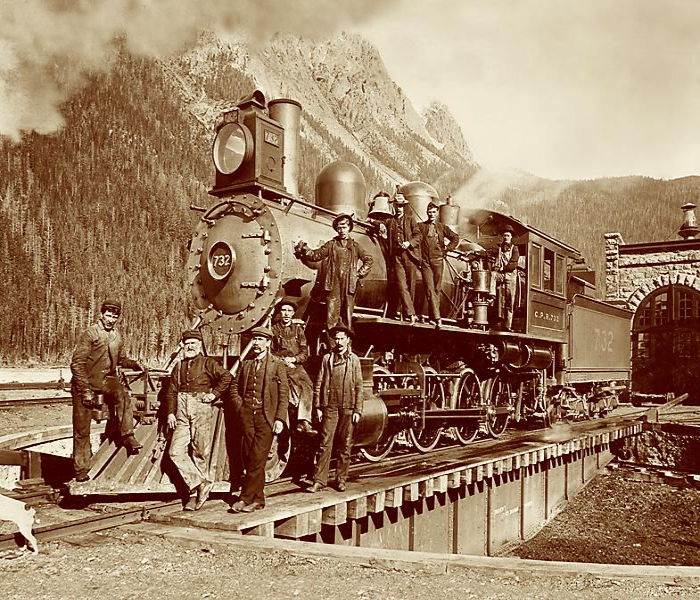
(image courtesy of truewestmagazine.com)
In 1835 construction began on Canada's first railway from Saint Jean, Quebec to La Prairie, Quebec and was called the Champlain and St. Lawrence railroad. Soon, numerous other rail lines were built: the St. Lawrence and Atlantic Railroad connecting Portland, Maine to Montreal; The Great Western Railway, which ran from Niagara Falls to Windsor and was completed in 1854; and the Grand Trunk Railway which operated in Ontario and Quebec and in some of the Eastern US states. The Grand Trunk Railway of Canada linked Toronto and Montreal in 1853 and then merged with the St. Lawrence and Atlantic Railroad line which linked Portland to Montreal, added the Sarnia to Toronto and Montreal line in 1860 and then built lines to Michigan and Chicago. By 1870 it was the longest railway in the world. Canada's first transcontinental railway linking British Columbia with Eastern Canada, the Canadian Pacific Railway (CPR), was completed in 1885 and was considered an engineering marvel for that time.
Before rail travel it could take months to cross large countries like Canada or the United States. People rarely travelled beyond their towns or communities. This lack of quick transportation had broad ramifications: quick access to food during lean times could mean the difference between life and death; there were few opportunities to meet potential spouses if distances were too great; sending and receiving mail would take days or weeks; newspapers contained old information; the sharing of new ideas and technology was limited.
And then came the railroads. Suddenly, people could work farther from home; vacation travel now became possible; modern ideas were exchanged through national conferences; armies as well as munitions and food could be easily transported to battlefields. Railways quickly became vital to economic growth by lowering the cost of goods and making the movement of perishable products like milk, vegetables and meat in refrigerated cars possible. The spread of railroads created a huge number of jobs and helped foster industrialization and urbanization. Almost overnight local producers were presented with larger markets and competition for their goods.
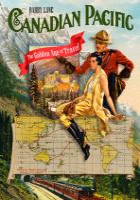
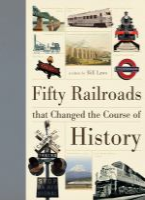
The story of the railroads is a rich one that continues to fascinate. To read more about the history of the iron road and its impact on Canada and the rest of the world, take a look at the following books and DVDs:



Comments