Buying or selling a car?
I recently bought my first car. I lived in the downtown core for years, so I never really needed one until now.
 Ok, so this is not the car I bought. But a girl can dream.
I bought my little commuter car used, and let me tell you (though I am sure many of you already know) that you need to do a lot of research. Especially if you are buying from a private seller instead of a dealership. It may be a cheaper approach, but it comes at the cost of having to really do your research. Otherwise you may end up with a lemon wishing that you had.
You need to know things like: the vehicle history, whether it has been certified, if there have been any recalls on the model, what the gas mileage like, consumer ratings, etc.
Here are some resources I found invaluable during my research:
Fuel Consumption Ratings by Natural Resources Canada. This handy tool had a major impact on which vehicle I ended up deciding on. I like saving money on gas, what can I say. Bonus: my car is a little easier on the environment.
Consumer Reports. Most people are familiar with the go-to resource for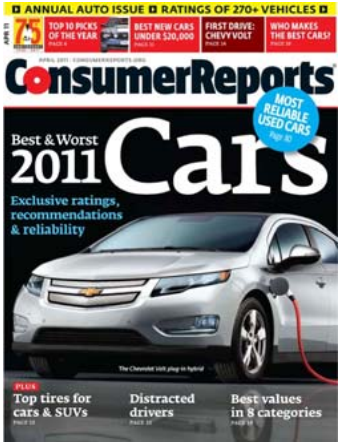 product reviews of all kinds. But did you know it has information on cars? Most branches have subscriptions to the in-print periodical, and it is also available online through our Articles & Online Research portal (library card required to log in). When it comes to vehicles, Consumer Reports is the place to find information on: new cars, used cards, prices and deals, car buying advice, tires & car care, car safety, and car repairs.
Canadian Red Book. Published by the Federation of Automobile Dealer Associations of Canada, this periodical published multiple times a year includes information on official used car valuations. There is also a Canadian Older Car/Truck version as well. Nearly every branch caries this publication.
The Ministry of Transportation's website. This should be a source that anyone owning, buying, or selling a car in Ontario checks out. I specifically relied on their information regarding Buying and Selling a Used Vehicle in Ontario. It covers what you need to do, the paperwork you will need, and where you need to go to get it all done.
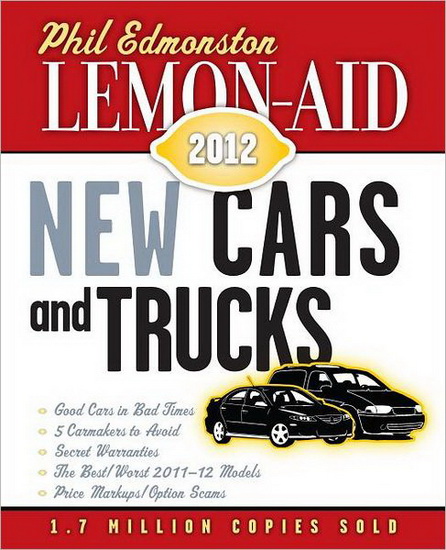 Lemon-Aid. This is a buyer's guide published every year or two by the Automobile Protection Association (APA). There is a Used Cars and Trucks edition, a New Cars and Trucks edition, and a SUVs, Vans, and Trucks edition. Many larger branches have copies, and some information is also available on APA's website.
Lastly, the Recommended Websites section of the TPL site lists these other car-related free resources recommended by our librarians.
Unfortunately, no matter how shiny and new your car is, it will inevitably come time to do some repairs. I became quite familiar with this fact after I hit an enormous pothole in that day of torrential rain we had last week. While some things require an expert, for others the Chilton's guide can help walk you through it. Chilton’s Auto Repair guides are available online, also through the library's Articles & Online Research portal.
10 thoughts on “Buying or selling a car?”
How timely, I just sold a used car! I agree that the “Buying and Selling a Used Vehicle in Ontario” guide is very good. They’ve done a good job.
The thing that surprised me a bit was paperwork requirements for the sale. The buyer needs to present a valid E-Test and Safety Certification when they go to transfer the ownership. The E-Test lasts for a year but the safety certification is valid for roughly a month.
Great post!
Thanks!
Yes, it seems to be the time of year when people want a new set of wheels.
The paperwork thing surprised me too. And it made things a little daunting as a first time buyer. But it was so handy that they lay it all out for you on the “Buying and Selling a Used Vehicle in Ontario” page.
Whether you are purchasing a car from a dealer or from a private seller, it is best to familiarize yourself with the car that you are buying. Also, double check the car –both inside and out. And don’t settle for the first car that you see, always look for options and compare. Be smart and get yourself a good investment.
Thanks for sharing these sites! However, these sites will only provide you with the basic information of a car. I would still suggest that you check the car personally right after you’ve checked and reviewed your prospected car from these websites. These websites can help you look for the car that you want, but still, checking the car personally would help you know the overall car’s performance.
Some really great information here. I have always been a fan of buying used cars so its important to have as many resources on what I’m buying as I can! Ive bought a few used cars in NJ and my experience has been wonderful ever time. Finding quality service really matters.
When buying a car from a private person, you should also know the history of the owner. One time, my cousin bought a car from somebody without asking anything from him. We just found out that the car was stolen and that he’s not the original owner. Now my cousin is facing is the consequences of it.
Thanks for this information. I am buying my second car used, and I’ve been doing my research because I want to get the best quality at the best price. These sites should definitely come in handy. Have you heard of CarFax? My friend told me about it, and it gives the accident history of the car, if there is one. Thanks again.
No problem! And CarFax is another good resource. Thanks for sharing!
Erin has summarized very well the print and online resources both buyers AND sellers of used cars ought to be aware of before they go about buying or selling. Each side of the transaction will have greater respect for the other and derive greater satisfaction when the deal is done if they know that his/her opposite has done their homework with these data bases. The MOT website is definitely required reading beforehand in order to avoid disappointments and delays at the time of ownershio transfer.
Thanks Bruce. Glad you thought it was a good summary 🙂