Preparing for Programming: Seven Misconceptions About Learning Computer Programming
An openness to learning is the most important skill a computer programmer must have. Whether it's a kid on a summer day learning Scratch, or an adult experimenting with an Arduino after work, success as a programmer is really just finding a new thing, big or small, and devoting a few moments a week to apply it to your existing practices.
While teaching coding as part of the Pop-Up Learning Lab, I've met many people with anxieties about trying to each themselves computer programming, especially anxieties around time and money. In an age when the tools to learn an employable and potentially lucrative skillset are free and accessible to so many, why are so many so scared to try or even Google something?
"Is this the best language to learn or am I wasting my time?"
"Should I be limiting my kids' screen time, even if that time is supposedly educational?"
"Will learning code finally get me a job?"
I've been asked tough questions, and no answer is right for every person at every time and every stage of life. Before getting into the process of learning to code, let's challenge some misconceptions and hopefully ease some stress. Coding is not a Hulk-smash brute force job, and managing anxiety, stress and uncertainty is a big part of progressing.
SEVEN MISCONCEPTIONS
1) "I Need to Know/Like/Love Math"
Many coding classes have more in common with writing and poetry than with math.
One thing is true: math classes have really messed a lot of people up. The inability to calculate at a moment's notice, often in front of an entire class, has created a huge mental barrier to approaching coding for many potential programmers and negated the creative and problem-solving nature that math shares with coding.
Yes, you do need to confront your own Math Anxiety to progress as a computer programmer. But to get started, if you can read a restaurant bill, calculate the tip (even with an app on your phone) and pay it in cash, you have all the necessary skills and resources to start learning to program.
Computer programming may even help you learn math and will give you a better appreciation for both its theory and applications. Also, I can't believe how much of a nerd I am for saying that but I digress…
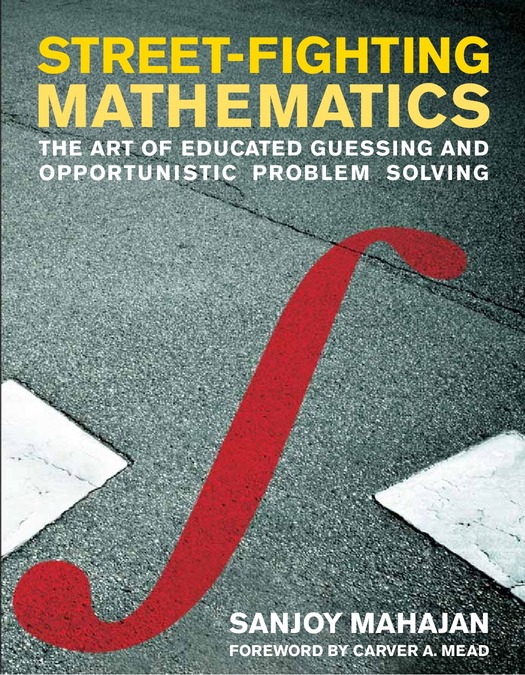
Check out Street-Fighting Mathematics (which is also a MOOC available through edx.org) for a fresher approach to learning and applying math. But don't get too hung up on math if your focus is getting started with programming.
2) "I Have to Go Back to School"
It is absolutely possible to teach yourself to code, but your mileage may vary. Learning to code on your own can be time consuming, and the money spent on school will absolutely save you research time. On the other hand, if you can manage your own time and expectations, you can get pretty far with something like freecodecamp.org.

Whether you go to a bootcamp, a college, a university, or sign up for MOOC's, you still have lots of work ahead of you. But don't feel forced to drop a ton of money or even quit your day job.
For more tips on how to self-direct your own learning, check out Soft Skills: The software Developer's Life Manual, available through our Safari eBook collection.
3) "I Need Expensive Equipment/Software/Computers"
Coding is like writing, and doesn't actually require high-end software and hardware that you might see for, say, video editing.
For most beginners, learning a popular language like Javascript or Java, an everyday laptop built in the last 4-6 years is more than enough to run beginner friendly coding environments like Processing – if your computer can run Chrome, you can even check out the p5.js web editor.
4) "Coding isn't for girls/women"
This sexist misconception is absolutely false and worryingly corrosive. Women are part of our market, our workplace and our society, both digital and real (digital is increasingly real but I digress…). It disappoints me to hear teenage girls say coding is for boys and hearing how uncomfortable women may feel in the tech sector.
Whether it's true or not that each gender possess different dispositions or skills, this fact is true of people in general, no matter gender or race or sexual orientation or income level, and should not stop a potentially excellent programmer from trying to learn.
While I hate forcing anyone to try anything, I do think more women should learn to code because it appears we all benefit in a really short amount of time. In just five years, Ladies Learning Code rapidly grew to teach girls, students, teachers and even all of Canada.
5) "Coding isn't fun"
This is probably the truest of the misconceptions, but only if we try to do too much at once. The work of learning programming can be difficult and mind-numbing, but the genuine joy of computer programming is the satisfaction of creating a great, useful program, and that takes time.
When learning on your own, frequency is better than volume. Twenty minutes of practice a day for five days a week can be better for some people than 100 minutes straight just once a week. If the 20 minutes you scheduled feels like a chore, cut it back to just 10 minutes. When you start to enjoy the work, go ahead and take more time.
Note: while this may be the truest misconception, it may not be for long as many kids are actually starting to think coding is cool.
6) "I'm too old to learn to code"
This is the easiest myth to bust and the one I probably hear most outside of my classes.
First, existing knowledge and skills are helpful when learning to code. Sure you may have to increase your font size, but the age argument usually points to a learner hesitant to look silly or unsure around younger people.
Second, the tech sector changes constantly, always presenting new opportunities for beginners and professionals alike. This is where maturity really helps: the playing field is constantly shifting, so wisdom and soft skills are a huge asset in the long run.
7) "Everyone should know how to code"
This argument skips over the nuances and diversity within technology today, and within life in general (because, you know, not everything in life is entirely digitized; and how exactly can one learn to code if they can't read and write?). Everyone should be introduced to programming and should try it in a safe and comfortable environment, but we can't force feed computer programming and expect everyone to have it mastered.
I do agree, however, that everyone should be introduced to concepts and topics in computer sciences. Algorithms, the internet and its history, cryptography, cryptocurrencies, hacking, human/computer interaction, digital citizenship and ethics, cyber security – coding can be a component in all of these, but not the end goal.
Our best tools and services, whether they are digital or analog, were designed to put people and their experiences first – their efforts, their curiosities, their needs, their pains and their pleasures. Not everyone should know how to code. But everyone should know how code can help people and make awesome experiences for some of us.
Interested in trying out programming with the Library?
Check out coding classes available at the Pop-Up Learning Labs and at our Digital Innovation Hubs
Visit hello.processing.org to try out Processing in your browser
Look up courses on Lynda.com, like Computer Science Principles: Programming
Stay tuned for another post on computer programming for beginners!
–With thanks to David Cadiente, Toronto Public Library Pop-Up Learning Lab Technician
Comments