Draw Your Data
What does our personal data say about who we are? We all generate massive amounts of data and it is nearly impossible to go "off grid" these days. Our data is tracked, stored, interpreted and monetized. Most often, we're not the ones benefiting from this knowledge production. Few of us have the ability to confidently examine or interpret our personal data.
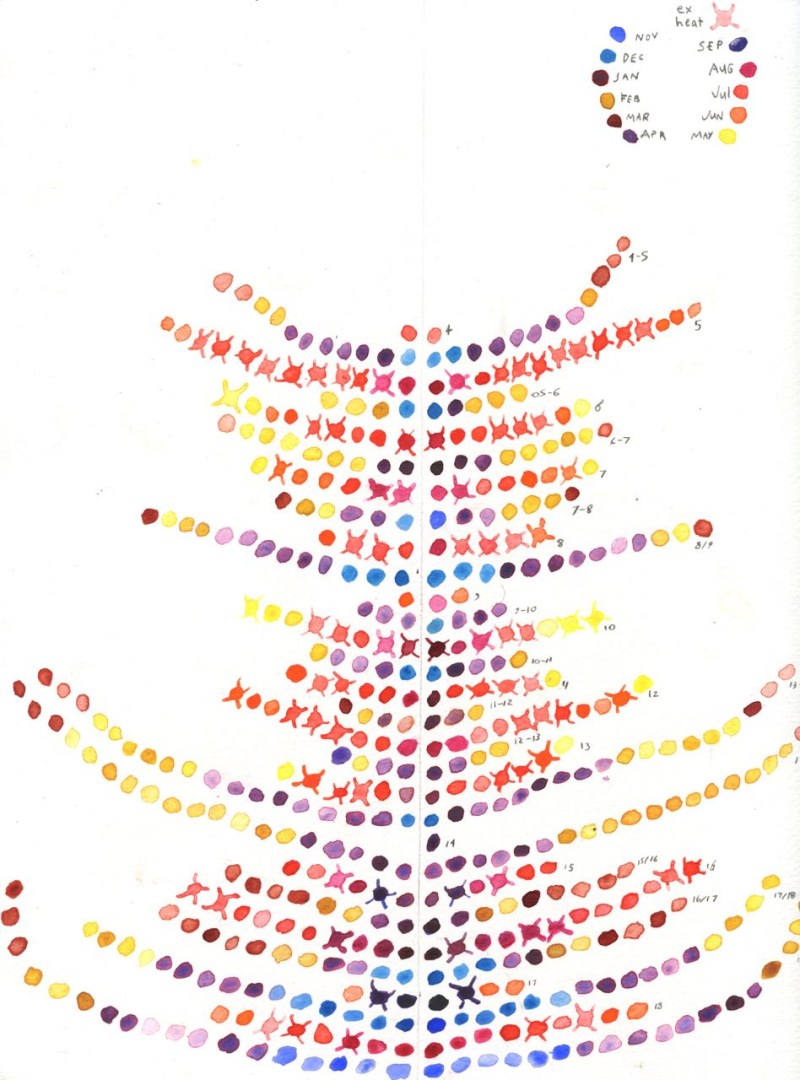
This year I started experimenting with turning my personal data into pattern design. The process changed the way I relate to my information and showed me the infinite possibilities of data visualization. Below are two drawings I did based on personal bio-metric data.
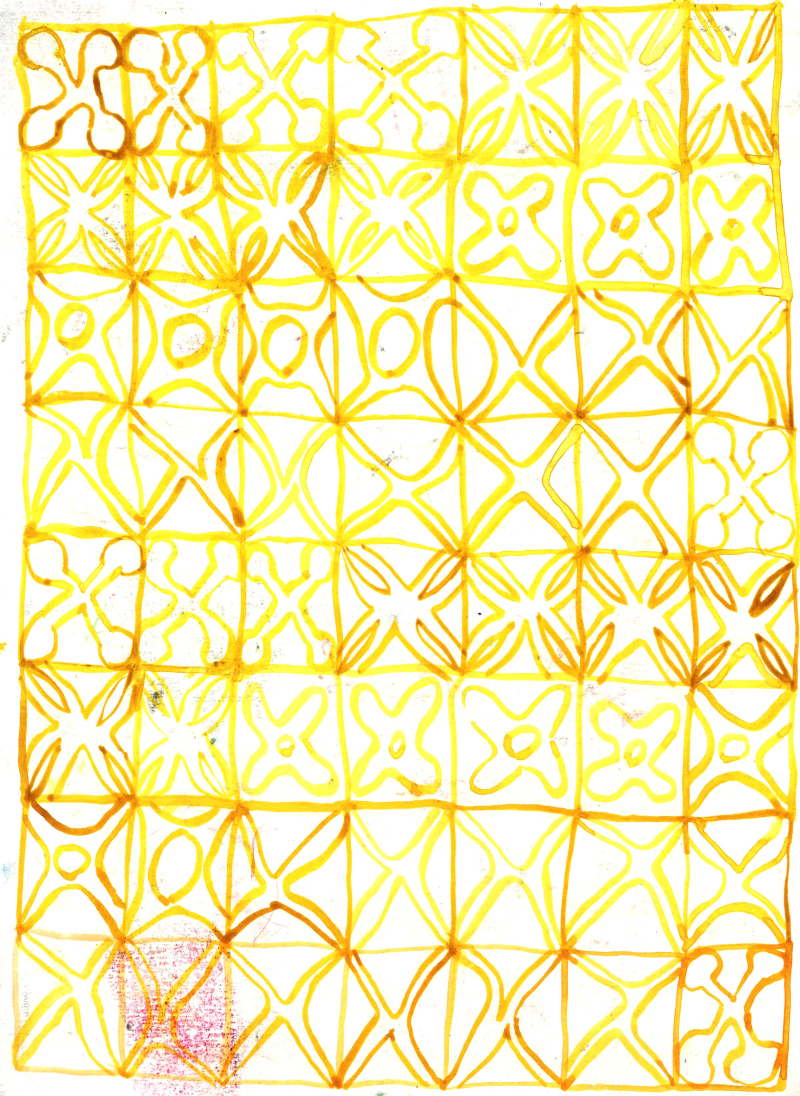
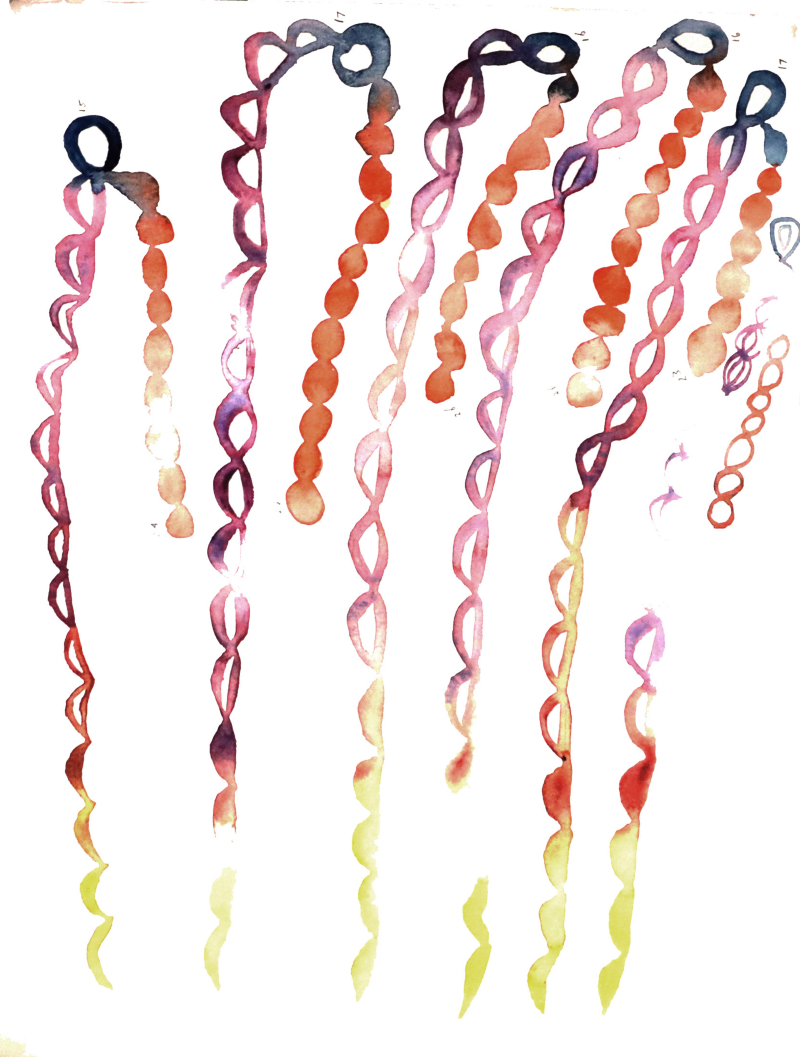
Since data collection is now pervasive, it’s worth stopping to consider the data trails we produce and how they may be used. I recently finished studying Culture and Technology at the University of Toronto where I developed a new interest in the politics of data. Now that I’m a librarian, I wanted to design a workshop for people like myself who are concerned about digital surveillance, but didn’t study computer science. I’ve developed a two-hour workshop called Draw your Data which I’ll be running at Toronto Reference Library on November 27, starting at 6 pm.
This workshop will explain how to use drawing tools (pencil crayons) to unpack a small selection of personal data. Each participant will create their own self portrait by representing personal data. The manual process of selecting, extracting, cleaning and representing our information slows us down to think differently about our data trails and the power of information design.
There is value in looking at “small data” and value in experimenting with ways to describe it. The information designer, Georgia Lupi, has inspired this workshop by showing me the value of looking at small data and using drawing as a method. She has written and interviewed many times about the importance of humanizing data. She recently released a collaborative clothing line that is using data to inspire textile design, while telling the stories of female technological pioneers, like Ada Lovelace .
No computer science or data analytics expertise required. During the Draw your Data workshop, each participant will be guided through how to look at a self-selected data set using information from our phones or google accounts. These data snapshots won’t be big enough to draw authoritative conclusions, but they will offer an opportunity for self reflection. The slowness and deliberate nature of drawing to process information is valuable. Data experts are welcome. The more diverse and interdisciplinary the group the better!
While preparing this workshop, I practiced data drawings with a few of my own data sets. I learned a lot about the ways that you can manipulate data and make decisions to present a story without being outright dishonest. Each stage of the data drawing process requires decision making, showing the non-neutrality of data visualization.
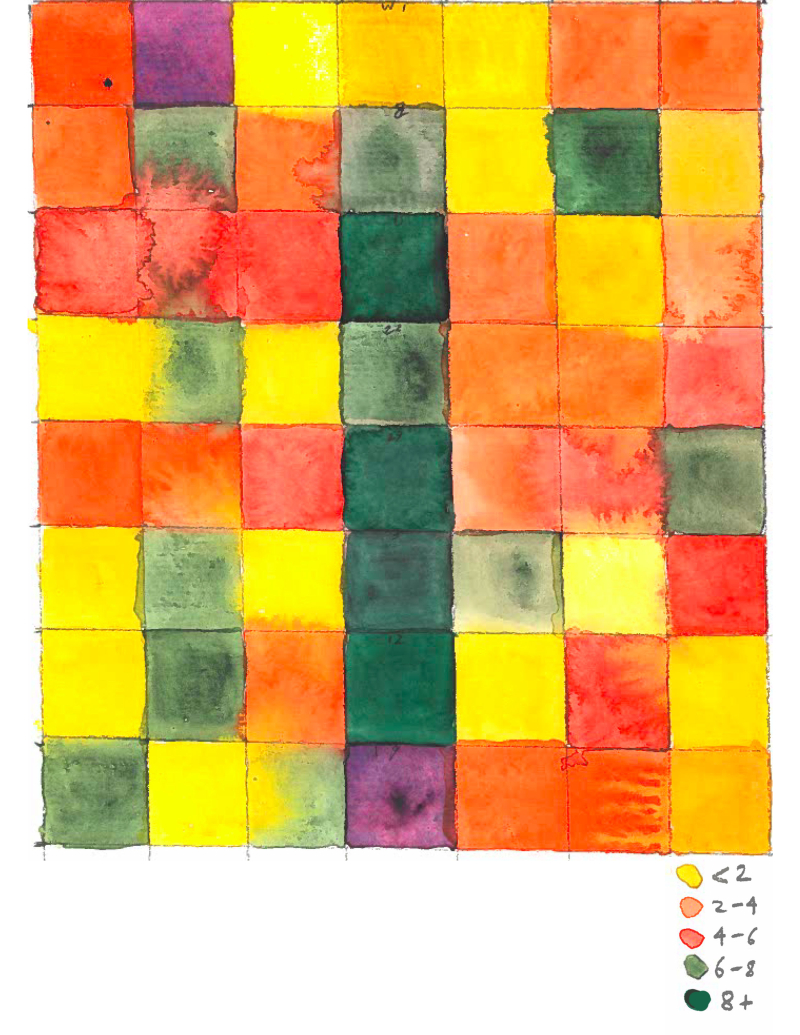
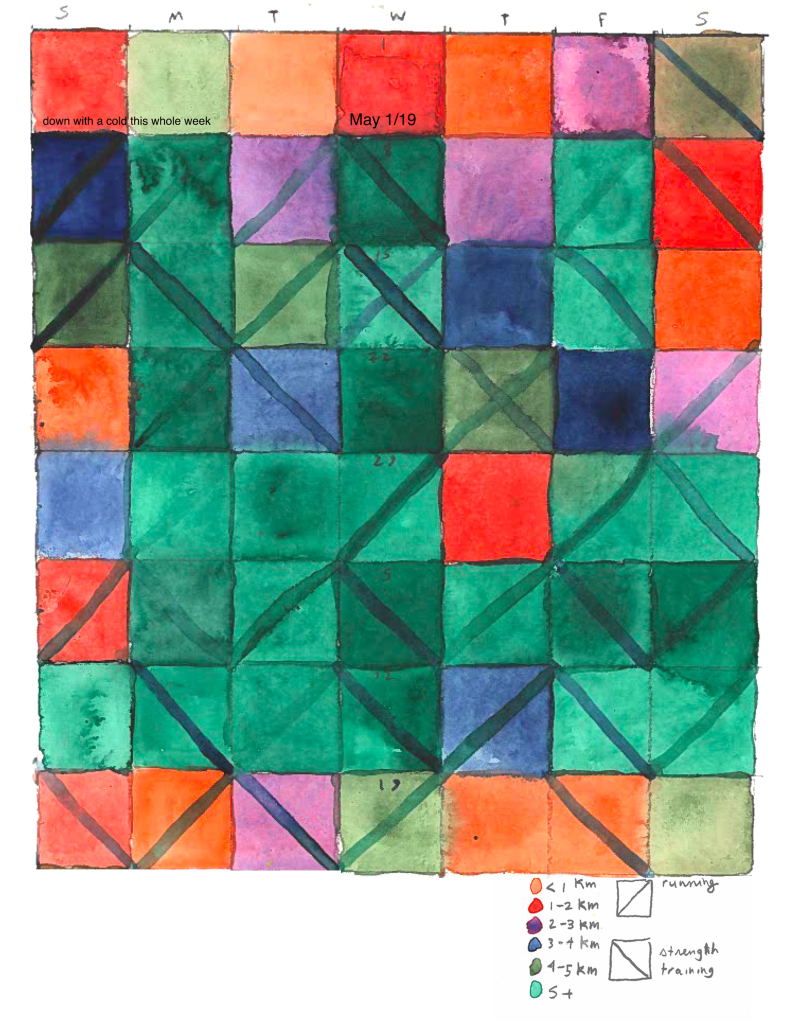
For example, here are two simple graphics that show how much I walked according to the health app on my phone, which was collected without my knowing. I made two versions of the illustration, using water coloured squares to show my level of activity. In the first (above), I set a higher standard and used the health app's information alone, and it made me look sedentary! The second drawing presented the same information differently, and includes layers additional information. The result tells a very different story.
Broader awareness about data visualization is necessary. Infographics permeate all kinds of journalism and aid in the presentation of arguments. Most infographics don't reveal their data sources or disclose the decision-making process behind their design. This means that information graphics are powerful rhetorical tools. Furthermore, we tend to strongly associate data with neutrality, "rawness" and truth. Check out "Raw Data" is an Oxymoron, edited by Lisa Gitelman, for more on this.
Data disproportionately serves corporate interests of companies like Google and Facebook. Given the power of data and data visualization, it's important to make more graphics that represent ourselves and our communities. Designers like Lupi show us that handling and humanizing data not only shifts power, but can also be a beautiful storytelling method.
Data drawings can also be brought to one of our Digital Innovation Hubs, where they can be reproduced in 3D using one of our 3D printers and modelling software. A post-doc researcher Gabby Resch, who works in Toronto, recently experimented with 3D data visualization in a project called InclusiVis. Resch modeled civic information in 3D with the goal of making it more accessible to blind and visually impaired people. There are lots of civic data sets available from the City of Toronto’s Open Data portal.
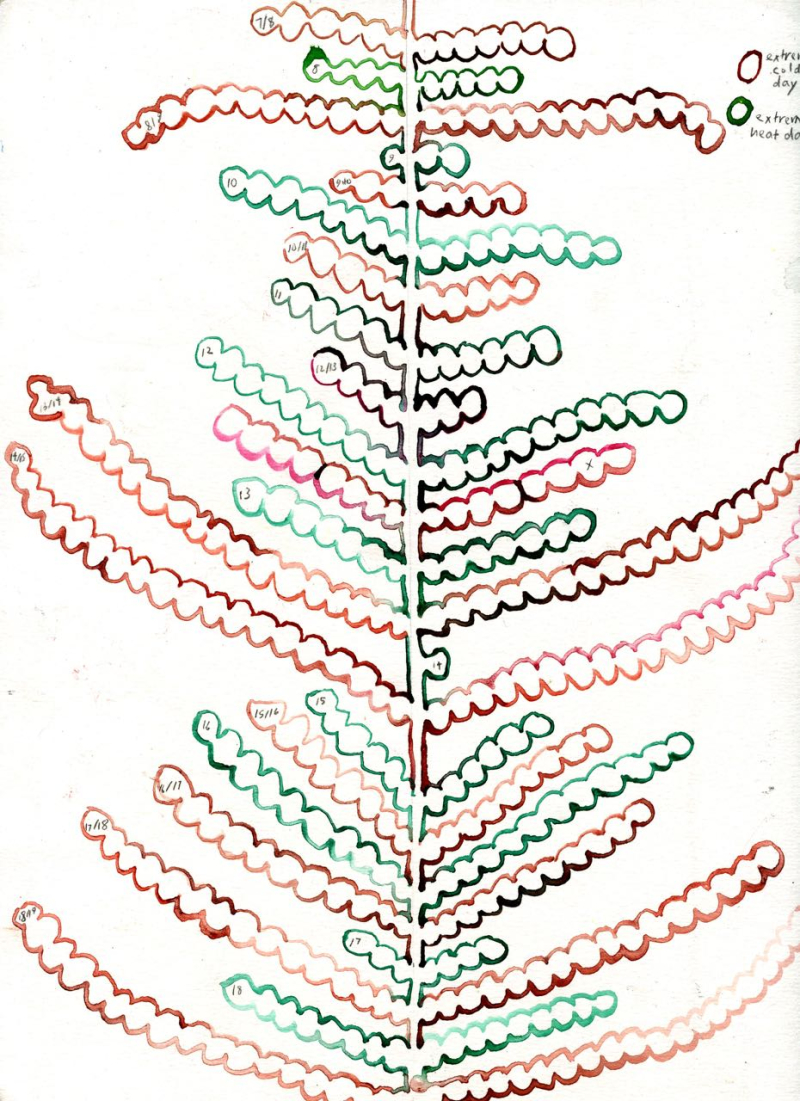
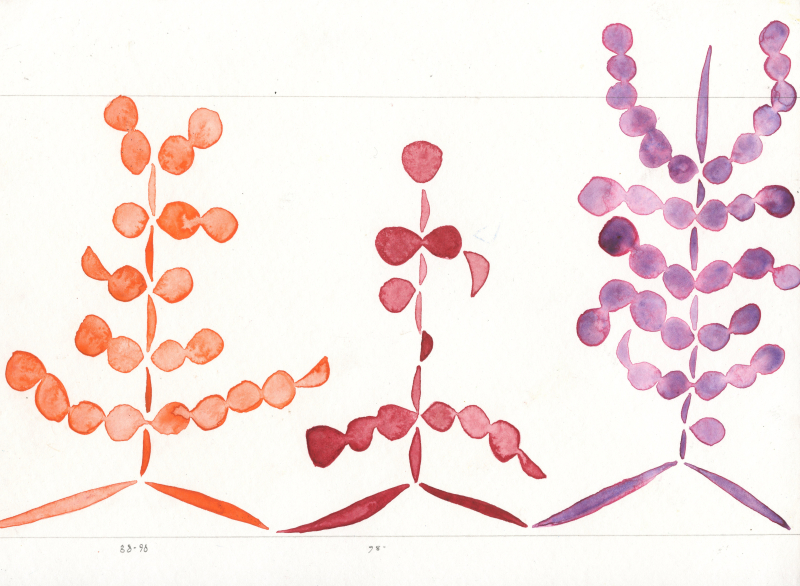
Below are some drawing I made based on City of Toronto Extreme Cold Alerts and Extreme Heat Alerts, as well as information about how much the cost of a bachelor apartment has gone up in the City of Toronto.
Related Reading
If you are interested in reading about information design, check out the following titles:
Dear Data by Georgia Lupi and Stephanie Posavec

Beautiful Evidence, The Visual Display of Quantitative Information by Edward R. Tufte
Graphic Discovery: A Trout in the Milk and Other Visual Adventures by Howard Wainer
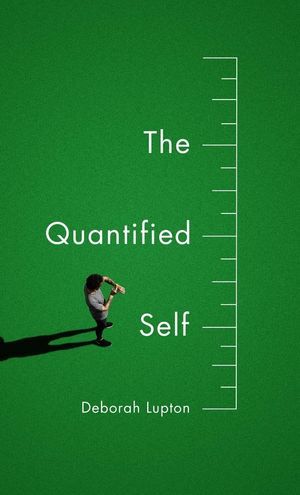
The Quantified Self by Deborah Lupton (Reference copy only, can be read at Toronto Reference Library)

How to Lie with Statistics by Darrel Huff
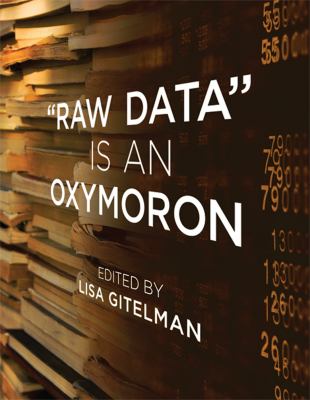
"Raw Data" is an Oxymoron by Lisa Gitelman
For online content that may be inspiring, check out this amazing list of Data Physicalizations. It's a chronological list of physical visualizations and related artifacts, maintained by Pierre Dragicevic and Yvonne Jansen.
Another great place to find out more is the r/dataisbeautiful subreddit on Reddit.
And if you want more hands-on experience, come to the Draw Your Data workshop at Toronto Reference Library on Wednesday, November 27!
12 thoughts on “Draw Your Data”
This looks like fun and some of those results are striking. It’s like Rene Descartes collaborating with Gustav Klimt.
Hi P@ Thank you that’s a generous comparison.
Super cool!
This is fascinating and beautiful! Just registered for your program at TRL 🙂
Nice work
Thanks for sharing this creative work!
This is so cool I look forward to attending the workshop!
Amazing, looking forward to seeing you there.
🙂 see you there
thank you for checking it out!
thanks Bill
thank you Jason !