Do-It-Yourself Pattern Design and Textile Artists
Recently, I came across the limitless possibilities of pattern design while playing with a photo of a painting I made in Adobe Photoshop. A tiny piece of an image can make countless unique variations. At the Digital Innovation Hub, you can even print your design in colour up to 11"x 17" inches, so you could make a thoughtful gift wrap. If you want to make your work more permanent, visit the Fabrication Studio at North York Central Library where you can experiment with heat transferring your image onto fabric. There are multiple potential uses for your printed fabric including a re-usable gift wrap, sewing a simple pencil case or even a printed tote bag.
Never worked with Photoshop before? I'm teaching a workshop, Photoshop Pattern Design at Toronto Reference Library on December 11 in Learning Centre 1 from 6:30-7:30 pm. Come in and learn how to translate a fragment of an image into a personalized pattern.
Here is an example of pattern design that I created using a tiny fragment of my own image (an oil painting).
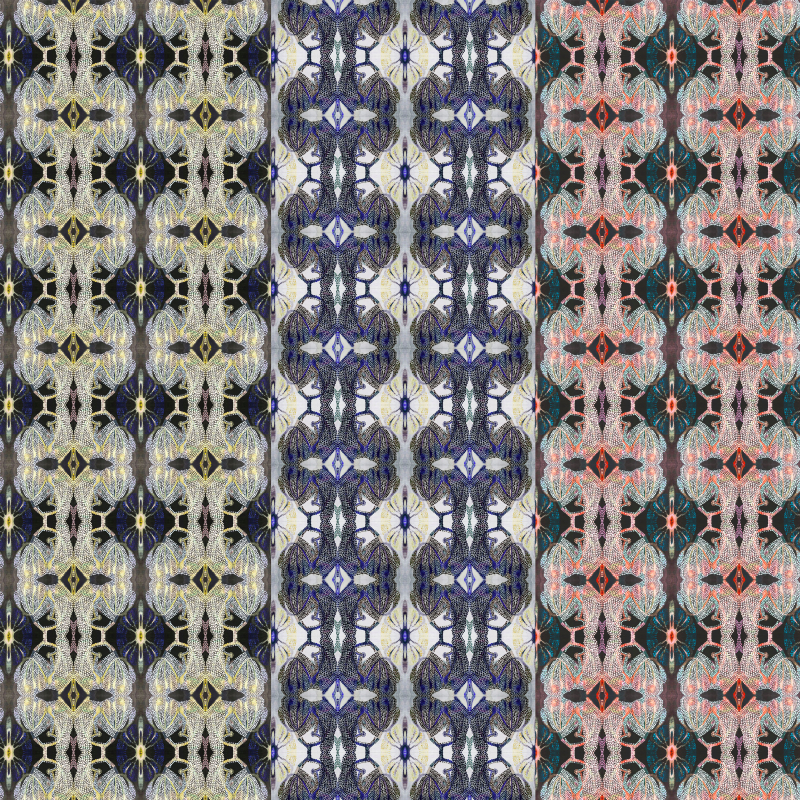
For inspiration, I've been browsing the Toronto Reference Library's broad selection of books on pattern and textile design (Look at section 746 on the fifth floor). In that section I've discovered countless amazing textile artists, and found that many famous modern artists known for their painting also experimented in weaving, pattern design and fashion.
Sonia Delaunay
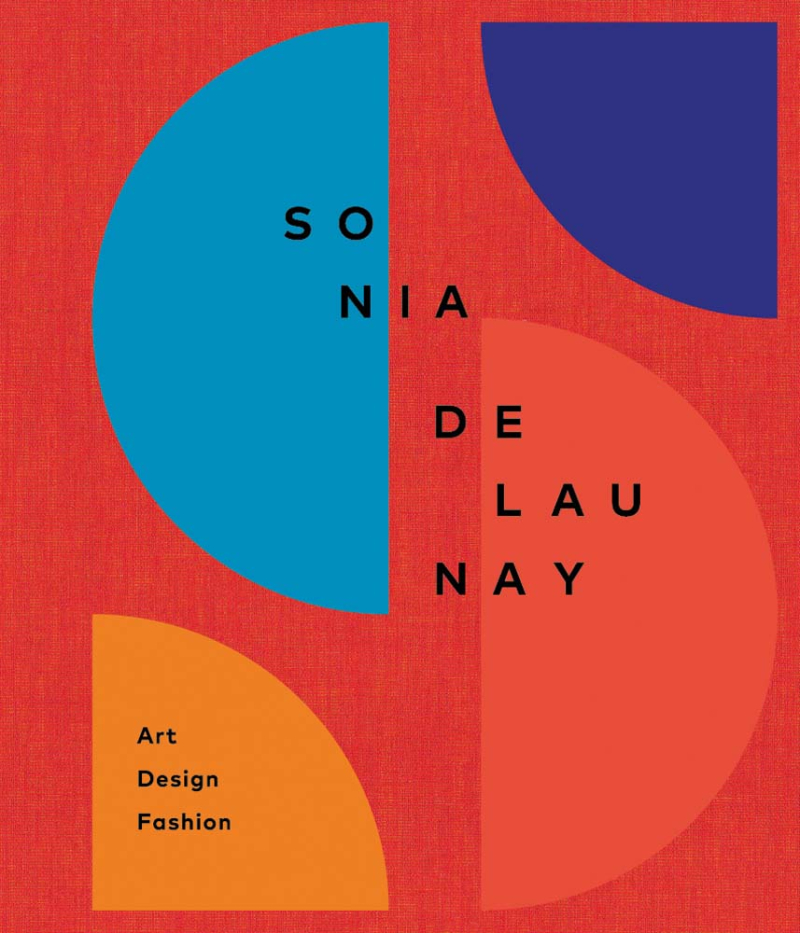
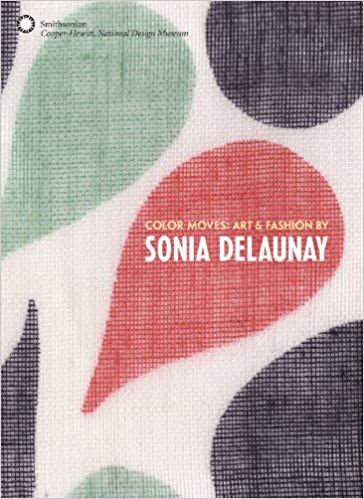
For much of art history, many great artists disregarded textile design as a lesser art form, a minor or applied art. In Jacques Damase's book, Sonia Delaunay, Fashion and Fabrics, I learned about Sonia Delaunay, (b. 1885, Ukraine) who treated fabric as a work of art in its own right. Delaunay, alongside her husband and collaborator Robert created new art movements called "simultanism" and "orphism". Her work is recognized for its geometric simplicity and sharp colour contrasts. Delaunay is also credited as the inventor of the paper cut out technique which Matisse used late in his career. Delaunay translated her painted abstractions off the canvas and into the world of every day objects resulting in a successful career as a fabric designer.
You can read more about Sonia Delaunay in these books:
Gunta Stölzl
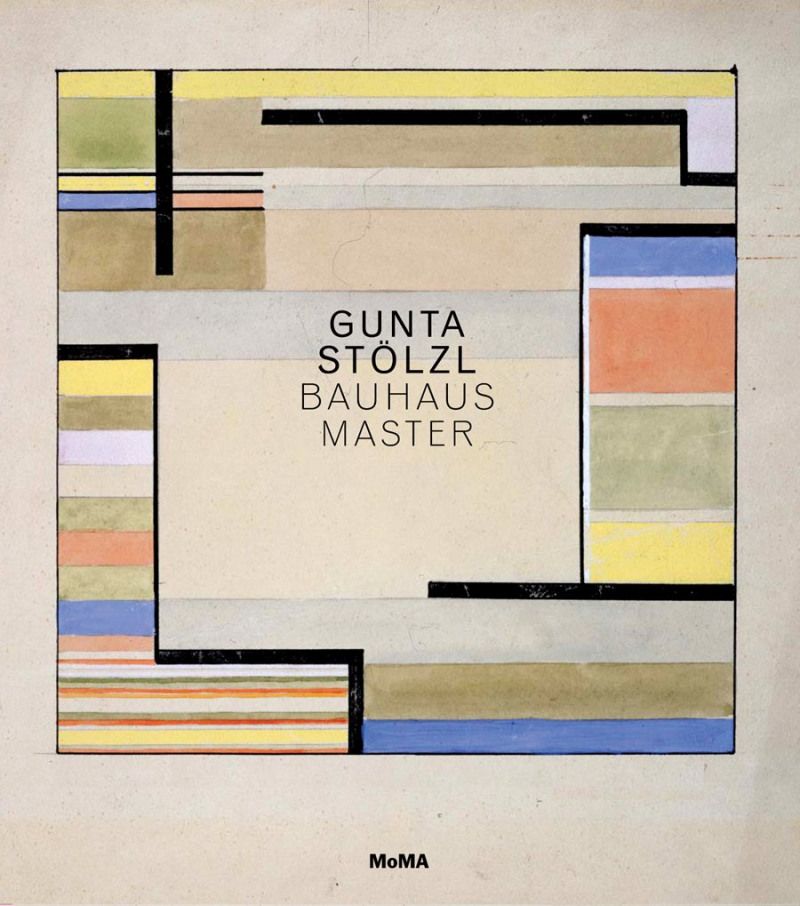
Artists associated with the Bauhaus School like the German Textile Artist Gunta Stölzl (b. 1897) also worked extensively with textile design with amazing results. Stölzl played a crucial role in the development of the Bauhaus' weaving school (initially called the Women's department before it was re-named the Weaving department). Like Delaunay, Stölzl applies modern art theories of colour to her woven work. I find her preparatory drawings and watercolors as amazing as the final textile pieces. See more of Stölzl's work alongside other female Bauhaus masters in Bauhaus Women a Global Perspective.

Anni Alber
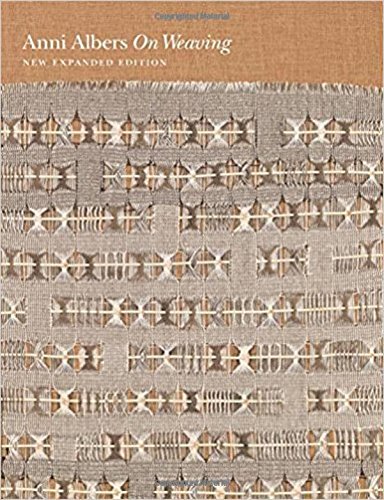
The preparatory drawings of Anni Alber are as satisfying as Stozlz’s, though much more pared down in graphite drawings. Albers (b. 1899), also German, is another great Modern artist who blurred the boundaries between traditional craft and art. Her work has recently gained overdue attention through large retrospective exhibitions at the Tate London and MOMA in New York.

Sophie Tauber-Arp
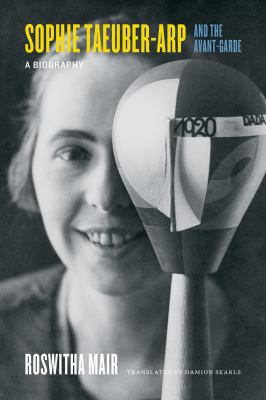
The multi-talented Swiss artist Sophie Tauber-Arp (b. 1889) associated with the Dada movement worked in textile design as well, along with her work as a painter, sculpture, architect and dancer.
Gerhard Richter and Philip Taaffee
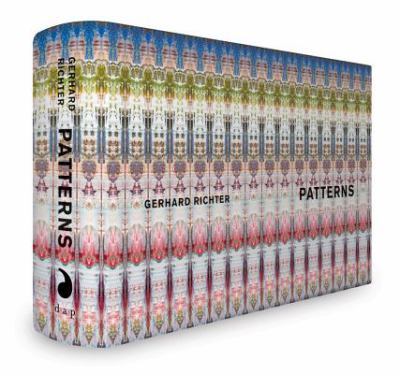
Other artists like Gerhard Richter and Philip Taaffe work with pattern design as part of the painting practices. Patterns Divided, Mirrored and Repeated documents Richter's process of transforming his abstract painting using mathematical processes. The outcome of his replicated image is dizzying and complex. Richter (b. 1932 in Dresden) has been painting for six decades, and has been incredibly prolific and varied in his approach.
Canadian Artists
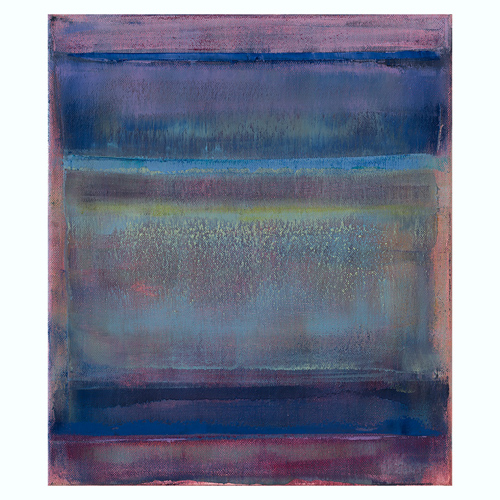
Contemporary Canadian artists like Caroline Larsen, Colleen Heslin and Amanda Clyne respond to the history of textile art into their studio practices.
Larsen who shows her work at General Hardware Gallery in the Parkdale area, creates rich, kaleidoscopic paintings that are most often floral still lifes and landscapes. At first glance Larsen’s work appears to be woven textile pieces but are, in fact, made of layered strands of oil paint which she squeezes from the corner of plastic bags like cake icing. Her technique results in densely saturated, exuberant paintings that are kitschy and celebratory in effect.
Ex-corporate lawyer now Toronto based artist Amanda Clyne responds to representations of the feminine in art history and contemporary culture. Clyne works in many series using varying styles, but has an overarching interest in beauty and feminine bodies. She often works from ornate dresses and dissecting idealized faces from advertising. Her ethereal "textile studies" are a series of floating, layered colour fields that evoke worn pieces of fabric.
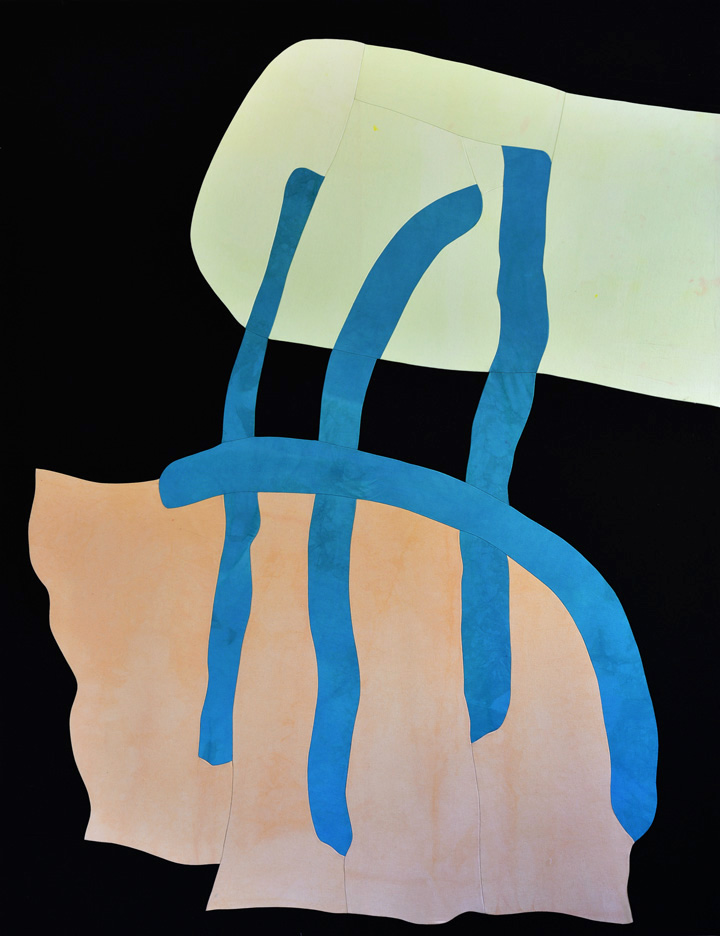
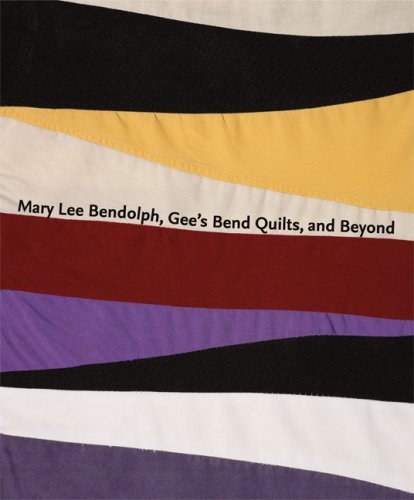
Vancouver-based Colleen Heslin creates crisp, colorful abstractions that look like painting but are constructed out of dyed fabrics. Heslin mixes genres of painting and craft, combining elements of quilting and Modernist abstract painting. She responds to hierarchies of art and craft that have also been gendered. Craft is associated with femininity and deemed lower on the arts hierarchy. In contrast Abstract Expressionist, formal abstraction, considered itself to be at the peak of high art and is associated with the masculine. When I e-mailed her asking to include her in this post, she referenced Sonia Delaunay's cubist quilt from 1911 as an influence. Heslin also introduced me to the remarkable quilting of Gee's Bend, a group of African American women living in a secluded community in Alabama. The Gee's Bend quilters have been using quilting as a story-telling method for over 150 years.
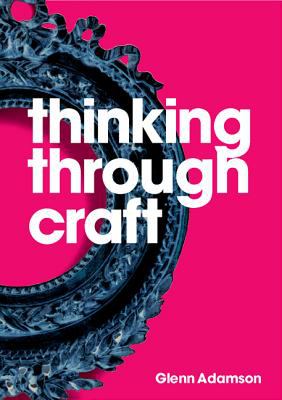
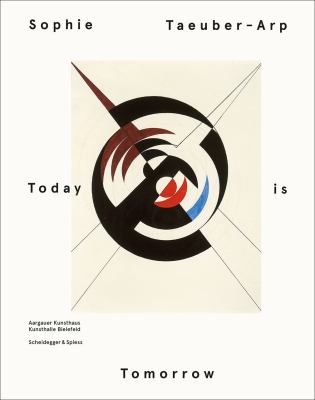
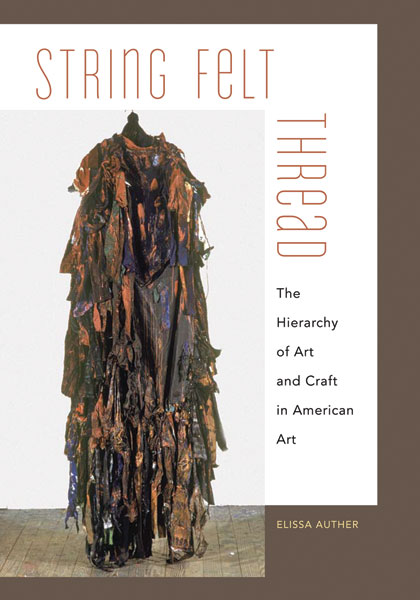
Heslin also recommended a few books on the subject of Textile art including Today is Tomorrow (only available as a reference book, to be read at Toronto Reference Library). She also recommended two contemporary theory texts on the subject of craft and art and hierarchies of art mediums: Glenn Adamson's Thinking Through Craft and Elissa Auther's String, Felt, Thread. (Thank you Colleen !)

Textile Design Around the World
Toronto Public Library also has many survey and source books that compile the works of many artists. Check out The Indian Textile Sourcebook which tells the story of textile production in South Asia, spanning back as far as 6000 BCE! This book surveys a vast history, range of techniques and motifs commonly found in Indian textile design.
Equally fascinating is Silk and Cotton which surveys textiles of Central Asia with hundreds of strikingly beautiful colour relationships and patterns.
Even broader, check out Embroidered Textiles: World Guide to Traditional Patterns
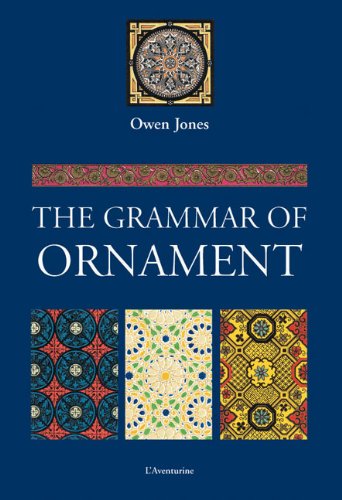
A personal favourite is the lavishly illustrated book, The Grammar of Ornament by Victorian taste-maker Owen Jones, first published in 1856. It is considered a design masterpiece that explores elements of design underlying decorative arts, textile, architecture, textiles and manuscripts across various cultural periods. Read more about the significance and labour intensive production of this book.
Patterns in Nature
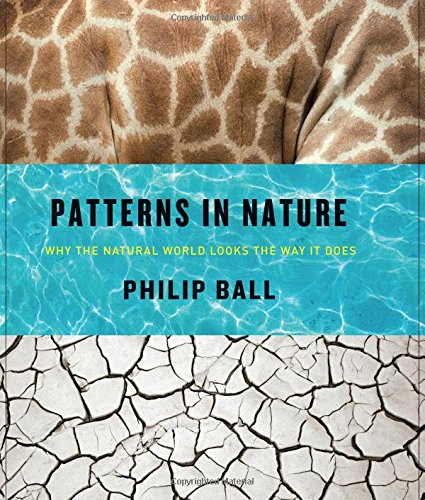
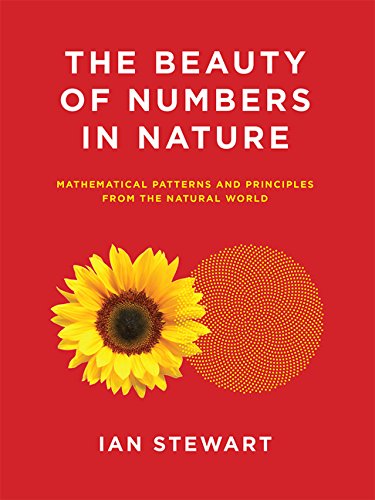
The Library also has a selection of books that explore the way that patterns appear in nature. If this subject interests you, check out Patterns in Nature Why the Natural World looks the Way it Does and The Beauty of Numbers in Nature: Mathematical Patterns and Principles from the Natural World.
To experience textile design in person, why not visit the Textile Museum of Canada? The Toronto Public Library’s Museum + Art Pass (Map) program offers free tickets to the Textile Museum at select branches. Visit the webpage to find out more.
If you visit Toronto Reference Library, there's also an extensive picture collection on the fifth floor. File folders with cut out images are categorized and filed away in rows of cabinets, many are quite old and rare. I checked out "textures" and "textiles" and found many great images.
Who are your favorite textile artists and pattern designers that I may have missed?
I hope that some of you can make it to the Photoshop Pattern Design workshop on December 11!
Images in this piece were used with artists' permission.
4 thoughts on “Do-It-Yourself Pattern Design and Textile Artists”
Cool! Love the image for the event. Will be there!
Thank you for writing this article! I’ve been looking at Japanese and Arabic patterns in the past few months and this is definitely helping my learning and expanding my knowledge. Thank you also for the references to the books in the library! So easy to place a few holds.
Another textile designer: I’ve been looking at William Morris’ work recently. A different yet equally beautiful style!
Thanks Naomi, see you there
thank you for reading! How did I forget William Morris? https://www.torontopubliclibrary.ca/detail.jsp?Entt=RDM214208&R=214208