Tips for Taking a Great Photograph
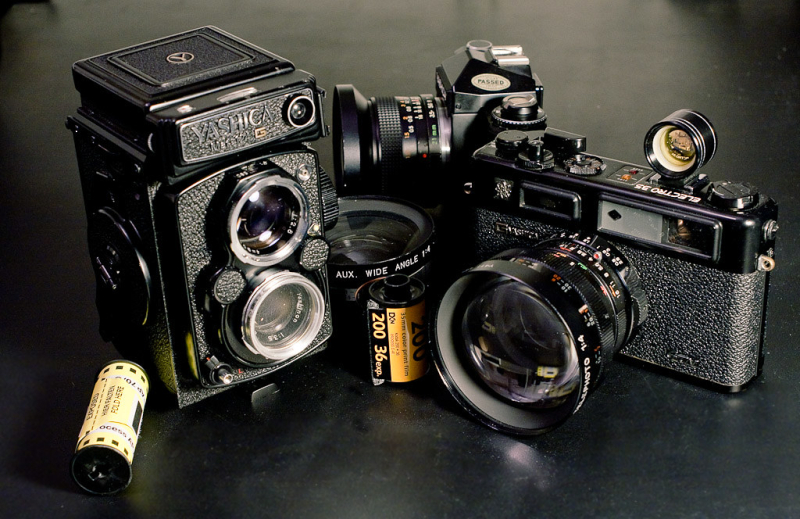
Photography has become a big part of everyday life. Whether we’re using our smartphones or a DSLR (digital single-lens reflex camera), we’ve never had such easy access to high-quality photography equipment.
All modern cameras offer a host of different automated settings to make the process of taking a photo easy. Even the most common photo sharing social media platforms offer advanced editing options. You can be almost certain your photos will look great.
Technology has been moving forward at an amazing pace. But the basic techniques photographers have used for over a century still hold true today. There are no signs of them becoming less relevant any time soon.
The process of taking a photo, whether on film or digitally, boils down to light passing through a very narrow opening and projecting an image onto a sensor or on film.
The way we control this light will determine certain aspects of our photos. This includes motion blur, exposure and depth of field. They can be used to give a creative and personal twist to our photos, and to ensure we’re able to create the image we want, not the one the camera chooses for us.
There are many variables in photography and these are discussed in depth on our Pop-Up Learning Labs Instagram account. New tips are added every Friday.
Here's a brief overview of some tips to take amazing photos!
Rule of Thirds
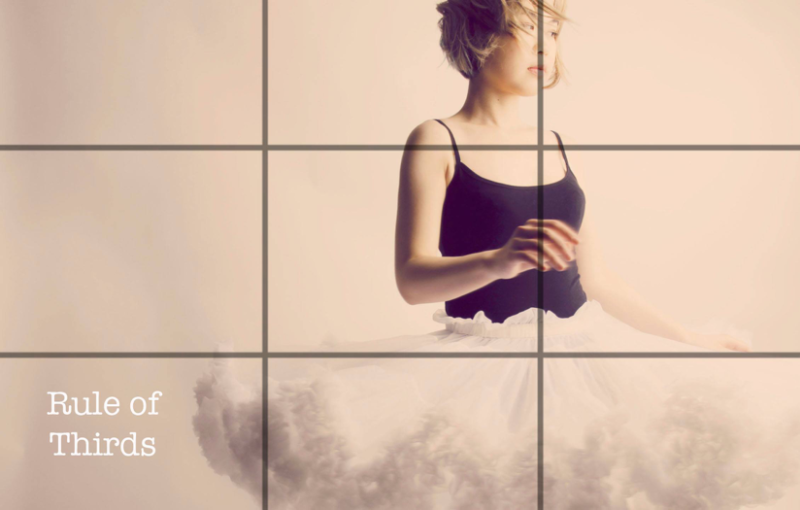
To use the rule of thirds, imagine four lines. Two horizontal lines across the image and two vertical, creating nine even squares.
Some images will look best with the focal point in the center square, but placing the subject off-center at one of the intersecting points of the imaginary lines will often create a photo more pleasing to the eye.
Golden Ratio
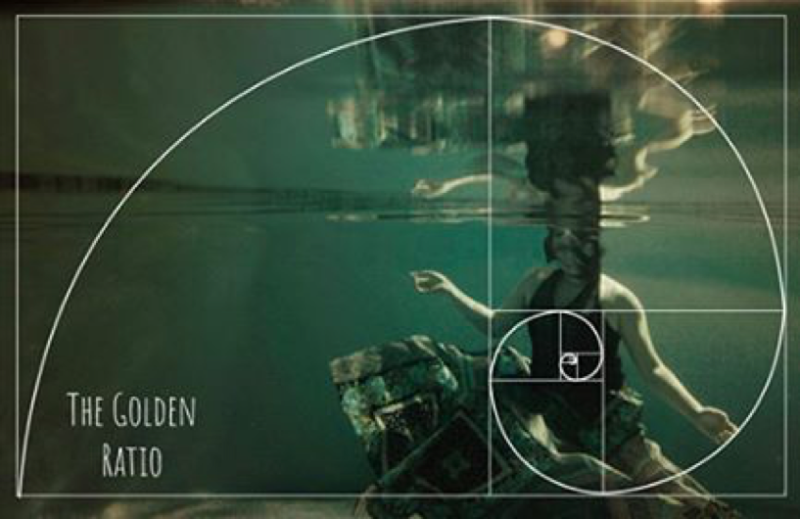
The golden ratio can be a step up from the rule of thirds. The way it works is to help lead the viewer through the entirety of the photo.
It is also known as the Fibonacci spiral, golden spiral, phi grid, divine proportion or the golden mean.
Aperture Scale
The aperture is the set of blades inside the lens and its size is measured in f-stops.
The f-stop scale includes very large apertures like f/1.4 to a very small apertures like f/22, as seen in the chart above. If you're shooting in low light, open up the aperture to brighten up the image.
Online Library Resources to Continue Your Learning
If you're looking for more ways to learn online, try the following online resources. All are free to use with a valid Toronto Public Library card.
Smartphone Photography: Episode 17 of Fundamentals of Photography II
An informative video through Kanopy showcasing tips and tricks on how to use your smartphone to take a great photograph. The video covers filters, light levels and much more.
We have many more free e-learning options on photography to choose from. This includes multi-week, instructor led courses available through Gale Courses with your library card.
Blue Pixel Personal Photo Coach: Digital Photography Tips from the Trenches. Only available as an ebook.
A book featuring many tips and tricks compiled by several professional photographers. Lots of helpful information in all aspects surrounding digital photography.
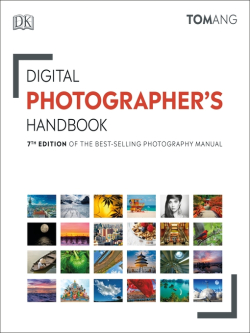
Digital Photographer's Handbook by Tom Ang. Multiple editions and formats available.
A great book by Tom Ang, a professional photographer for many decades. The book gives lots of tips on how to take a great photograph. This book is great for those who are hobbyists and professionals wanting to hone their skills further.

Art of Everyday Photography by Susan Tuttle. Available online and in print.
An informative book that offers tips on how to take a great picture. The book will also guide you through several editing techniques.
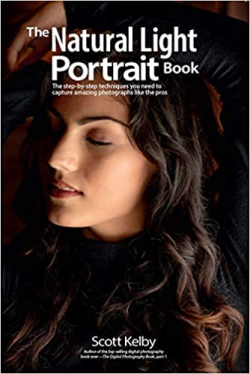
The Natural Light Portrait Book by Scott Kelby. Available online and in print.
A great guide on how to take a striking portrait using natural light. This book will go over tips that will teach you techniques to create memorable portraits.
Or, take a look at our newest photography books!
If you’d still like to learn more, check out our Pop-Up Learning Labs Instagram account every Friday for new posts on photography!
If you’re interested in learning from a class, our free, four-part photography program Connecting with Creativity: Your COVID-19 Experience in Photos starts on August 17. Spaces are limited, so be sure to register to guarantee your spot!
With thanks to Belinda Patterson for co-authoring this post.
Comments