Designing for Equity: Additional Resources
We hope you enjoyed the Designing for Equity program today. If you would like to learn more about this and other related subject matter, here are some recommended resources.
Books

Mismatch : How Inclusion Shapes Design
By Kat Holmes
“In Mismatch, Kat Holmes describes how design can lead to exclusion, and how design can also remedy exclusion. Inclusive design methods―designing objects with rather than for excluded users―can create elegant solutions that work well and benefit all. Holmes tells stories of pioneers of inclusive design, many of whom were drawn to work on inclusion because of their own experiences of exclusion.”
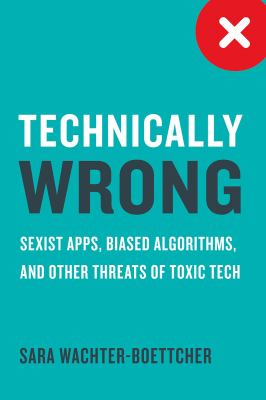
Technically Wrong: Sexist Apps, Biased Algorithms, and Other Threats of Toxic Tech
By Sara Wachter-Boettcher
“Buying groceries, tracking our health, finding a date: whatever we want to do, odds are that we can now do it online. But few of us realize just how many oversights, biases, and downright ethical nightmares are baked inside the tech products we use every day. It’s time we change that.In Technically Wrong, Sara Wachter-Boettcher demystifies the tech industry, leaving those of us on the other side of the screen better prepared to make informed choices about the services we use–and to demand more from the companies behind them.”
By Don Norman
“Even the smartest among us can feel inept as we fail to figure out which light switch or oven burner to turn on, or whether to push, pull, or slide a door. The fault, argues this ingenious-even liberating-book, lies not in ourselves, but in product design that ignores the needs of users and the principles of cognitive psychology. The problems range from ambiguous and hidden controls to arbitrary relationships between controls and functions, coupled with a lack of feedback or other assistance and unreasonable demands on memorization. “
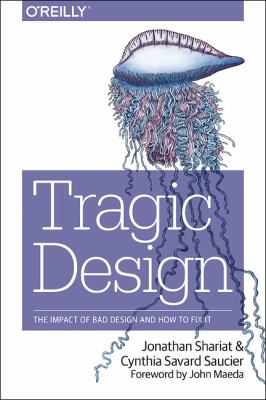
Tragic Design: the Impact of Bad Product Design and How to Fix it
By Jonathan Shariat
“Bad design is everywhere, and its cost is much higher than we think. In this thought-provoking book, authors Jonathan Shariat and Cynthia Savard Saucier explain how poorly designed products can anger, sadden, exclude, and even kill people who use them. The designers responsible certainly didn’t intend harm, so what can you do to avoid making similar mistakes?”
eLearning Resources
Lynda.com Courses
Creating Change: Diversity and Inclusion in the Tech Industry
“Learn about efforts made at a variety of levels to address the issue of diversity and inclusion in the tech industry.”
John Maeda on Design, Business, and Inclusion
Topics covered in this course:
•Defining design
•Designing for a wider audience
•Linking inclusion and design
•Attaining the inclusion mindset
Online Resources
Design Justice Network Principles
Learn about the 10 Design Justice Network Principles.
“Design justice rethinks design processes, centers people who are normally marginalized by design, and uses collaborative, creative practices to address the deepest challenges our communities face.”
Comments