Hot, hotter….heat alert!
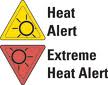 When the temperature soars and the humidity is high, public health authorities often issue heat alert advisories. This was the case last week when Toronto's medical officer of health issued a heat alert advisory for the City of Toronto. Other urban centres issued similar alerts.
When are Heat Alerts issued?
Between May 15 to September 30 Toronto Public Health issues alerts about hot weather conditions that increase the risk of heat-related illnesses. They use the Heat Health Alert System which compares weather forecast data to historical meteorological conditions which in the past have increased mortality in Toronto.
According to this Alert System, when an oppressive air mass is forecast and the likelihood of weather related mortality exceeds 65%, a heat alert is issued. When that rate exceeds 90%, an extreme heat alert is issued.
What happens during a Heat Alert?
Once a heat alert is issued, the City of Toronto's Hot Weather Response Plan gets activated. This includes :
- Toronto's more than 800 community agencies are alerted to advise vulnerable populations such as the elderly, isolated seniors, the homeless to take extra care during the heat alert
- the Red Cross operates a heat-related hotline 416-480-2615 to answer questions from the public
- homeless shelters allow people to stay inside the shelters during the day to stay cool
- during extreme heat alerts, special cooling centers are open throughout the city
Heat Safety Tips – also available in other languages
- drink plenty of fluids — preferably water
- avoid caffeine and alcohol
- eat small, light meals
- stay out of direct sun
- wear a hat, lightweight and loose clothing, sunscreen and sunglasses
- avoid heavy activity during the heat including exercise
- find a cool place to hang out — go to libraries, malls, community centres
- don't leave children or pets unattended in cars
- look out for elderly and isolated neighbours who may have difficulty coping with the heat
Signs of heat-related illness
Normally, our bodies stay cool as our sweat evaporates. During extreme heat, the evaporation of sweat is slowed by the excess moisture in the air. This causes body temperature to rise and can make you ill. Heat related illnesses include heat exhaustion, heat stroke, sunburn. It also worsens heart and respiratory conditions like asthma, emphysema, bronchitis. Infants and the elderly are at high risk.
Symptoms of heat-related illness include
- pale, cool, clammy skin
- headache
- nausea, vomiting
- dizziness, fainting
- fatigue and weakness
- weak or rapid pulse
- fever over 40C
- shortness of breath
- confusion, hallucination
- seizures
- unconsciousness/coma
Further Reading:
Extreme Heat Event – It's Your Health – Health Canada
Heat Exhaustion and Heatstroke – Family Doctor.org
Heat-related Illness – HealthLink BC
Comments