Nutrition and Stress
![MC900230545[1]](https://blogs.tpl.ca/wp-content/uploads/2025/08/6a00e5509ea6a18834014e5fee1beb970c-120wi.jpg "MC900230545[1]") Let's face it, stress is part of everyday life. It's a normal psychological and physical reaction to life's demands. Even happy events – like wedding preparations or buying a house – leave a stress footprint. When our brain detects a threat – a.k.a a stressful situation, hormones are released to trigger our 'fight-or-flight' response. Once the threat is gone or diminished, our bodies should return to normal but that is often not the case given our nonstop stressful lifestyles. If our bodies stay on high stress alert for extended periods, it can lead to serious health problems and that's where stress management comes into play.
Let's face it, stress is part of everyday life. It's a normal psychological and physical reaction to life's demands. Even happy events – like wedding preparations or buying a house – leave a stress footprint. When our brain detects a threat – a.k.a a stressful situation, hormones are released to trigger our 'fight-or-flight' response. Once the threat is gone or diminished, our bodies should return to normal but that is often not the case given our nonstop stressful lifestyles. If our bodies stay on high stress alert for extended periods, it can lead to serious health problems and that's where stress management comes into play.
Stress management provides us with the necessary tools to cope with everyday stress. Coping strategies include getting enough sleep, being physically active, meditating and relaxing, doing fun activities, sharing feelings and reaching out to others, and eating well.
While healthy eating won't get rid of everyday stress, it helps us respond better to stressful situations. To find out more about nutritious foods that can reduce stress levels, come to a lecture by Carolyn Barber, a registered dietitian, next Wednesday, March 23rd at the Toronto Reference Library. Click here for full details.
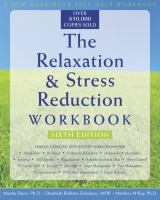
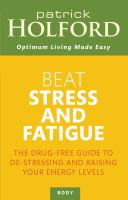
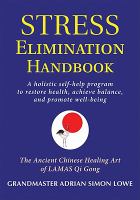
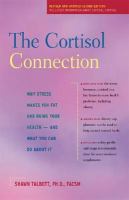
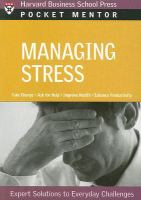
Check out also some books on the subject of stress management:

Comments