Sleep Deprivation
 Most of us probably don't get enough sleep, or as much as we would like to given our fast-paced lives. So I'm sure that some of you may have wondered what exactly this does to our bodies, medically speaking. Deep down we sense that when we don't get a good night's rest, we just don't feel right.
Sleep deprivation can have many causes but it often occurs due to sleep disorders.
Consequences of sleep deprivation:
- decreased alertness, performance
- memory and cognitive impairment
- relationship problems
- increased risk of injury at work, driving, etc.
- lower sex drive
- depression
- premature aging of skin
- weight loss disturbance (lack of sleep increases your appetite and tells your body to store more fat)
- increased risk of diabetes, hypertension, etc.
- weakened immune system
- overall quality of life lessened
If left untreated, sleep deprivation can lead to serious health conditions such as: heart attack, stroke, obestity, etc.
– aside from the usual stresses of our daily routines, modern technology keeps us awake into the wee hours as well
– it is believed that the light from our devices can interfere with melatonin, a hormone which helps control the natural sleep-wake cycle
So how can we have better sleep?
– keep a scheduled pattern of sleep
– avoid light/noise from electronics at bedtime, and if you do have to read devices in bed, at least lower the light intensity and hold it further away from your face
-it may sound obvious, but try to increase the amount of time you sleep or improve the quality
-try to test your natural sleeping habits by sleeping in for a few days in a row and seeing when you would wake up naturally
– take under 30-min naps
-get extra sleep before a big event which you know will impact your sleep
-working out, or medications prescribed by your doctor can'temporarily help, but they do not make up for good quality, real sleep
So how many hours should we be getting anyways?
– Mayo Clinic suggests adults need about 7-8 hours/night, children 9-11 hours, babies 9-10 hours plus 2-3 hours of naps
– other factors can influence whether you need more sleep at various stages of life, such as pregnancy, aging, etc.
– always consult your doctor regarding your individual sleep schedule and needs..
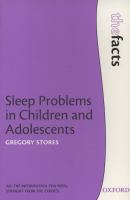
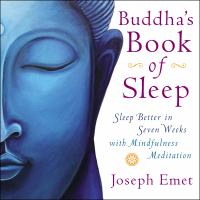
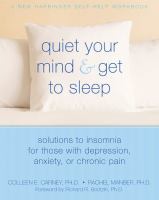
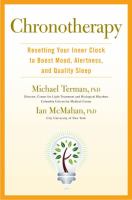
For further information, please consult the Toronto Public Library Health Databases and the following books:


Comments