Biodiversity and Your Well-being

Image courtesy of http://www.worldislandinfo.com
It's Earth Month 2016 and the time has come to take seriously our impact on the planet. Toronto Public Library is happy to present the best of our collections on environmental education, geared to children, teens and adults. Watch for environmental displays in branches across the city and pick up some reading material. At the same time, please join us for Our Fragile Planet, our free environmental programming series. Learn about issues that impact our city, and what you can do to tread lightly on our planet.
North York Central Library recently hosted a program about the effect of transportation systems on wildlife. Dr. Namrata Shrestha, a senior landscape ecologist with the Toronto and Region Conservation Authority (TRCA), spoke about the habitat loss and fragmentation for wildlife caused by roads and railways. Being limited to a small area may result in a species dying out because they cannot find enough food or mates; this in turn has a ripple effect on the ecological health of other species in our green space.
Some transportation planning initiatives undertaken by TRCA and local municipalities include: closing roads during breeding seasons, determining the best locations for future roads which minimize the impact on wildlife for the present and in the future, retrofitting pipe structures so they can be 'paths' for critters to travel along (who knew that there were peacocks in the wild in Ontario?). These measures reduce biodiversity loss. What caught my attention was when Dr. Shrestha asked, "Why do we care about biodiversity loss? Because it's the right thing to do? For biodiversity's sake?" Well, it turns out that biodiversity is connected to human health.
Biodiversity is defined as the variety and variability of life on Earth, including the genes in all living things, all species and the ecosystems these species comprise. Three ways in which greater biodiversity helps us:
1. Infectious Disease
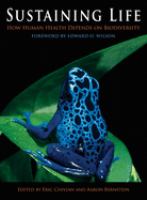
Some diseases/pathogens are spread by vectors such as ticks and mosquitoes. Greater animal diversity means there is a larger pool of hosts for vectors to bite. Some of these hosts are unable to pass along the disease to new vectors, and thus the cycle of infection ends. This reduces the chance of people becoming infected. An example of this process is Lyme Disease, which is spread by ticks. "People are at greater risk for getting Lyme disease in, and at the edge of, fragmented forests and other degraded habitats that favor mice that are … competent hosts for Lyme. By contrast, large, intact forests are associated with greater vertebrate diversity, more incompetent hosts, fewer infected ticks, and less disease risk" (Chivian and Bernstein, 2010).
2. Food Production
A greater genetic diversity in our crops lessens the chance of crop failure due to plant diseases, plant pests and changing weather.
3. Medical Research
Herbs and other plants are used in traditional medicine and complementary medicine. Decreasing plant biodiversity may mean the loss of plants with potential health benefits.
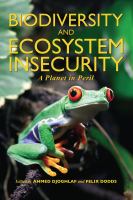
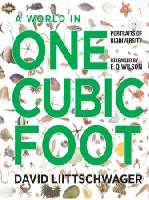
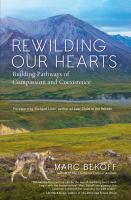
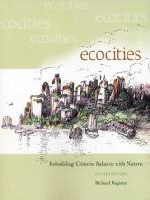
To learn more about biodiversity and your health, here are a few titles:
 |
 |
 |
 |
 |
 |
 |
 |
 |
 |
 |
 |
For information on Earth Month programs, click here.
Comments