Turmeric – Too Good to be True?

image courtesy of Wikipedia
Recently, friends recommended turmeric to alleviate irritable bowel syndrome and arthritis symptoms. I was surprised that turmeric was touted as effective for such different health conditions so I searched Dr. Google for "health benefits of turmeric". The results included a wide range of ailments: diabetes, arthritis, digestive problems, cancer, heart disease and kidney problems. As this sounded too good to be true, I did further research, using reputable and authoritative sites.
PubMed and MedlinePlus are two of my favourite sites to search for health information. PubMed is a database of citations and abstracts of articles and online books in the National Library of Medicine. The information is from scholarly and academic journals and can be challenging to read, but this is the place to look for the latest health research. While many of the citations require a fee or subscription to read the entire article, you can choose 'Free full text', to find full-text articles. One recent article notes that curcuminoids, the active ingredient in turmeric, is beneficial for ulcerative colitis. Another article reviewed all the research conducted on curcurminoid's anti-cancer, anti-diabetic, anti-depressant, anti-inflammatory, anti-arthritic properties and its effects on Alzheimer's disease. It concluded that while curcuminoids are promising "with a large variety of therapeutic properties", their usefulness is limited by "poor solubility, low absorption and bioavailability".
MedlinePlus provides information about the human body, diseases and drugs for patients. The information on turmeric in MedlinePlus is from the National Institute of Health's National Center for Complementary and Integrative Health. This is a good website to search for evidence of the effectiveness of various natural or herbal remedies. According to their fact sheet on turmeric, curcuminoids may reduce the number of heart attacks after bypass surgery and reduce knee pain as well as ibuprofen.
If you don't want to remember various websites and prefer to do a Google-like search, try Health on the Net Foundation, a non-profit non-governmental organization whose mission is to promote reliable online health information. When you do a search on their website, the results that appear are ones they have deemed to be from reputable and reliable sites.
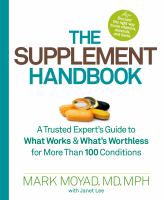
For books about turmeric, take a look at the following:

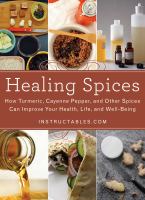

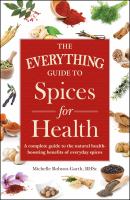
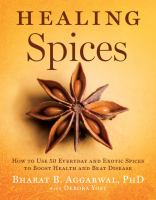
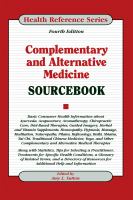
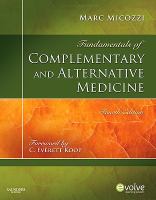
For more information on complementary and alternative medicine (which includes turmeric), these may be of interest:
8 thoughts on “Turmeric – Too Good to be True?”
This is fantastic, Cathy! Thank you.
I have been reading online about the many benefits of tumeric, but didn’t think to check the library for books. Specifically, I was interested in its benefits for joint pain and depression, but then the joint pain disappeared and mood improved when I went on a low carb diet. However, I’m happy to add tumeric to my food for its other benefits. Plus, it tastes great. Did you know people have replaced their morning coffee with tumeric tea? “Liquid gold” some people call it.
UCLA has reported impressive results in their studies on Alzheimer’s (although no one should initiate this on their own without their doctor’s approval because, like ginger, tumeric can act as a blood thinner and interact with some prescription medications. Definitely should not be used by anyone taking prescription blood thinners.)
Again, thank you, Cathy, for your blog post and the list of books. I am eager to borrow them now to learn more about tumeric!
I said “low carb diet”. Correction: It was ketogenic with healthy fats from fish, nuts, seeds, olive oil and coconut oil which by default makes it low carb because my carb source is a lot of greens and berries. NO RELEVANCE TO THE TOPIC ON TUMERIC, BUT DID WANT TO CORRECT MY ERROR.
Really interesting and useful, thanks for sharing this!
You can also find reputable articles on turmeric and health by searching the library’s article databases – free, no subscription required. http://www.torontopubliclibrary.ca/books-video-music/articles-online-research/health/
there are no such a thing in global which is not good for health, but we have to know the way of key.
Thanks very much–I’m glad you enjoyed the post.
You’re most welcome Archana. I’m glad you found it useful.
Hi Dr. Library, thank you so much for the reminder and the opportunity to talk more about the library’s databases. As you mentioned, the Health & Wellness Resource Center and Health Reference Center Academic databases have a wealth of information, freely available to anyone with a valid Toronto Public Library card. Although there may be some overlap, the journal coverage in these databases is not the same as what is in PubMed and Medline, so it is worthwhile to check all these resources for health information.