Black Boxed Drugs and the Opioid Crisis
Prescription drugs with serious and/or potentially life-threatening effects were ordered by the FDA to begin dressing drug labels with black borders to draw patients attention to significant risk warnings in 1979. This is where the term "Black Boxed Drugs" (BBD) arose; an informal name given to drugs with labels indicating a significant risk or hazard. Prior to these labels many patients paid no heed to drug warnings and the thinking was that the new visible boundary surrounding the statement would lead to more awareness. In spite of the new labelling protocol, we stand here today mired in a lethal drug crisis under the banner of opioids.
Opioids contain the same addictive properties found in many BBD's and offer patients a succession plan, sometimes illicit, to satisfying their addictions long after prescribed medications have run their course. Books like The Addiction Solution by Lloyd Sederer, promote awareness of these prescription drugs addictive properties and dangers.

The Addiction Solution offers a summary of drug abuse including treatment, clinical trials, and unbiased scientific knowledge and policy suggestions to help patients and the public deal with issues of addiction.
The highly addictive components of drugs continue to hold patients captive long after their medicinal purposes have lapsed. It is important to note that not all BBD's are highly addictive. However, it is vital to read and understand labels, even if it means going beyond the call of duty to research potential harmful effects via the web or at your local library. It is equally important is to initiate a two-way dialogue with your doctors and make the prescription process a learning opportunity, if not a full-on conversation. These interactions may unearth critical information about clinical trials, alternative treatment and most importantly, potential risk factors for the sake of your long-term health. These types of talks are particularly important given the undisclosed relationship between doctors and drug companies discussed in Doctors in Denial by Dr. Joel Lexchin.
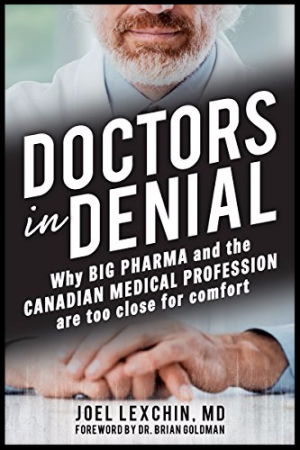
Doctors in Denial examines the relationship between Canadian doctors and the pharmaceutical industry. Dr. Joel Lexchin exposes the drug industry for its penetrating influence in medical school classrooms and its continued grip over drug information inculcated to practitioners in order to drive an increase in revenue. Furthermore, the book discusses the collection of sales data linked to specific doctors and a series of incentives and quotas set as targets for doctors to reach in order to be compensated by way of expensive meals and gifts. The book paints a grim pictured of the drug industry but is great for consumers in that it underscores the importance of independent inquiry and dialogue between patients and doctors.
Listed below are a few more books of interest related to alternative medicine, opioids, pain management, and the precarious relationship between doctors and drug companies available at Toronto Public Library:
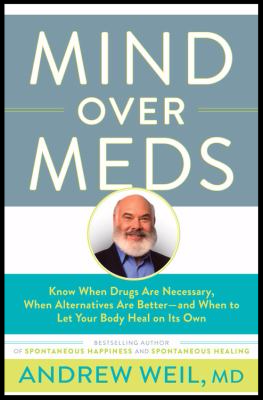
In Mind Over Meds, author Dr. Andrew Weil advises readers about the problem of over-medication, and outlines when medicine is necessary, alternative therapies, and when to simply leave it alone.

From neurobiology to public policy, A Nation in Pain examines chronic pain by discussing the latest scientific discoveries, advances in treatments, governmental roadblocks, and providing a plan of action going forward.
Comments