How to Get a Job Without Relevant Work Experience

photo credit: Flazingo Photos (flickr.com)
How do you gain relevant work experience if you can't secure a job? Without the job, you can't build on the work experience. James Citrin calls this the Permission Paradox, one of the great career Catch-22s. Young professionals and recent graduates have difficulty starting up their career successfully because they can't get the opportunity to show employers what they can offer. But these obstacles can be applied across the board to not only new graduates, but also to people looking to change their career, or job seekers who are out of work.
"The Permission Paradox can be a paralyzing obstacle and can often be a self-fulfilling prophesy." He goes on to explain that in order to overcome it, you have to understand that employers judge you on two things: your potential (soft skills) and your work experience (hard skills). Soft skills are often referred to as your attitude, communication skills, work ethics, your readiness and eagerness to learn new skills, your ability to adapt and think creatively, your professional attitude, leadership and negotiation skills, etc. Your hard skills are your technical expertise (computer knowledge, certification in a professional field, analyzing data, writing skills, etc). If you are just starting out, employers will look at your potential and how it will benefit the company. And the later you are in your career, your work experience becomes more relevant in securing employment. Therefore, moving past this "Permission Paradox" is important to achieving success in your career both short and long-term.
Here are a few tips to overcome these hurdles:
Get the experience/education/training required for the job you are seeking. This is the most sensible and logical way to gain access to entry-level position or jobs in the field.
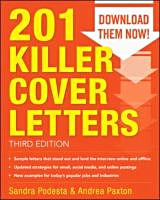
Write a great cover letter. A cover letter can demonstrate your skill sets even if you do not have the experience. It will convey and explain to the hiring manager why you would be an ideal match for their organization. List your qualifications specifically to the job description and show how you meet these requirements. Give specific examples to illustrate how you have contributed effectively in your previous positions. Your cover letter should complement your resume and provide an overall picture of who you really are.
Volunteer. Apply for internships and or volunteer in places you think will give you the relevant work experience and exposure. Join organizations and groups and build your network of people while gaining valuable work experience.
Join social media platforms such as LinkedIn and Twitter. Follow leading figures in the industry, share opinions and ask questions, even post comments to some of these online forums and groups. Demonstrate your understanding of topical issues in an informed and intelligent manner.
Start at an entry-level position. Working your way up the ladder adds value to your experience and gives you an overall picture of the organization and how it operates. Citrin emphasizes that "whether it's in the Internet industry, financial services, retail, hospitality, or any other business that touches large numbers of people, starting at the point of customer interface, whether in customer support, behind a cash register, on the sales floor, will give you a valuable opportunity to learn what's really going on in the market."
Market your skills. Try to figure out why you would be a good candidate for that position. What are your skill sets, your work experience, your qualifications and your personal experience that make you an ideal job applicant. Do you have any skills that demonstrate that you are qualified for the position even though you may not have relevant work experience? For example, have you worked on any assignments or team projects in school, researched a topic or organized any personal projects? Think of useful skills that you can relate back to the position you are applying for.
Be Realistic. Consider jobs that you can succeed in. Employers are inundated with job applications from qualified candidates who are all competing for the same positions. Focus your attention on positions that you can succeed in and not jobs that you believe you can do. Try to look at the hiring manager's perspective and consider what they are looking for in a candidate.
Your personality, skills, education and experience all play an important role in finding the job that you want. Incorporating these simple tips into your job search, your resume and cover letter, will assist you in understanding what you have to offer prospective employers.
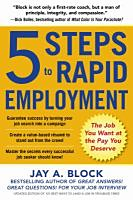
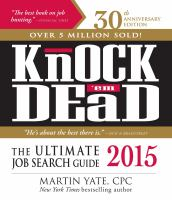
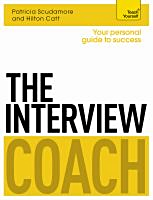
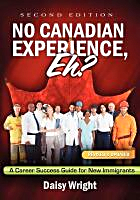
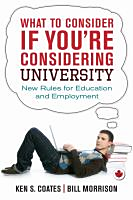
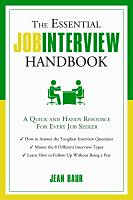
For more information, check out some of these titles below:

Comments