Does every word count?
As you are frantically (well, in my case the lead up to school was always frantic) preparing for Tuesday and the back to school rush, take a moment to think about reading with your child. Often, as our children meet the milestone of starting to read, we spend a considerable amount of time at home helping them with the skills involved in decoding words. And that is great, encouraged by every teacher everywhere.
But I think I need to inject a note of caution as well. So often we, as grown-ups, get hung up on the actual decoding of each and every word, and lose sight of the overall objective of these shared reading times. This is a time to share a love of reading and story. It should not be a time of frustration for you or your child. So what follows are few tips for reading with your child in the most positive manner possible.
Every word does not count. As a really good reader, I am sure you have been barrelling along in a book and suddenly realize you have lost the thread of what you have been reading. In searching back a few pages (or chapters) you find that somewhere you made a mistake in your reading (we call this a miscue) and have assumed a word was there when indeed it was an entirely different word. Because we read rapidly, this happens often. As long as the meaning does not changed, it really doesn’t matter. But if the meaning does change, then somewhere in the book we will realize that things are not making sense.
The same goes for children. It is not necessary that they read every word correctly, as long as the meaning does not change. So if a child sees “house” and reads aloud “home”, all is fine, they will still understand the meaning. If they substitute “horse” however, it will not make sense, and needs to be addressed. It is then that you should ask your child if that makes sense to them, and go back and explore the word. Often, you will not even have to ask, they will realize a mistake has occurred.
 Wordless books are a wonderful genre to explore stories with your child, especially if they are struggling with reading. In a wordless book, everyone is a successful reader, and every reader constructs a story that is meaningful to them. Talk with your child about the book. Offer to be the storyteller and read the story first, but make the deal that they have to read it after you and tell a story that is different from your rendition. Offer to help your child create their own wordless book, using magazine pictures or photos from your holiday or family celebrations.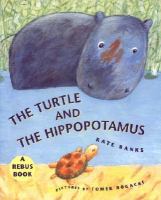
Explore rebus stories with your child. Rebus is a form of storytelling where pictures or symbols substitute for words (as in I  U ). Start your reading of rebus books with your child supplying the words for the pictures only. As they gain confidence, they will start to go beyond the pictures to the other words that they know.
Toronto Public Library has many wordless, rebus and picture books to borrow for your (and your child’s) reading pleasure. In every branch you will find professionals willing and eager to help you find exactly the right book for reading with your child. Learning to read can be a great adventure, filled with many pleasant memories. Here is to you and your child and the wonders you will encounter along the way towards independent reading!
Comments