Celebrate National Aboriginal Month with Great Reads for Kids
National Aboriginal History Month is a time to recognize the historical contributions of Aboriginals in Canada, as well as the contributions and cultures of present-day Aboriginal communities. Throughout the month, Toronto Public Library is hosting a number of different programs for children and families at various branches across the city which you can check out here. You can also find information on Aboriginal culture and history using the KidsSpace pathfinder on Aboriginal Peoples & European Explorers.
Another great way to explore Aboriginal culture with children is through books. Here are just a few great reads for kids:
Picture Books:
(Recommended Ages birth to 6 years)
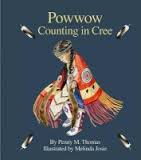 POWWOW Counting in Cree
By Penny M. Thomas, Illustrated by Melinda Josie
This counting book introduces Cree numbers, from one to ten. The illustrations depict parts of the Cree powwow, and the language is rhythmic and powerful. This is a great read-a-loud story for children of all ages.
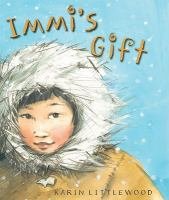 Immi's Gift
Written and illustrated by Karin Littlewood
A beautifully illustrated and magical tale of a little Inuit girl who keeps finding brightly coloured objects in her fishing hole. She uses them to decorate her igloo, which attracts friends of all kinds to visit her. By the end of the story we find out where the objects are coming from, and Immi gives something in return.
Advanced Picture Books
(Recommended Ages 7 and up):
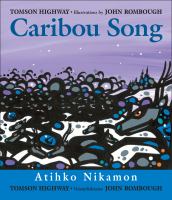 Caribou Song
By Thomson Highway, Illustrated by John Rombough
Chipewyan Dene artist, John Rombough beautifully illustrates this poetic tale by playwright and novelist Tomson Highway. It tells the story of two brothers who follow the caribou all year long. Told in both English and Cree, the story is short, but is rhythmic and enchanting.
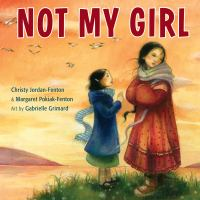 Not My Girl
By Christy Jordan-Fenton & Margaret Pokiak-Fenton, Illustrated by Gabrielle Grimard
This is a touching story about a young girl returning to her Arctic home after two years away at the outsiders' school. She has forgotten much of her language, and no longer enjoys her mother's food. Gradually she re-learns her people's way of life and their language. This is a true story based on the life of Margaret Pokiak-Fenton, and is a sequel to the book When I Was Eight. The artwork is gorgeous, and complements this powerful story.
Fiction
(Recommended Ages 9 and up):
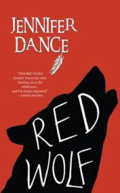 Red Wolf
By Jennifer Dance
This is a powerful and heart wrenching story about a young boy named Red Wolf who is taken from his family at the age of five and sent to a residential school. Red Wolf befriends an orphaned timber wolf and they embark on a journey home together. The story depicts the effect of the Indian Act of 1876 on the Native communities.
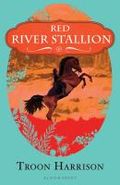 Red River Stallion
By Troon Harrison
A beautifully written story about Amelia Otterchild Mackenzie, a half Cree, half Scottish girl who travels to the Red River Valley hoping to find her Scottish trapper father. A good story for horse lovers, and those who enjoy historical fiction.
Folktales/ Legends:
Storytelling is an integral part of many of the Aboriginal communities. There are numerous folktales and legends that have been passed down for generations. Many different versions of the stories have been turned into beautiful picture books.
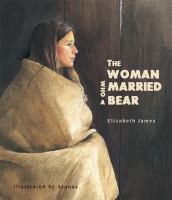 The Woman who Married a Bear
Retold by Elizabeth James, Illustrated by Atanas Matsoureff
The gorgeous illustrations are what first drew me to this book. The story is a retelling of a West Coast First Nations' tale in which a woman is forced to marry a bear. After living closely with the bears, and giving birth to part-human, part-bear children, she learns to respect the bears and their way of life. The book includes information on the history of the story and the various versions that have been passed down.
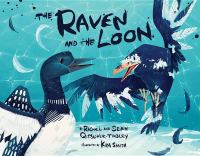 The Raven and the Loon
By Rachel & Sean Qitsualik-Tinsley, Illustrated by Kim Smith
Told with simplicity and humour, this is a great book for young readers who are just learning about legends. It is a retelling of a traditional pan-Arctic story about why Raven's and Loon's feathers are no longer white, and why Loon's feet are flat.
Non-Fiction:
You can also check out Toronto Public Library's large non-fiction collection which has information on the history, culture and lives of Aboriginal peoples.

Comments