TD Summer Reading Club Wrap-Up
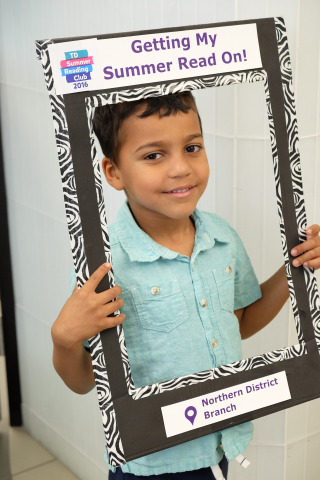

Goodbye to fruitful summer reading days. Here’s a little flashback, plus tips for keeping pleasure reading at the top of your child’s activity list throughout the school year.

Paul Molitor, Toronto Blue Jays player from 1993-1995, strikes a pose with Club participants. 20 years later, R.A. Dickey and library friends show off the top Recommended Reads for 2015.
Farewell to TD Summer Reading Club 2016…
This year featured the first Summer Story by Jess Keating. “The Bear King’s Curse” was told in serialized installments and kids had fun guessing what would happen in the next chapter.
The Club website featured its usual curated list of Recommended Reads, but kids also enjoyed peer-to-peer recommendations from other young people around the country.
Jokes, silly stories, drawing lessons, and colouring sheets are some of the free goodies that you can still access.
The TD Summer Reading Club refreshed its brand, but continued to promote the love of reading all season, while simultaneously combating learning loss. The Club is accessible, welcoming, engaging, flexible, and fun.
How can you keep the love of reading going right through the school year?
1) Encourage your child to explore extracurricular reading through programs like the Ontario Library Association's Forest of Reading. Kids can vote on the most outstanding titles for their age category. Classroom texts are chosen with care, but pleasure reading has the power to supersede screen time for mindful relaxation at home.
2) Let kids choose their own books. The TD Summer Reading Club uses sticker rewards for each book read, but kids quickly realize that reading won’t always garner something tangible in return. Reading is its own reward when children feel proud of choosing titles for themselves.
- See Vox’s article "How to Get Kids to Read – Let Them Pick Their own Damn Books" for suggestions on what matters most to kids in books at different ages and stages. For example, humour versus relatable characters.
3) Listen to audiobooks in the car or during family meals. Kids can derive just as much benefit from this format of storytelling as they do from a print book, at least past the fifth grade when kids shift away from learning how to read and towards reading to learn new information.
- See NY Mag Science of Us' article "As Far as Your Brain is Concerned, Audiobooks Are Not 'Cheating'"
4) Get caught reading yourself. Children will model healthy reading habits, such as designated reading time before bed for both caregivers and kids.
5) Revisit the reading goal your child may have inscribed in the front of the TD Summer Reading Club notebook. Can you set a new number of titles to reach or do you have more titles left to meet that mark? Kids might appreciate the challenge.
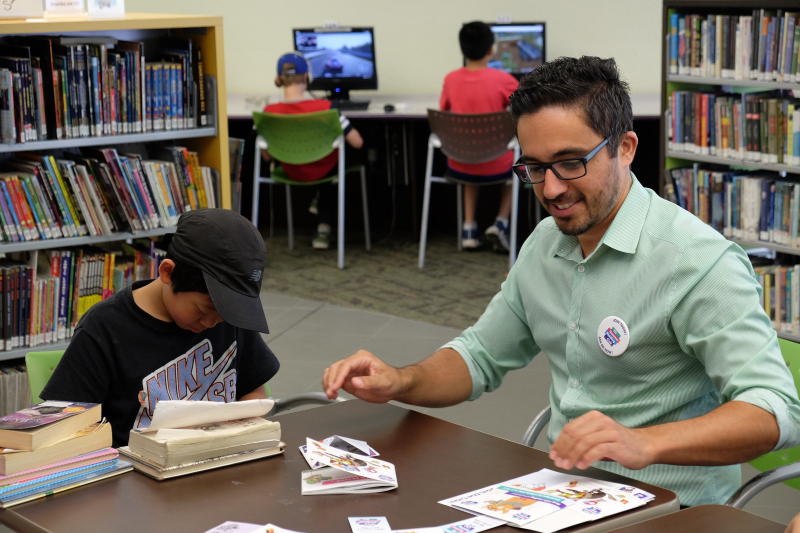
And when in doubt, ask your friendly local librarian for suggestions.
Comments