How Much Do You Know About Butterflies? Flutter Your Eyes on this Post to Learn More!
Every summer at the Malvern Branch in Scarborough librarian Kellie Scott hosts an incredible Butterfly Conservation Program. Kellie teaches children and their families the science behind how caterpillars turn into butterflies and explains the necessity of hand raising and releasing the now at risk Monarch butterfly. Everyone has loads of fun with butterfly crafts and this event allows families a chance to touch caterpillars! Lucky children who demonstrate responsibility and express the desire to will get an opportunity to take home caterpillars to hand raise and release as Monarch butterflies. I sat down with Kellie and asked her how this wonderful program came to be.
Eila: Tell me what goes on in a typical program?
Kellie: We start every program with a butterfly-themed craft. While families enjoy the craft, I set up the butterflies and sort them into their various life stages so they will be ready for viewing. There are four stages in a butterfly's life cycle, and all are represented: from eggs to caterpillars to pupas (when the caterpillars have gone into their chrysalis) to butterflies. When the craft is finished children are allowed to touch the caterpillars! This is always a highlight of the program.
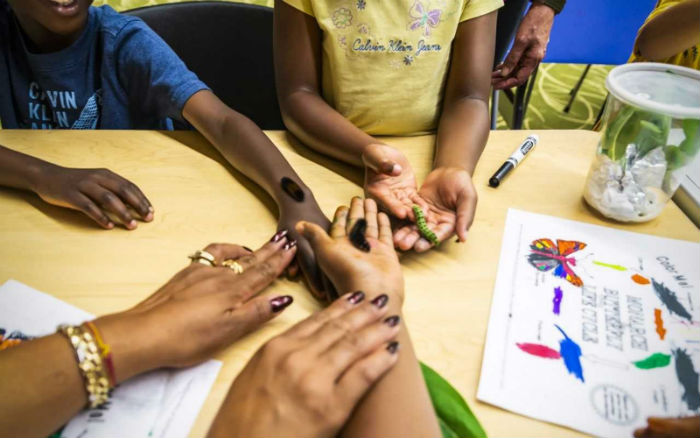
I also include an information table that explains why Monarchs are at risk and why they need our help. On it I have a book I’ve developed over 28 years of raising butterflies that explains their care and feeding. I’ve learned a lot and made mistakes over the years and this book is the result of all of that.
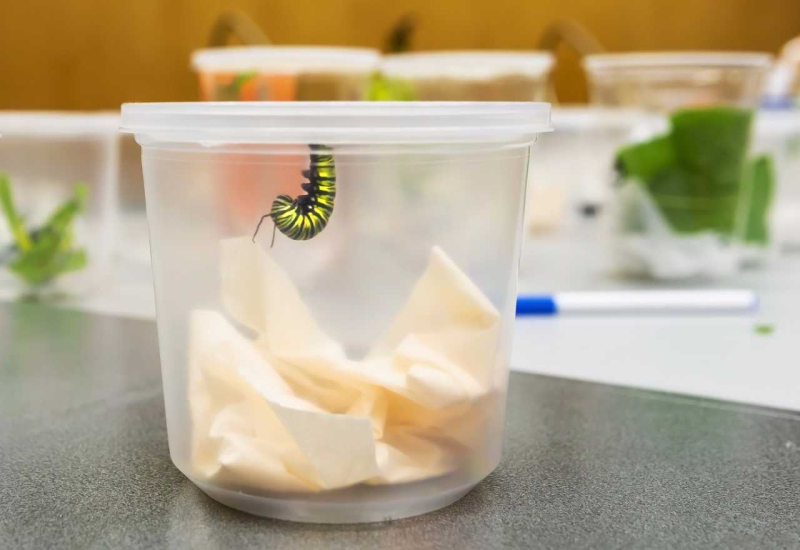
Children who attend my program have the option of adopting caterpillars or pupas. I give them the whole spiel about how it works and my book teaches them all they need to know about their care and feeding. I also provide ongoing support through my library email about how to raise them. It’s a lot of work, but I’m passionate about what I do!
Eila: How have the butterflies been breeding this year?
Kelli: They started early this year which is fantastic: it’s what we want for them. There are some excellent websites I recommend that show how they’re doing Monarch Watch and Journey North. These sites have great information on the Monarch population in general, and it looks like Scarborough has an increase in Monarchs especially. I have a feeling I know why!

Eila: What types of butterflies can we see in the Malvern area?
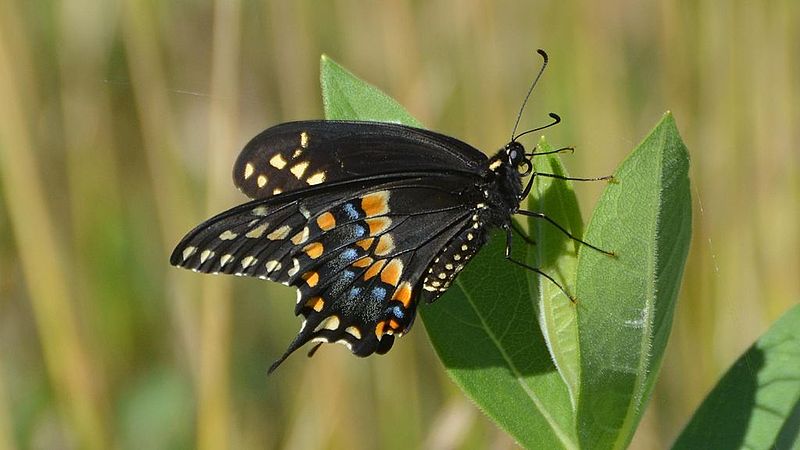
Kelli: Definitely Monarchs, but also Black Swallowtails. However as beautiful as those are, they can be considered a pest because they eat delicious herbs in our gardens. Because of that I don’t raise them. In their natural smaller numbers however they aren’t harmful.
Eila: What other types of butterflies could people expect to see in the Toronto area?
Kelli: There are many types but some more common ones include Cabbage White, Clouded Sulphur, Silver-Spotted Skipper and the Eastern Tiger Swallowtail. Many Toronto butterflies lay their eggs in trees and this is why we don’t see them as often as we do Monarchs! Since they eat trees this is another reason we don’t want to raise them in large numbers.
Eila: You can read all about Toronto’s butterflies in this ebook published by the City of Toronto as part of their Biodiversity Series: Butterflies of Toronto (PDF).
Eila: How can people help nurture environments that welcome butterflies?
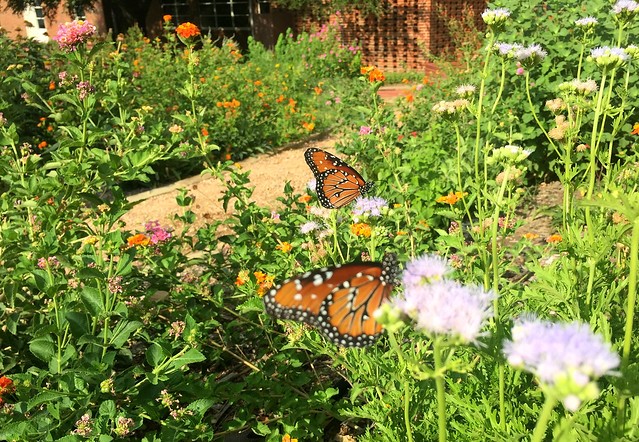
Kelli: Milkweed is the only thing that Monarchs eat. However, I used to have a garden that was only milkweed and I learned that it doesn’t work to have a garden that is milkweed alone! It is best to grow a variety of pollinator plants such as echinacea, bee’s balm, butterfly bush, etc. This way your milkweed will thrive and all sorts of pollinator’s will be attracted to your garden.
Eila: Is there anything else you’d like butterfly fans out there reading this to know?
Kelli: We can make a difference! This year I estimate our families will have hand raised, and released 300 monarchs. It doesn’t take much to help contribute to the monarch population.
If you’d like to visit Malvern Branch’s butterfly garden you can find it at the library’s west entrance. Kellie’s Butterfly Conservation Program runs another four weeks, every Wednesday morning from 10:30 am – 12 pm at the Malvern Branch and is open to everyone. Visit Kellie with all your butterfly questions, or place these wonderful books on hold at your local branch for more butterfly information!
Butterfly Books
Books to help you grow and nurture butterflies (or ask for Kellie's!):
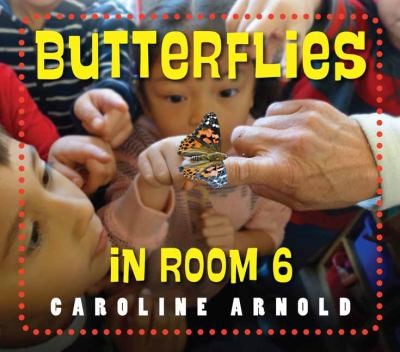
Butterflies in Room 6 by Caroline Arnold.
Butterfly Park by Elly Mackay.

Making Butterfly Gardens by Dana Meachen Rau.
Also available on ebook.
Non-fiction books to delight the youngest readers:
The Monarch Butterfly's Journey by Jon M. Fishman.
It's a Good Thing There Are Butterflies by Lisa M Herrington.
Flutter, Butterfly! by Shelby Alinsky.
Also available in ebook.
Books for those wishing to learn more about the science behind butterflies:

How to be a Butterfly by Laura Knowles.
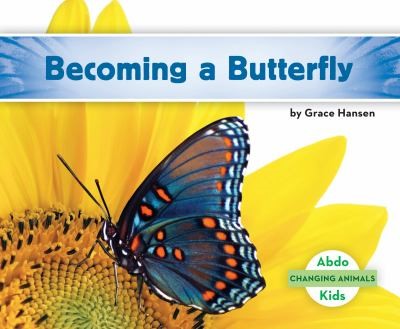
Becoming a Butterfly by Grace Hansen.
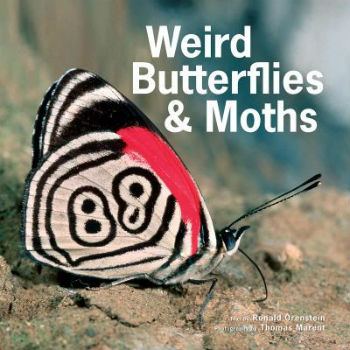
Weird Butterflies & Moths by Ronald Orenstein.
4 thoughts on “How Much Do You Know About Butterflies? Flutter Your Eyes on this Post to Learn More!”
What a great post (and title!).
And kudos to Kellie for doing such amazing work!
A great story book for the littles on making thoughtful choices about your yard to help the tiny creatures is Henry Cole’s ON MEADOWVIEW STREET
https://www.torontopubliclibrary.ca/detail.jsp?Entt=RDM135764&R=135764
Thanks Katherine! And I agree, we are so lucky here at TPL to have a wonderful staff member like Kellie dedicating so much time to the Monarchs. Thanks again Kellie!
Wow! This book looks absolutely wonderful. Thank you so much for your suggestion. I’ve placed it on hold so I can have a look for myself. I can’t wait until it arrives in my branch 🙂 And apologies for my delayed reply…I was off with the butterflies for a little while enjoying some nature!