Learn English in 5 Easy Steps
More than one in five Canadians were born outside of Canada. According to the Statistics Canada's 2016 census that's as many as 7,540,830 immigrants. More than three-quarters of them did not grow up speaking English as children, and 6.8% spoke little to no English at the time of the survey. This means that there are a lot of people in Canada learning English, just like you.
I can even let you in on a little secret: I am an immigrant, too. When my family and I moved to Canada, I spoke zero English. I memorized four words ("I don't speak English") and I repeated them whenever anyone tried to talk to me. Like many other immigrants, my family and I studied English as a Second Language. Now, we speak, read and write in English every day.
I know that learning a new language is hard and can sometimes be frustrating, but you can do it… and Toronto Public Library is here to help. In this blog, I will share how you can learn English in five easy steps. Are you ready to get started?
1. Register for an ESL Class
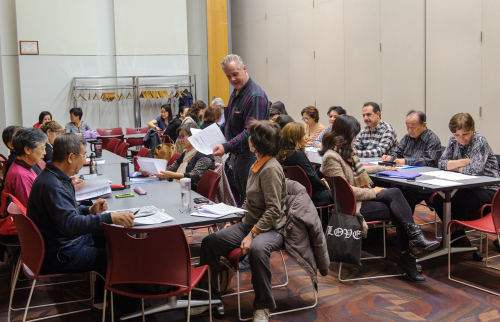
Toronto Public Library has free English as a Second Language (ESL) classes with teachers who can help you learn English. There are different levels of ESL classes: basic, beginner, intermediate, and advanced. We offer classes on different days and at different times. Call your local library branch to find out if there is an ESL class at a library near you. Be sure to ask what documents you need to bring so you can register for the class.
If you can't find an ESL class at your local library, here are a few other places you can look:
- Toronto District School Board ESL Programs
- Toronto Catholic District School Board Course Finder
- Settlement.org English Classes
- Jewish Immigrant Aid Services Toronto English Classes
2. Join an English Conversation Circle
An English Conversation Circle is different from an ESL class. An ESL class has a teacher who will help you learn English. An English Conversation Circle is a group where you can practise speaking in English. It's also a great place to make new friends.
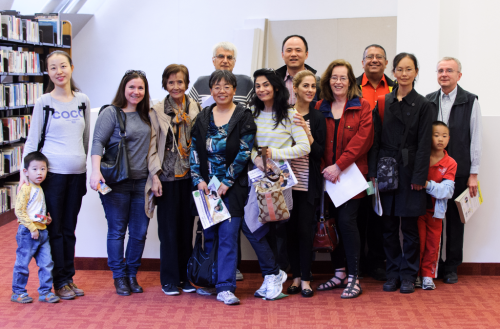
There is a list of English Conversation Circles on the Library website. We also list English Conversation Circles and other ESL programs in the What's On – Programs and Events at your Library. To find out more, call your local library branch.
Some programs for newcomers, such as English Conversation Circles, are run by Library Settlement Partnerships (LSP). You can meet with an LSP settlement worker for free and get help getting started in Toronto and Canada. LSP can also help you find other places where you can learn English for free. LSP is funded by Immigration, Refugees, and Citizenship Canada.
3. Borrow ESL Books with CDs and DVDs
The Library has many ESL books with CDs and DVDs that can help you learn English. They are free to borrow and take home if you have a library card. Every library branch has some ESL books, but you will find the biggest collections at Research & Reference Libraries and District Branches. They are the largest and medium-sized libraries on the Toronto Public Library locations map.
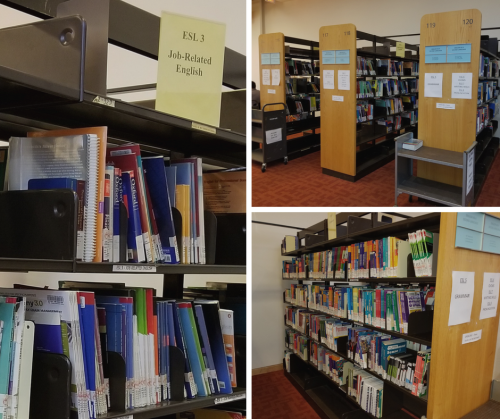
On the fourth floor of the Toronto Reference Library, there are almost 4,000 ESL items as of 2018. This collection has many popular topics to choose from, including IELTS and TOEFL.
4. Learn with Online ESL Books and AudioBooks
You can read books and listen to audiobooks online with OverDrive eBooks & eAudiobooks.
ESL books
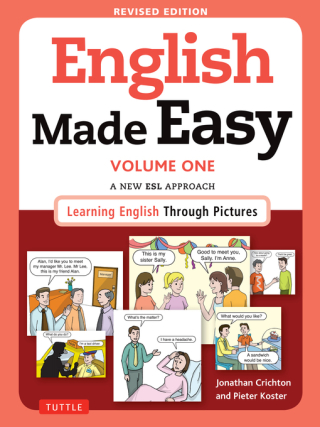
There are many ESL books that teach English.

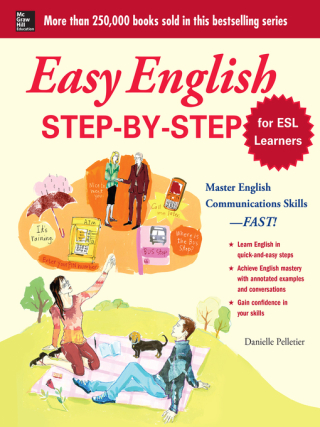
Rapid Reads
Rapid Reads on OverDrive is a series of short novels that are perfect for ESL.


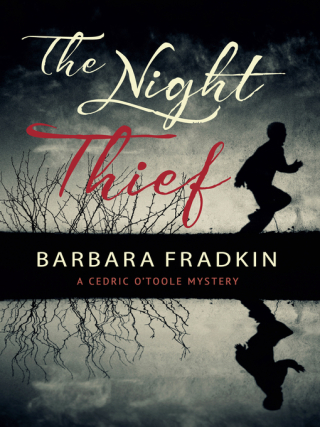
Grass Roots Press
You can also search for Grass Roots Press on OverDrive. This publisher has ESL books for adults, and they are a great, fun way to practise your English.



5. Learn English and Read About Canada
Have you ever thought about learning English and learning about Canada at the same time?
When you read books about Canada in English, you can discover new and exciting things about this beautiful country while you practise your reading skills. At the Library, you can borrow books about Canadian history, learn about Canadian indigenous peoples, discover famous Canadians, or find out more about Canadian social life and customs. If you need help finding books about Canada at your reading level, the librarians at your local library branch are always happy to help.



Conclusion
Yes, learning a new language can be hard, but you can do it. You can learn English… one day — and one step — at a time. These first five steps should help you get started, but stay tuned for my next blog post, "Learn English in 5 More Easy Steps," coming soon to the New to Canada blog. In the meantime, you can also browse Toronto Public Library's Learn English – ESL page for many more language learning tools and resources.
What are your favourite ways to learn English? Let me know in the comments, and I will be sure to include them in future "Learn English" posts.
4 thoughts on “Learn English in 5 Easy Steps”
Very good information to have for new Canadians. Shall pass it along to my friends so that they
can let their relatives know.
Library services are wonderful and thank you for this worthwhile information.
Thanks Betty.
In my college years, I had a Japanese friend who taught me to say, “Yukuri hanashite kudasai.” If I remember correctly, it means “Please speak slowly.” It’s a very useful phrase. We hung out at the library, and I answered a lot of questions about English, and learned a little Japanese!
I think it’s terrific that we can download audio language lessons from the public library!
How convenient.
Thanks for your well penned article on ESL, and all those other acronyms.
-Larry
Thanks for sharing that, Larry, and I’m glad you enjoyed the blog. I’ll add “Please speak slowly” to my list of recommended phrases, right after “I don’t speak English.”
P.S.
I’ve always wanted to learn Japanese.