How Toxic Are Your Cosmetics?
 I recently came across an article from the David Suzuki Foundation about the toxins in some of our cosmetic products. Some of these toxic ingredients are industrial chemicals, including carcinogens, pesticides, reproductive toxins and hormone disruptors. Keep in mind that cosmetics not only affect women. Although we often associate cosmetics with items such as lipstick and mascara, it also includes personal care products that are used by most people daily. Items such as soap and shampoo may contain these toxic chemicals.
The article outlines twelve chemicals, dubbed the ‘Dirty Dozen’, which consumers should absolutely avoid. Some of these chemicals include:
- BHA and BHT – used in moisturizers and makeup as preservatives; may cause cancer
- Coal tar dyes: P-phenylenediamine and colours listed as “C.I.” followed by a five digit number – dyes that are used in cosmetics and hair dyes; may cause cancer and may be contaminated with heavy metals toxic to the brain
- DEA-related ingredients – used in creamy and foaming products; may cause cancer
- Dibutyl phthalate – used in nail products; reproductive toxicant
For the full list of chemicals to avoid, visit the David Suzuki Foundation website.
After reading this, I wondered if the cosmetics I used included any of these toxic ingredients. I looked through all my products and found that most contained 3 to 4 ingredients from the 'dirty dozen'!! Some of these products were even labelled as 'natural'. I was very surprised.
I decided to take a deeper look. I found a cosmetic database from the Environmental Working Group that rate cosmetic products based on its ingredients and hazards. Here are the products I use on a regular basis (brand name of products not included):
| Product | Rating |
|---|---|
| Daily facial moisturizer | 7 |
| Eye shadow | 7 |
| Night time facial moisturizer | 6 |
| Hand cream | 6 |
| Body wash | 5 |
| Face wash | 5 |
| Shampoo | 5 |
| Deodorant | 4 |
| Toothpaste | 4 |
| Hand sanitizer | 4 |
| Concealer | 3 |
| Petroleum jelly | 1 |
| Pencil eyeliner | n/a |
| Eyebrow kit | n/a |
| Blush | n/a |
Ratings: 0-2 Low Hazard 3-6 Moderate Hazard 7-10 High Hazard
According to the Environmental Working Group, only 1 out of the 12 products (not including the products with no information) is safe for me to use. Nine products fall into the moderate hazard category while 2 in the high hazard category.
So, what can we do to better protect ourselves? The David Suzuki Foundation suggests:
- Choosing products that do not contain any of the ‘dirty dozen’
- Buying products with a shorter ingredient list
- Choosing products with ingredients you can pronounce
- Making your own cosmetics
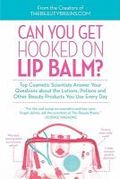
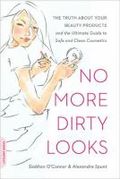
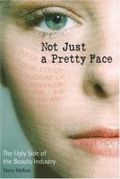
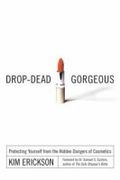
If you want more information about the toxins in cosmetics, here are some books from the library:
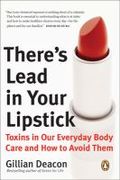
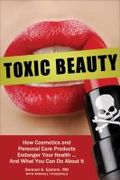
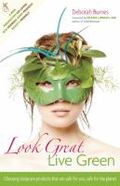
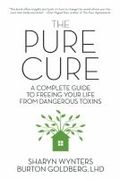
If you want to make your own cosmetics, there are books for that too:

There are also a number of resources online:
- Health Canada: Consumer Product Safety – Cosmetics and Personal Care
- Healthy Canadians: Cosmetics
- U.S. Food & Drug Administration: Cosmetics
- Environmental Working Group: Skin Deep Cosmetics Database
This was an eye opening experience for me. What will I do with my cosmetics? I probably will continue using the ones with low to moderate hazard, find safer options for my daily face and hand moisturizers and not use products unless it is necessary (e.g. I can probably do without eye shadow). But it seems like it is quite difficult to find products without any of these toxic ingredients. So, how toxic are your cosmetics?
5 thoughts on “How Toxic Are Your Cosmetics?”
Thanks for this post.
You’re welcome. I hope you enjoyed it!
Thanks for sharing this post. I love green beauty!
Lets go green beauty. I love natural beauty.
There is a time in our TV program that a lady was displayed with swollen lips because of a lipstick she had used. My worry is that even toothpaste has got toxins and soap etc. WE need to be careful and not to be carried away by beauty.