Healthy Cognitive Aging
As baby boomers approach old age, and as we’re living longer, topics like brain health and prevention of age-related cognitive decline are making headlines, but also a matter we come across in our personal lives. The brain is at the centre of everything we do, who we are, what we make of our lives, so of course we care, and of course we want to learn as much as we can.
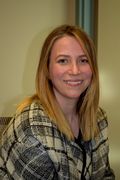
A great start would be to come to a talk at by Ryerson professor Dr. Alexandra Fiocco and PhD student Katie Peck. Fiocco will be talking about “the predictors and prevention of cognitive decline.” Peck, also from Ryerson, will be talking about her research into the effect of music on brain health.
 Please join us on Tues, June 16
  North York Central Library 5120 Yonge St.
2:00 to 3:00 pm
If you can’t make it to the talk, there are lots of other ways to pursue good practices, and to find out more about the brain’s many mysteries.
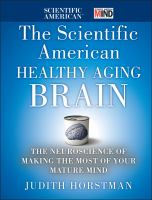
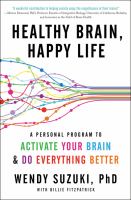
What are the day-to-day ways I can practice good brain health?




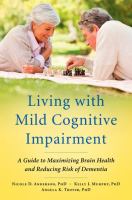
Are there organizations that can help me plan care for myself or for someone I love?
We are fortunate in this city to have lots of resources for research and for care of people with aging brains.
On May 22nd, Baycrest Health Sciences in North York announced $100 million in federal and provincial funding for a national brain research hub. Baycrest also has services for "geriatric residential living, healthcare, research, innovation and education, with a special focus on brain health and aging."
The Alzheimer's Organization of Canada has lots of resources for learning more about brain health and resources for finding help with care and planning. It also funds research.
The Alzheimer Society of Canada has "been dedicated to providing help for people with Alzheimer's disease and other dementias and their caregivers. That help comes in many ways."
The Canadian Home Care Association provides "an array of services for people of all ages, provided in the home and community setting, that encompasses health promotion and teaching, curative intervention, end-of-life care, rehabilitation, support and maintenance, social adaptation and integration and support for the family caregiver." Its membership includes public and private stakeholders.
How do I find out more about the human brain and its strange ways?


Comments