Computing Mutations
The Human Genome Project finished mapping the three billion-or-so chemical base pairs that make the how-to-build-a-human instructions code in 2003. It was a monumental step. But of course each human’s code is unique, and the difficulty of “reading” the genomic map means that in some sense this was just the beginning.
Fast forward to 2015, and to Brendan Frey of the Canadian Institute for Advanced Research at the University of Toronto. Frey has devised a method of identifying diseases such as cancer and neurological disorders such as autism by applying a computational approach. He and his research team use a computer tool that "scores how strongly genetic variants affect RNA splicing, a critical step in gene expression.” This technique requires an understanding of the biological processes involved with gene replication, but uses computer science to arrive at very accurate readings of the genome “book.” It is an exciting development that should revolutionize medicine.
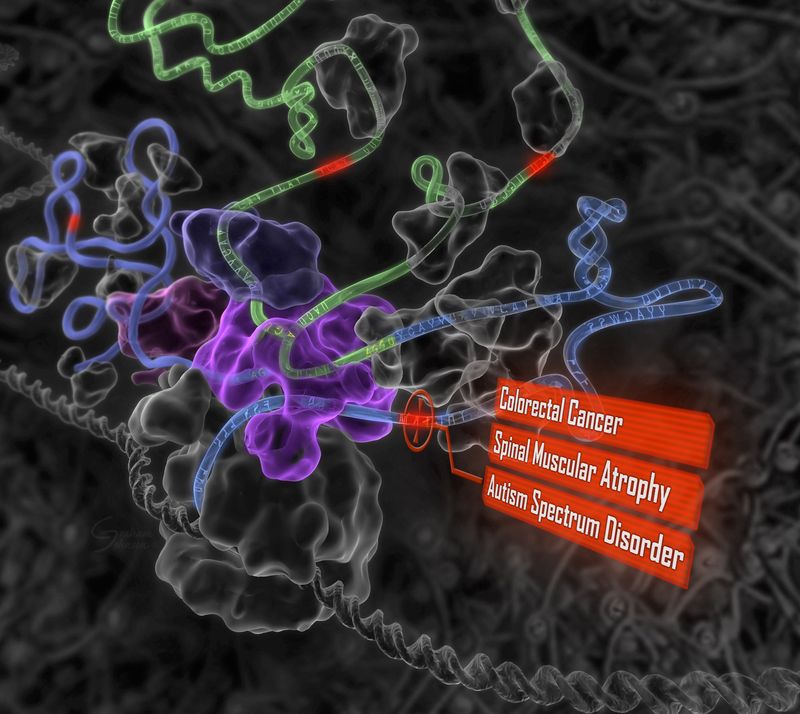
Among his many apparen't gifts – Frey has appointments in the departments of Electrical and Computer Engineering, the Banting and Best Department of Medical Research, and the Department of Computer Science at the University of Toronto. He is good at explaining things in ways the rest of us can understand. We hope you can come to hear him talk about his groundbreaking work.
How We Discovered a Hidden Genetic Code
Tues. Dec. 8, 2015
7:00-8:00 pm
Auditorium
5120 Yonge Street
Toronto M2N 5N9
*****
Science and Technology Dept.
416-395-5649
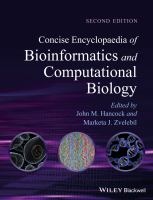
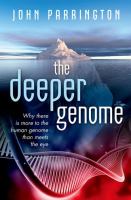
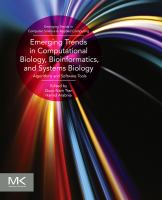
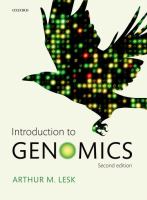
And if you can’t make his talk (or even if you can), check out some of these books on the impact of genetics and genomics.


Comments