Pet Therapy
Let's count the ways in which pets are good for us:
- they provide companionship
- they give purpose to our days
- they diagnose life-threatening illnesses
Come again?
It seems there may be some truth to stories about pets that sniff out tumors; there's enough anecdotal evidence that clinical trials are being conducted to test the ability of dogs to detect volatile cancer-related compounds. So when I saw Heal: the vital role of dogs in the search for cancer cures on a new book display recently, I was intrigued.
The author, science journalist Arlene Weintraub, spent two years researching the ways dogs are being used not only to detect human cancers but also to develop new therapies. Reading this fascinating book, I learned:
- researchers working with dogs that find can'tumors are hoping to identify exactly what they are detecting and develop a diagnostic tool with the same ability to identify cancers in early stages
- dogs are ideal subjects for cancer studies, and in the field of research known as comparative oncology veterinarians and oncologists are working to apply knowledge gained from studying cancers in pets to develop new tools and therapies that will benefit both animals and humans
Heal put me in mind of another book about dogs and cancer that I came across a couple of years ago. The author of Lucky Dog: how being a veterinarian saved my life is a veterinary surgical oncologist who tells the story of her diagnosis with thyroid cancer, and her treatment and recovery. I appreciated the way Sarah Boston conveys the warmth she feels for the animals in her care and her ability to find humour in her own journey as a patient. Comparing her experiences with those of her canine patients, she reaches conclusions about what our health care system could learn from the timely and compassionate care vets are able to provide to those pets whose owners are able to pay for it. In a 2014 Globe and Mail interview Sarah Boston discusses what we can learn from animal health care.
 |
 |
|
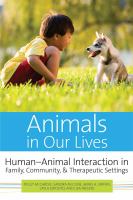
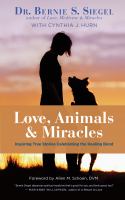
If you're interested in reading more about the ways in which pets can benefit human health:
 |
 |
 |
 |
6 thoughts on “Pet Therapy”
Great list. Also check out Teresa Rhnye’s book, “The dog lived (and so will I).” As a proud beagle owner, I have to tell you it will make you giggle and cry, sometimes all at the same time.
Lovely blog. Another author who never fails to write sensitively and practically about animals is Jon Katz. His book The New Work of Dogs is very thought-provoking.
Thank you, everyone, for these titles. I look forward to reading them.
I have seen many clients and patients enthusiastically respond to pet therapy. While dogs and cats are common pet therapy animals, people seem to be just as excited to see rabbits and guinea pigs. The guinea pigs were popular on a dementia care unit where many residents had fond childhood memories of owning guinea pigs.
As for putting a pet through cancer treatment, personally, I couldn’t do it when a veterinarian suggested it for a dearly loved pet. I had seen too many family members and patients suffer the misery and agony of chemo and radiation, and I didn’t want to put an animal through it.
It’s fascinating that dogs are being used to sniff out different types of cancers in humans. That’s so less invasive than many of the current diagnostic methods for detecting cancer. Maybe humans are not the more intelligent species. 🙂
Thanks for your suggestion Heather. I’m looking forward to reading Rhnye’s book.
Thanks Denise. I second your recommendation of Jon Katz’ books. I’ve enjoyed them.
Thank you for your thoughtful comments, and for your insight into the value of pet therapy.