How Memory Changes with Age
My grandma often opens a kitchen cupboard and stares at it. “What did I need?” she would mumble. Sometimes she would tell us a story, not remembering she had already told us it. According to the Alzheimer Society of Canada, 40% of people over the age of 65 experience some form of memory loss. It is an “age-associated memory impairment,” which is a normal part of aging.
As we age, our brains slowly decline in volume and blood flow to the brain also decreases. However, studies have shown that the brain is capable of regrowth and learning. Here are some helpful tips from the American Psychological Association on how to minimize age-related changes and improve memory function:
- Participate in social and community activities
- Physical activities and exercise
- Train your brain
- Have positive beliefs about aging
- Avoid distractions
If you or a loved one is experiencing age-related memory difficulties, the Alzheimer Society of Canada offers some tips on how to cope:
- Keep a routine
- Organize information
- Put items in the same spot
- Repeat information
- Make associations
- Involve your senses
- Teach others or tell them stories
- Get a full night’s sleep
To learn more about memory and aging, join us at the North York Central Library for a talk by Dr. Shayna Rosenbaum, Associate Professor in the Departments of Psychology and Biology, and Centre for Vision Research, York University. She will discuss the latest research on age-related changes to memory and brain function.
————————————————
What: How Memory Changes with Age
When: Wednesday, June 15, 2016 (7 – 8 PM)
Where: North York Central Library, in the Auditorium
For more information: Call the Business, Science & Technology Department at (416) 395-5613
————————————————
For more information about memory and aging, here are some books:
Here are some books about improving your memory as you age:
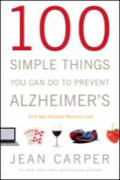
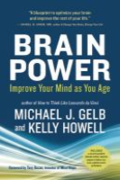
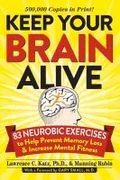
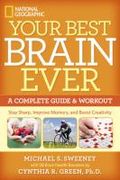
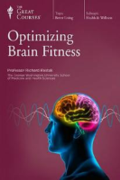
There are also DVDs on how to keep your brain fit:



Comments