Bending Minds: The Architecture of Frank Gehry
Please join us at North York Central Library on Thursday, September 29, for a talk on world renowned architect Frank Gehry. The talk begins at 7:00 p.m. and will be given by Larry Wayne Richards, Professor Emeritus and former Dean of the John H. Daniels Faculty of Architecture, Landscape, and Design, University of Toronto.
Frank Gehry's roots are in Toronto. He was born here in 1929, and spent his formative years in Toronto's Jewish ghetto, before his family immigrated to Los Angeles in 1947. His grandmother bought fish for the Sabbath meal at Kensington Market. He played in Grange Park, not far from the Art Gallery of Ontario, which he would one day transform. He developed a love of working with his hands helping out in his grandfather's hardware store on Queen Street West, laying a foundation for his future: "That nurtured it: learning to work with pipe, to cut pipe, put the threads on it, to cut glass…I used to love opening those boxes of bolts and looking at them, and making stuff with them." (Frank Gehry: Toronto). The little boy who created cities out of scraps of wood grew up to design bold, unconventional, buildings that got people talking about architecture in a way they hadn't for many years. Gehry was never interested in making more of the ubiquitous concrete boxes that dominate modern city sky lines. This statement by Gehry gets to the heart of his work: "I approach each building as a sculptural object." (Contemporary Architects).
Gehry's audacious architectural designs are characterized by free flowing, sensuous curves, undulating lines, swooping sheets of metal that billow like sails on a boat. In an essay written to celebrate Gehry's winning the prestigous Pritzker Architecture Prize, Ada Louise Huxtable wrote, "Delight breaks through constantly; there are no gloomy Gehry buildings. One cannot think of anything he has done that doesn’t make one smile."
Take a look at these innovative buildings, designed by Gehry:
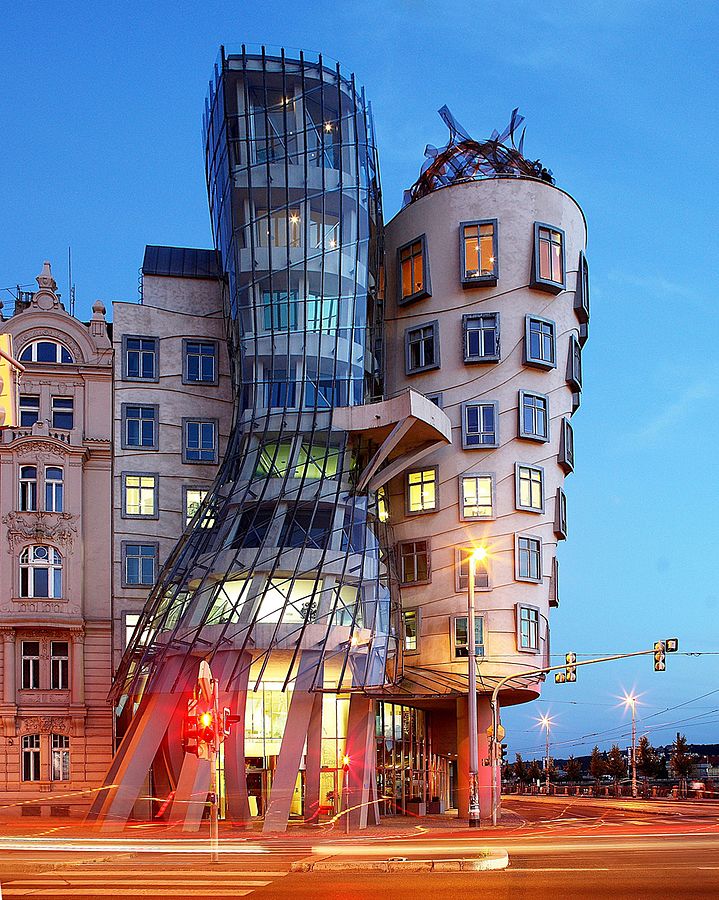
Nationale-Nederlanden building, Prague. (Architects: Vlado Milunić and Frank Gehry)
Photo by Dino Quinzani, Wikimedia Commons
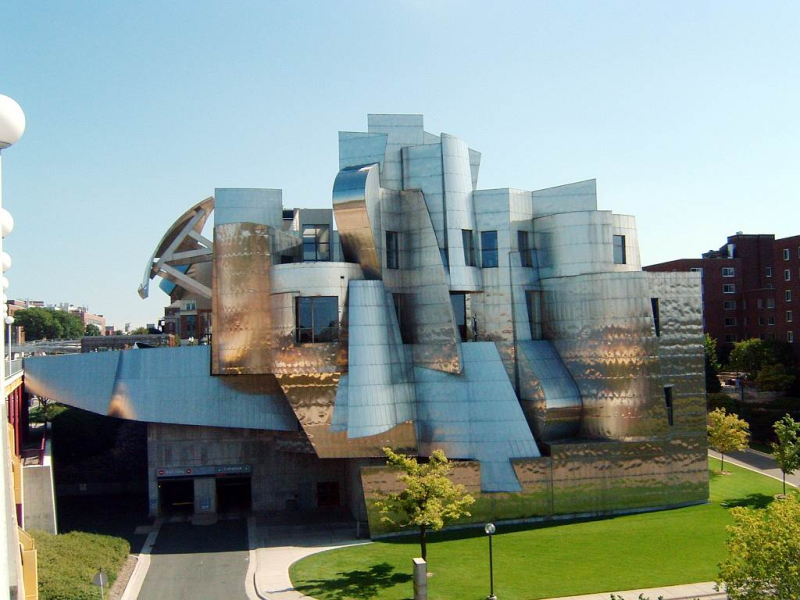
Frederick Weisman Museum of Art, Minneapolis, Minnesota
Photo by Mulad, Wikimedia Commons

Lou Ruvo Center for Brain Health, Las Vegas
Photo by Cygnusloop99, Wikimedia Commons
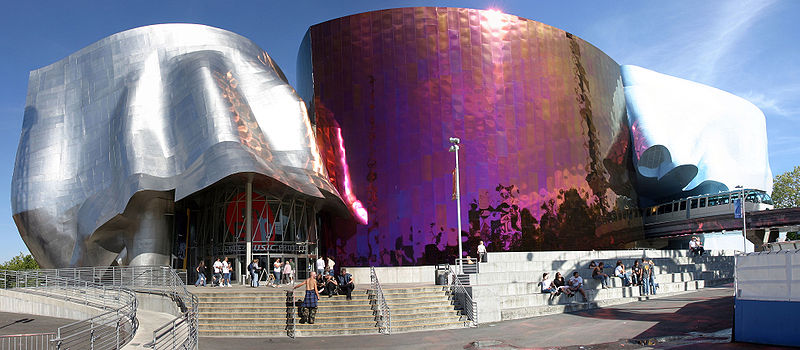
Experience Music Project, Seattle, Washington
Photo by Cacophony, Wikimedia Common
Gehry's design for the EMP museum (which celebrates pop culture) was inspired by shattered electric guitars. Gehry bought some electric guitars, cut them up, and used the pieces to create an early model of the museum.

Guggenheim Museum, Bilbao, Spain
Photo by MykReeve, Wikimedia Commons
Renowned architect Philip Johnson traveled to Spain in 1998 at the age of 91 to see the Guggenheim Museum in Bilbao, just after it was finished. It brought him to tears. He later pronounced it to be "the greatest building of our time." Paul Goldberger, author of Why architecture matters, said the building was "truly a signal moment in the architectural culture." Here's a detail of the Guggenheim Museum:
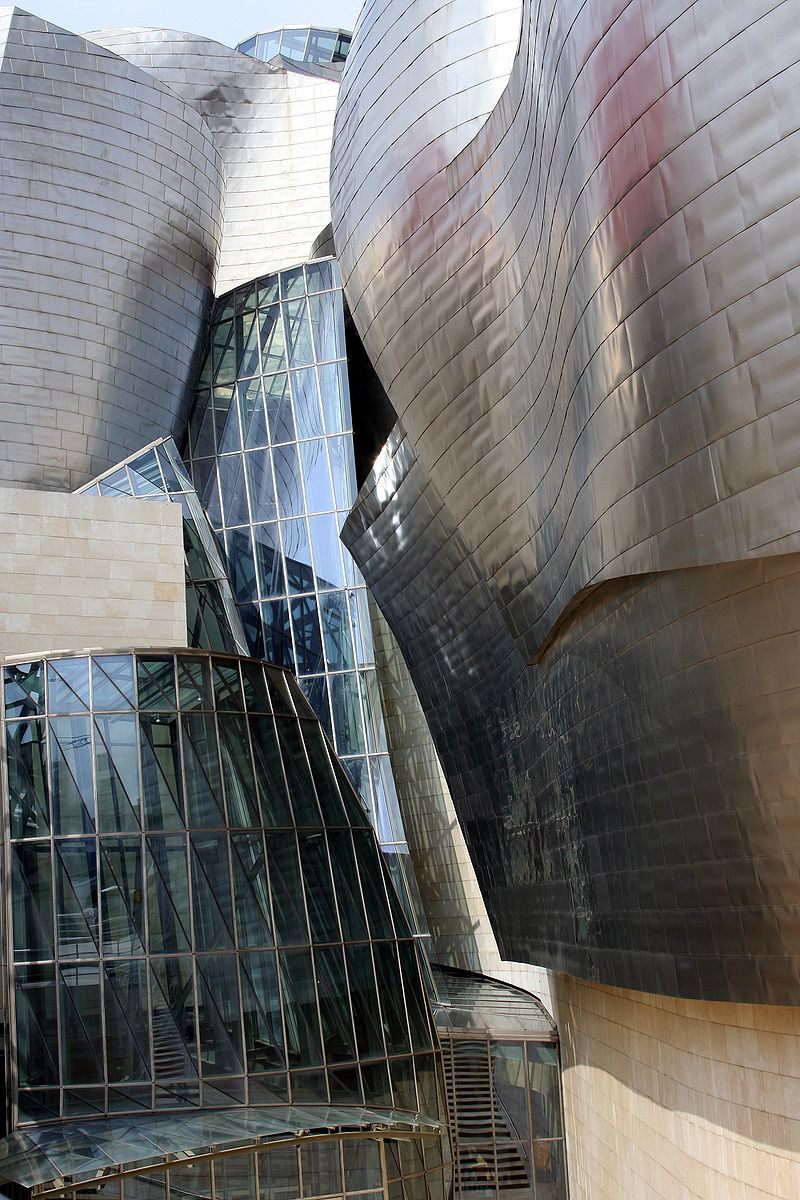
Photo by E. Goergen, Wikimedia Commons
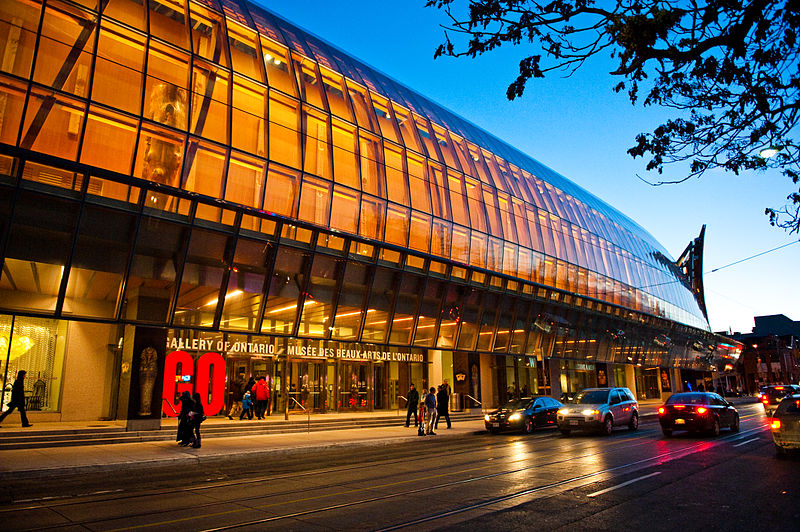
Art Gallery of Ontario after Frank Gehry's redesign
Photo: John Joh, Wikimedia Commons
Pick up a MAP pass to see Frank Gehry's stunning redesign of the Art Gallery of Ontario from the inside. With a valid adult Toronto Public Library card, you can get a pass to visit the Art Gallery of Ontario for free from any library branch. The Sun Life Financial Museum + Arts Pass (MAP) lets you and your family explore the best of Toronto's arts and cultural treasures for free. Call your local branch for more details about how to get a pass.
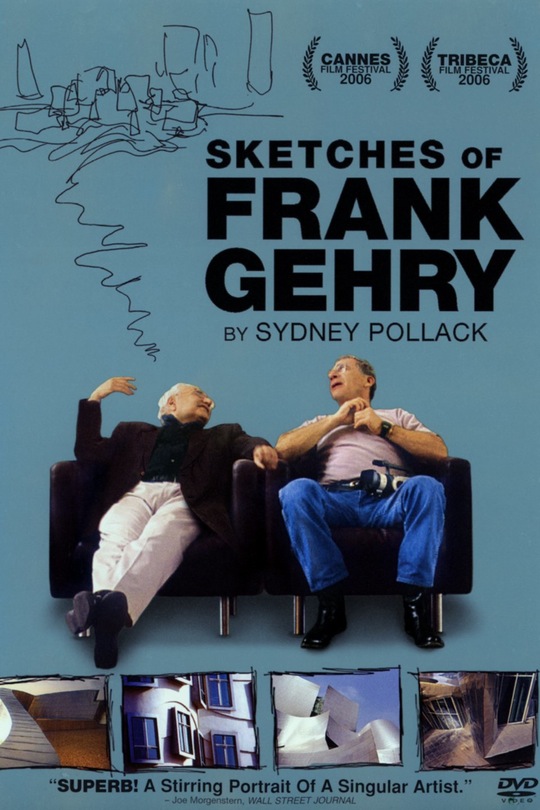
The library has copies of Sketches of Frank Gehry, a documentary about the architect directed by his longtime friend, Sydney Pollock:
 |
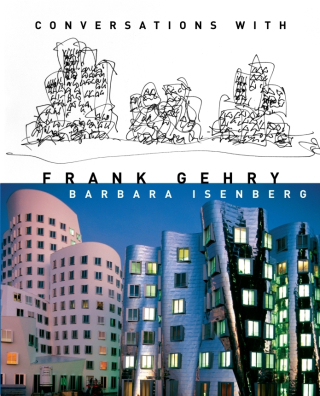
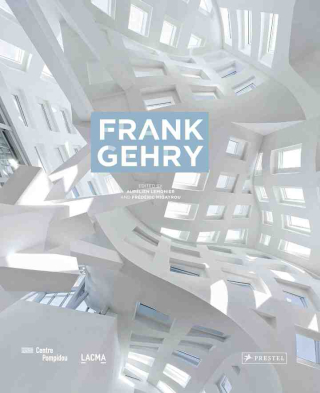
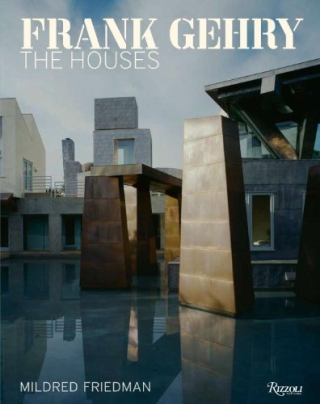
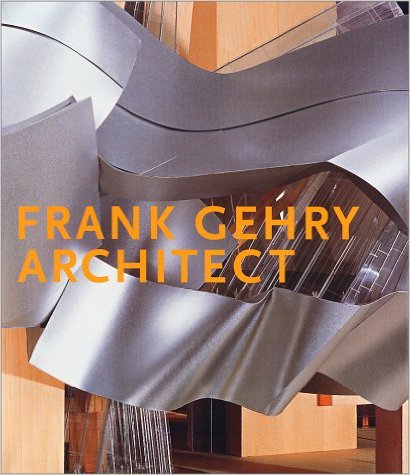
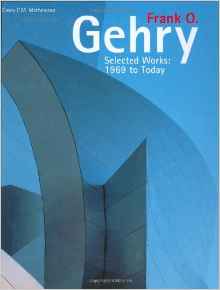
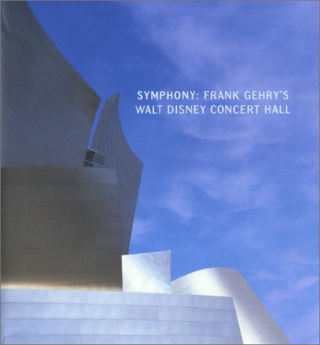
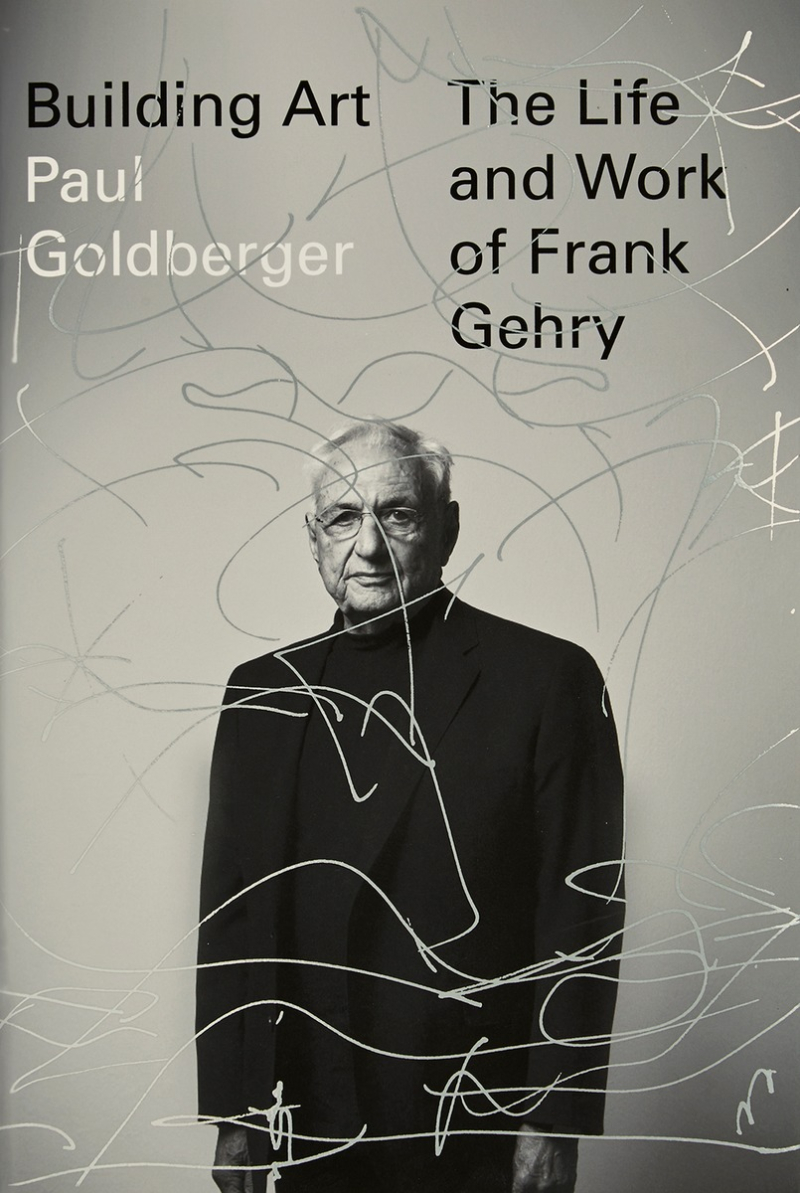
Here are some books you can borrow on Frank Gehry:
 |
 |
 |
 |
 |
 |
 |
4 thoughts on “Bending Minds: The Architecture of Frank Gehry”
Thank you so much, Maureen, for such a fascinating blog about such a fascinating Canadian architect. I always enjoy the Frank Gehry parts of the Art Gallery of Ontario, and they are never gloomy, even on a rainy day! The Experience Music Project museum in Seattle looks so beautiful, and how interesting that it is based on electric guitars.
According to the museum’s website, Gehry was trying to evoke the Rock & Roll experience. (EMP has it’s roots in Rock & Roll, although now it includes pop culture in general.) I really admire Gehry’s originality. Thanks for commenting.
I’ve never seen so many of his buildings brought together visually in the way you have–so fresh to see them this way. And your writing is terrific! Thank you!
Thanks for your kind comment, Kim. Full disclosure: I didn’t know much about Gehry before writing the post. After doing some research on him, I became an admirer. The more creativity and innovation in architecture, the better!