Japanese Canadians After the Internment
On Tuesday, November 5, Ryerson sociology professor Pamela Sugiman will explore the post-war history of
Japanese Canadians who had been interned during World War II. And Life Goes On: Japanese Canadians, Memory and Life after Internment, Ryerson The talk takes place at the Lillian H. Smith, 6:30 pm (239 College St, 416-393-7746).
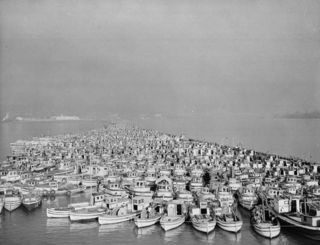
In World War II, some 23,000 Japanese Canadians were uprooted from
their homes, mostly in Vancouver and the British Columbia Lower
Mainland, and shipped to internment, prisoner-of-war or labour camps.
Some were in the interior of B.C., others in Alberta and even Ontario.
Amid a racist hysteria, these people–most of them second and third
generation Canadians–also had their property taken from them. In the
largest mass uprooting and internment of a people in Canadian history,
the Japanese Canadians lost their houses, farms, fishing boats, cars and
much else–most were able to keep only what they could carry with them.
After the war, the Canadian government offered a "choice": either
deportation to war-devasted Japan or forced removal east of the Rockies.
A few thousand did go to Japan, but most chose the latter.
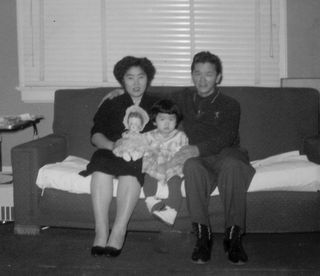
Professor Sugiman, who has done a great deal of research into this
history, asks: How was it that in these new places of residence, the
Issei (first-generation) and Nisei (second-generation) seemed to
disappear? What
happened to Japanese Canadians and their community after the war? How
did they cope in the face of post-war racial hostilities? What of those
who went to Japan, a foreign country for many? How did they rebuild
their lives after much of what
had been meaningful in life was abruptly taken away? How, in short, how
did life go on?
In her talk, Dr. Sugiman will draw on oral history interviews with 75 Nisei
women and men who currently reside in Toronto, Montreal, Winnipeg, and various parts of British
Columbia.
If you wish to read more, you will find many books and articles in
the collctions of Toronto Public Library. The subject heading is: Japanese Canadians–Evacuation and relocation, 1942-1945–Personal narratives.
I'll highlight a couple here.
Obasan by Joy Kogawa
The Enemy that Never Was: a History of the Japanese Canadians by Ken Adachi
Comments